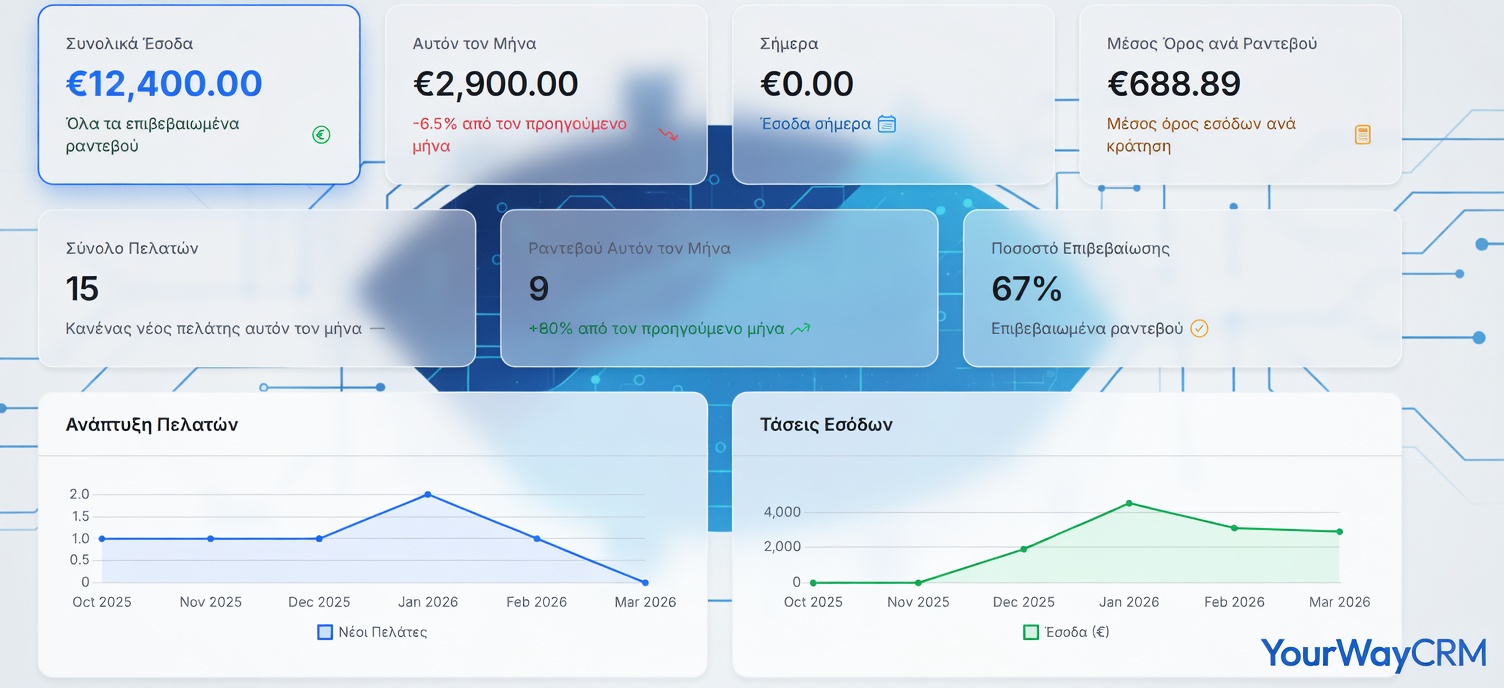
Using CRM Data for Targeted Marketing Campaigns
In today's competitive business landscape, generic marketing campaigns simply don't cut it anymore. Small business owners need to be smarter about how they reach their customers. The secret? Leveraging the goldmine of data sitting right in your CRM system.
Customer relationship management platforms store invaluable information about your clients—their purchase history, preferences, communication patterns, and more. When used strategically, this data becomes the foundation for highly targeted marketing campaigns that deliver real results. Let's explore how you can transform your CRM data into a powerful marketing asset.
Why CRM Data Matters for Marketing
Most small businesses struggle with marketing efficiency. You're trying to reach the right people with the right message at the right time, but without proper data organization, you're essentially shooting in the dark. This is where CRM data changes everything.
Your CRM system provides a complete view of each customer's journey with your business. This includes:
- Purchase history and transaction values
- Customer lifecycle stage (prospect, customer, loyal advocate)
- Communication preferences and contact history
- Geographic location and demographics
- Engagement patterns and website behavior
- Support tickets and customer satisfaction scores
With this information at your fingertips, you can create marketing campaigns that speak directly to your customers' needs and interests, rather than broadcasting a one-size-fits-all message to everyone.
Segmentation: The Foundation of Targeted Marketing
The first step in using CRM data effectively is segmentation. This means dividing your customer base into smaller groups based on shared characteristics or behaviors.
Effective segmentation strategies include:
- Purchase-based segmentation: Group customers by what they've bought, spending level, or purchase frequency. High-value customers might receive exclusive offers or VIP treatment.
- Demographic segmentation: Organize by age, location, industry, or company size. This helps tailor messaging and product recommendations.
- Behavioral segmentation: Segment based on how customers interact with your business—website visits, email opens, event attendance.
- Lifecycle segmentation: Create different campaigns for new customers, repeat buyers, and at-risk customers who haven't purchased recently.
- Interest-based segmentation: Use CRM data to identify customers interested in specific products, services, or content topics.
Tools like YourWayCRM make segmentation simple by automatically organizing your customer data and allowing you to create custom segments based on any criteria you choose. This means less time manually organizing data and more time executing strategic campaigns.
Personalization Strategies That Work
Once you've segmented your audience, personalization is where the real magic happens. Customers expect brands to understand their needs and preferences, and personalized marketing significantly outperforms generic campaigns.
Here are practical personalization tactics:
- Personalized email campaigns: Use customer names, reference their purchase history, and recommend products based on previous behavior. A customer who bought running shoes is more likely to engage with athletic gear recommendations than someone who bought formal wear.
- Dynamic content: Show different website content or offers based on visitor segments. Returning customers might see loyalty rewards, while new visitors see introductory offers.
- Timing-based campaigns: Send messages when customers are most likely to engage. If your CRM shows a customer typically opens emails on Tuesday mornings, schedule your campaign accordingly.
- Lifecycle-triggered campaigns: Automatically send welcome sequences to new customers, re-engagement campaigns to inactive customers, and win-back offers to lost customers.
- Relevant product recommendations: Use purchase history and browsing behavior to suggest products customers are actually interested in.
Measuring Campaign Performance with CRM Data
Data-driven marketing isn't just about execution—it's about measurement and optimization. Your CRM system should track how each campaign performs with different segments.
Key metrics to monitor include:
- Open rates and click-through rates by segment
- Conversion rates for each targeted campaign
- Customer acquisition cost (CAC) by marketing channel
- Return on marketing investment (ROMI)
- Customer lifetime value (CLV) by acquisition source
By analyzing these metrics, you can identify which segments respond best to specific messages and channels, then double down on what works. This continuous optimization cycle means your marketing gets smarter and more efficient over time.
Practical Implementation Tips
Ready to start using your CRM data for targeted marketing? Here are actionable steps:
- Audit your data quality: Ensure your CRM data is accurate and up-to-date. Incomplete or outdated information leads to poor targeting decisions.
- Start simple: Begin with one or two basic segments and campaigns rather than trying to do everything at once.
- Integrate your tools: Connect your CRM with your email marketing platform and other marketing tools to streamline execution.
- Test and learn: Run A/B tests on different messages, offers, and send times to discover what resonates with each segment.
- Respect privacy: Always comply with data protection regulations and give customers control over how their data is used.
Conclusion
The data you're already collecting in your CRM system is a competitive advantage waiting to be unlocked. By segmenting your audience, personalizing your messaging, and continuously measuring results, you can create targeted marketing campaigns that drive real business growth.
Small businesses that master CRM-driven marketing gain a significant edge over competitors still relying on generic, one-size-fits-all approaches. Whether you're using YourWayCRM or another platform, the principles remain the same: know your customers, speak to their specific needs, and let data guide your decisions.
Start today by reviewing your CRM data and identifying your first segmentation opportunity. Your more targeted, more effective marketing campaigns await.