CRM and Email Marketing: A Powerful Duo
In today's competitive business landscape, small business owners need every advantage to stay ahead. Two of the most powerful tools at your disposal are Customer Relationship Management (CRM) systems and email marketing platforms. When used together strategically, they create a synergy that drives customer engagement, boosts sales, and builds lasting relationships.
But how exactly do these two tools work together? And more importantly, how can you leverage them to grow your business? Let's explore the powerful connection between CRM and email marketing.
Understanding the CRM and Email Marketing Connection
A CRM system is your central hub for managing all customer interactions, data, and relationships. It tracks every touchpoint—from initial contact through purchase and beyond. Email marketing, on the other hand, is a direct communication channel that reaches customers in their inbox.
When integrated, your CRM becomes the brain behind your email marketing efforts. It provides the data, insights, and segmentation capabilities that make your email campaigns more targeted, personalized, and effective. Think of your CRM as the intelligence center and email marketing as the execution tool.
Key Benefits of Combining CRM and Email Marketing
1. Personalized Customer Communications
Your CRM stores detailed information about each customer—their purchase history, preferences, behavior patterns, and engagement level. This data allows you to create highly personalized email campaigns that speak directly to each customer's needs and interests. Instead of generic mass emails, you're sending targeted messages that resonate with individual recipients, leading to higher open rates and conversions.
2. Better Segmentation and Targeting
With CRM data, you can segment your email list into specific groups based on various criteria: purchase history, industry, location, engagement level, or lifecycle stage. This enables you to send the right message to the right person at the right time. A new customer receives different emails than a loyal repeat buyer, resulting in more relevant communications and improved customer satisfaction.
2. Improved Lead Nurturing
Your CRM tracks where each lead is in the sales funnel. Email marketing can then deliver targeted messages based on that stage. A prospect who just downloaded your guide receives different content than one who's already had a sales call. This automated nurturing keeps leads warm and moves them closer to conversion without manual effort.
3. Automated Workflows and Efficiency
Integration between CRM and email marketing enables automated workflows. When a new contact is added to your CRM, a welcome email series automatically triggers. When a customer makes a purchase, a thank-you email and follow-up sequence begins. These automations save time while ensuring no customer falls through the cracks.
4. Data-Driven Decision Making
Your CRM captures email engagement metrics—opens, clicks, and conversions. This data helps you understand what resonates with your audience. You can analyze which email campaigns drive the most sales, which segments engage most actively, and which messages convert best. These insights inform your overall marketing strategy and help you continuously improve results.
5. Complete Customer View
When CRM and email marketing are integrated, you gain a complete picture of each customer. You see their email interactions alongside their purchase history, support tickets, and communication preferences. This 360-degree view enables your team to provide better service and more relevant communications.
Practical Implementation Strategies
Sync Your Contact Lists
Ensure your email marketing platform is fully integrated with your CRM. When new contacts are added to your CRM, they should automatically appear in your email platform with all relevant information. This eliminates manual data entry and keeps everything synchronized.
Create Segmented Email Campaigns
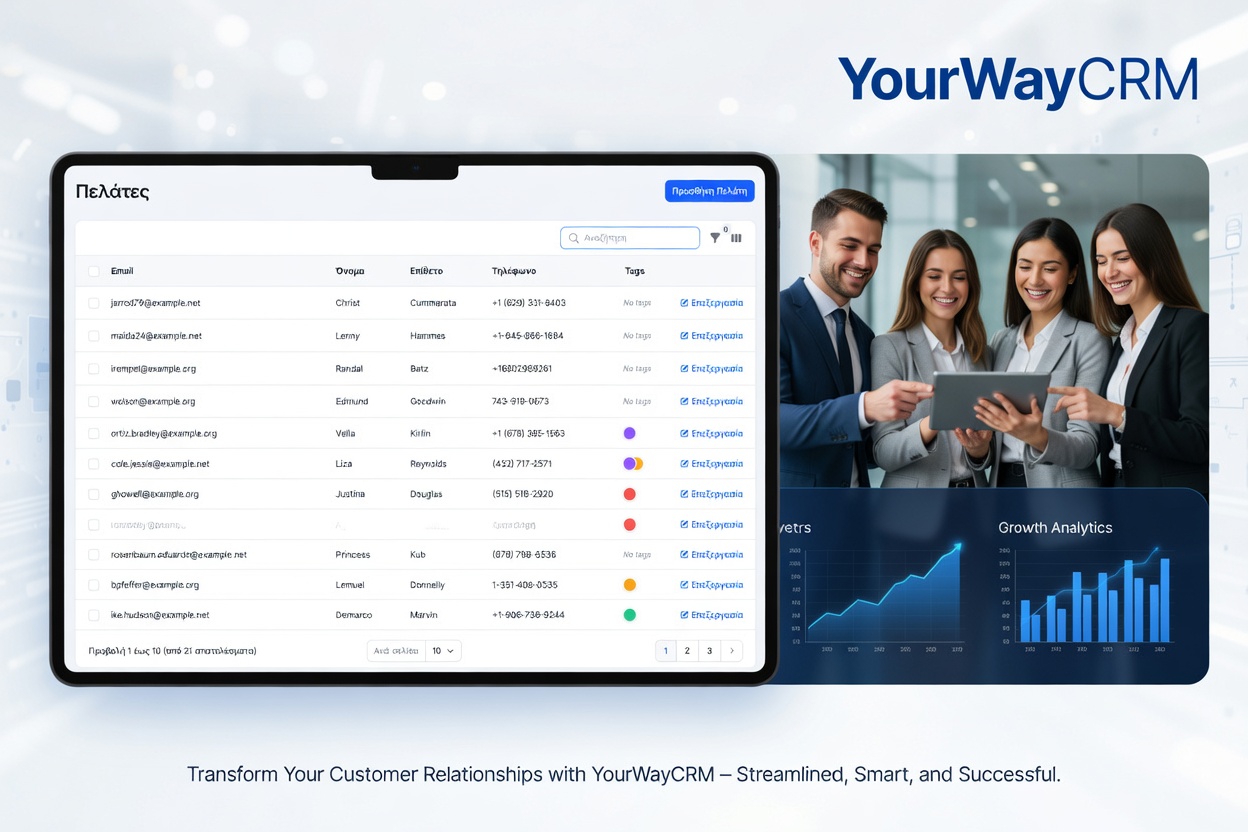
Use CRM data to create targeted email segments. For example, send a special offer to customers who haven't purchased in six months, or a product recommendation based on past purchases. YourWayCRM makes this easy by allowing you to tag and segment contacts based on any criteria you define.
Implement Automated Workflows
Set up automated email sequences triggered by CRM events. When a lead reaches a certain score, an email notifies your sales team. When a customer completes a purchase, an automated follow-up series begins. These workflows nurture relationships automatically.
Track Email Performance in Your CRM
Log email interactions in your CRM. Track which customers opened your emails, clicked links, and converted. This information becomes part of their customer record, informing future communications and helping your team understand engagement levels.
Personalize Subject Lines and Content
Use customer data from your CRM to personalize emails beyond just the name. Reference their industry, previous purchases, or specific pain points. Personalized emails have significantly higher open and click-through rates than generic messages.
Measuring Success
The integration of CRM and email marketing provides valuable metrics to track:
- Email Open Rates: How many recipients opened your emails
- Click-Through Rates: How many clicked links within your emails
- Conversion Rates: How many email recipients became customers
- Customer Lifetime Value: Revenue generated from email-acquired customers
- Engagement Scores: Overall engagement level of each contact
- ROI: Return on investment from email marketing efforts
Monitor these metrics regularly and adjust your strategies based on what's working. Your CRM should provide dashboards and reports that make this analysis easy.
Getting Started with Your Integration
If you're using YourWayCRM, you can integrate it with your email marketing platform to unlock these benefits. Start by ensuring all customer data is clean and properly organized in your CRM. Then, set up basic automated workflows and segments. As you become more comfortable with the integration, expand to more sophisticated campaigns and personalization strategies.
The combination of CRM and email marketing is not just about sending more emails—it's about sending smarter, more relevant communications that build stronger customer relationships and drive real business results.
Conclusion
CRM and email marketing are more powerful together than apart. By integrating these tools, small business owners can create personalized customer experiences, automate routine tasks, and make data-driven decisions that accelerate growth. The key is to view them as complementary systems that work in harmony, with your CRM providing the intelligence and email marketing delivering the message.
Start leveraging this powerful combination today, and watch your customer engagement and sales soar.