How CRM Integrates with Your Existing Sales Process
Your sales process is the backbone of your business, and adding the right tools can make all the difference in your team's productivity and success. One of the most powerful ways to optimize your sales operations is through CRM integration. But what does this really mean for your small business, and how can you make it work for you?
A Customer Relationship Management (CRM) system isn't just another tool to add to your stack—it's a central hub designed to work seamlessly with the systems you already use. When properly integrated, a CRM becomes the glue that holds your entire sales operation together, eliminating manual data entry, reducing errors, and giving your team more time to focus on what matters most: selling.
Understanding CRM Integration in Your Sales Workflow
CRM integration means connecting your customer relationship management platform with other business tools and software you rely on daily. This could include email platforms, accounting software, marketing automation tools, communication apps, or project management systems. The goal is to create a unified ecosystem where information flows automatically between platforms without manual intervention.
For small business owners, this integration is crucial because it removes friction from your sales process. Instead of logging into multiple platforms, copying data between systems, and hoping nothing gets lost in translation, your team works in one centralized location where all customer information stays synchronized in real-time.
Key Benefits of CRM Integration
Eliminate Data Silos
One of the biggest challenges small businesses face is information scattered across different platforms. Your sales team might track leads in one system, while customer communications live in email and your accounting data sits in another tool. This fragmentation creates confusion and missed opportunities.
When you integrate your CRM with existing tools, all customer data flows into one unified database. Your team sees a complete picture of every customer interaction, purchase history, and communication—all in one place. This means no more hunting through multiple systems to find important information.
Improve Data Accuracy
Manual data entry is one of the biggest sources of errors in sales operations. Every time information is transferred between systems, there's a risk of typos, duplicates, or outdated records. CRM integration automates this process, ensuring data is accurate and always up-to-date across all platforms.
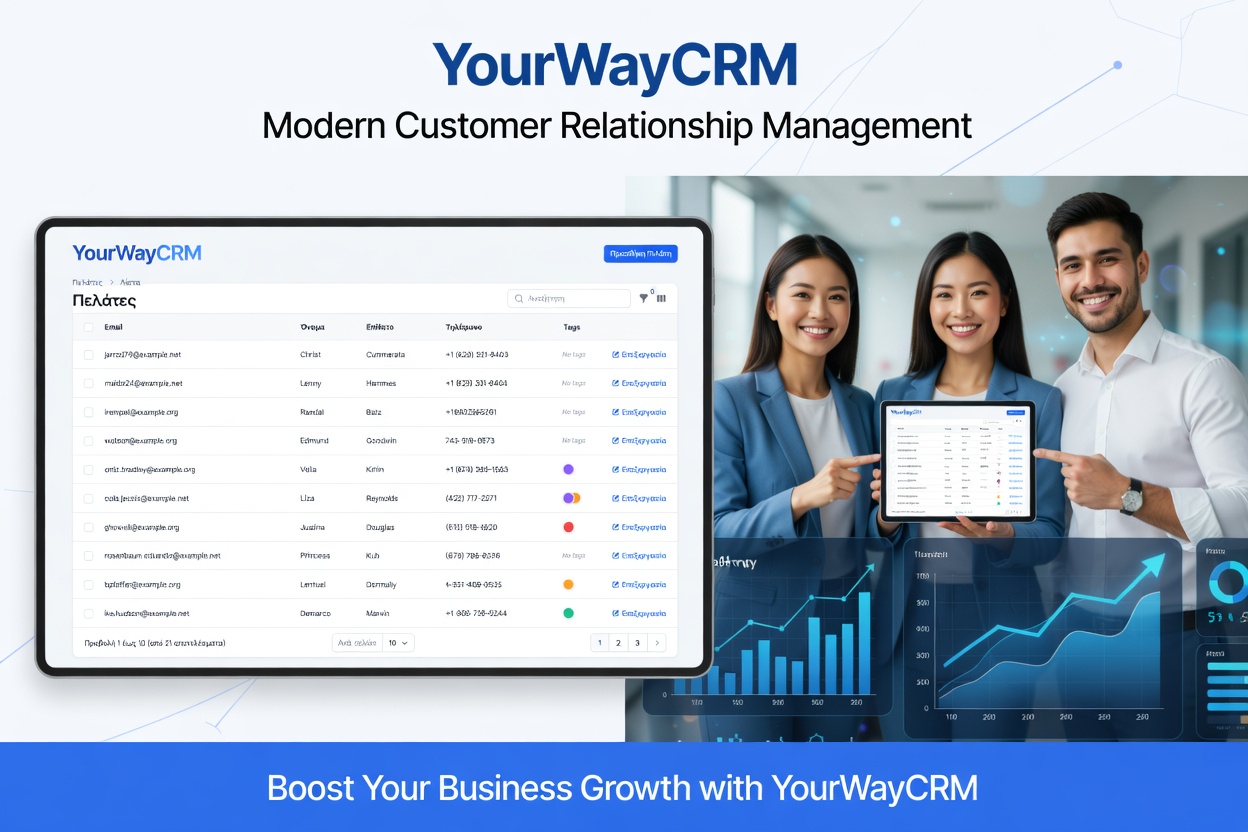
With YourWayCRM, for example, you can automatically sync customer information, ensuring your sales team always works with the most current data. This accuracy translates directly to better customer relationships and more successful sales conversations.
Save Time and Boost Productivity
Time is your most valuable resource as a small business owner. CRM integration reclaims hours that would otherwise be spent on administrative tasks. Your sales team spends less time on data entry and more time building relationships and closing deals.
Automated workflows can trigger follow-up tasks, send reminders, and update records without any manual effort. This means your team stays organized and focused on high-value activities that directly impact revenue.
Enable Better Decision-Making
When all your sales data is integrated and organized in one place, you gain powerful insights into your sales process. You can track which strategies work, identify bottlenecks, and see exactly where deals are in your pipeline. This visibility allows you to make data-driven decisions that improve your sales results.
Common Integration Points for Sales
Here are the most important systems small businesses typically integrate with their CRM:
- Email Platforms: Automatically log emails and attachments to customer records, ensuring nothing gets lost and your team has complete communication history.
- Calendar Systems: Sync meetings and appointments so your team never misses a follow-up or scheduled call.
- Accounting Software: Link invoices, payments, and financial data to customer records for a complete business view.
- Marketing Tools: Connect email marketing, landing pages, and lead generation platforms to automatically capture and qualify leads.
- Communication Apps: Integrate messaging, video conferencing, and collaboration tools so all customer interactions are tracked in one place.
- E-commerce Platforms: Link online sales, customer orders, and inventory data directly to your CRM.
Implementing CRM Integration Successfully
Start by identifying which systems your team uses most frequently. These are your priority integration points. Next, look for a CRM that offers native integrations or API connections with these platforms. Many modern CRMs, including YourWayCRM, are designed with integration in mind and offer simple setup processes that don't require technical expertise.
Begin with your most critical integration—typically email or calendar sync—and expand from there. This phased approach allows your team to adjust gradually while you validate the benefits before adding more complexity.
Make sure your team understands how the integrations work and what data flows between systems. Clear communication and proper training ensure your team uses the CRM effectively and maintains data quality.
The Bottom Line
CRM integration transforms your sales process from a collection of disconnected tools into a streamlined, efficient operation. By connecting your CRM with existing systems, you eliminate data silos, improve accuracy, save time, and gain the insights you need to grow your business.
For small business owners looking to scale without adding headcount, CRM integration is one of the smartest investments you can make. It's not about adding more tools—it's about making the tools you already use work together smarter, faster, and more effectively.