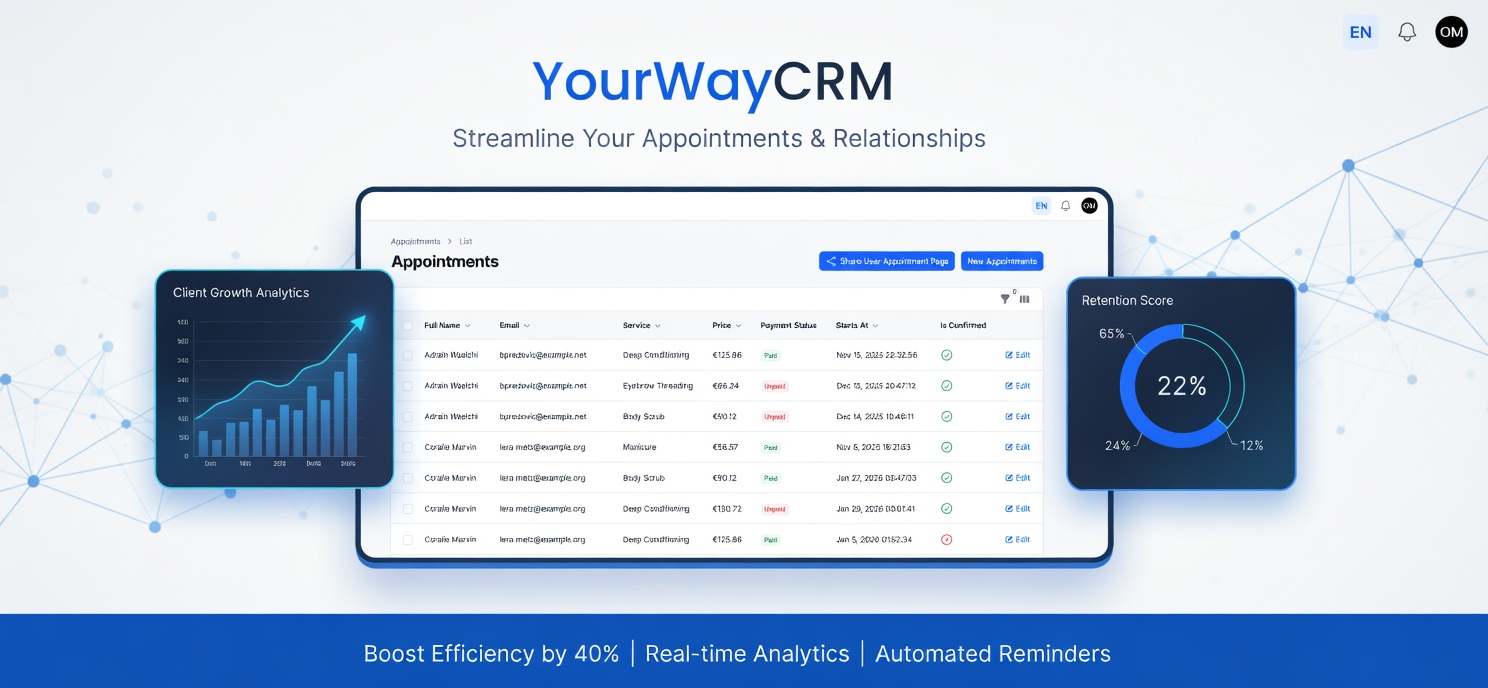
CRM Segmentation Powers Targeted Campaigns
One-size-fits-all marketing is dead. Today's small business owners understand that customers have different needs, preferences, and buying behaviors. The key to standing out in a crowded marketplace is delivering the right message to the right person at the right time. This is where CRM segmentation becomes your secret weapon.
CRM segmentation allows you to divide your customer base into distinct groups based on shared characteristics, behaviors, or preferences. When done right, it transforms your marketing efforts from scattered shots in the dark into laser-focused campaigns that resonate with your audience and drive real results.
What Is CRM Segmentation?
CRM segmentation is the practice of organizing your contacts and customers into meaningful groups within your customer relationship management system. Rather than treating all customers the same, you categorize them based on criteria that matter to your business.
Common segmentation criteria include:
- Demographics (age, location, company size)
- Purchase history and spending patterns
- Engagement level and interaction frequency
- Product or service preferences
- Customer lifecycle stage (prospect, customer, loyal advocate)
- Industry or vertical market
- Website behavior and browsing patterns
The more granular your segments, the more personalized your messaging can become. Tools like YourWayCRM make this process straightforward by allowing you to create custom fields and filters that segment your audience automatically.
Why Segmentation Matters for Your Campaigns
Targeted campaigns built on solid segmentation deliver measurable benefits for small businesses. When you send relevant content to the right segment, you'll notice immediate improvements in your marketing performance.
First, segmentation increases engagement rates. Customers who receive messages tailored to their needs are far more likely to open emails, click links, and take action. A generic promotional email might get a 2% open rate, while a highly targeted message addressing a specific customer segment's pain points can achieve 30% or higher.
Second, segmentation improves conversion rates. When your message aligns with a customer's current needs or interests, they're more likely to purchase. Someone in the "ready to buy" segment responds differently than someone in the "awareness" stage. By tailoring your approach to each group, you'll see your conversion metrics climb.
Third, segmentation builds customer loyalty. Personalized communication makes customers feel understood and valued. When you consistently deliver relevant content and offers, you strengthen relationships and encourage repeat business.
Creating Effective Segments in Your CRM
Building useful segments starts with understanding your business goals and customer data. Here's how to get started:
Step 1: Define Your Segmentation Strategy
Ask yourself: What are the key differences among my customers? What characteristics would help me market to them more effectively? Are you trying to increase sales, improve retention, or expand into new markets? Your goals shape how you segment.
Step 2: Collect Quality Data
Segmentation is only as good as your data. Ensure your CRM contains accurate, up-to-date information about your customers. Track interactions, purchases, preferences, and behaviors consistently. With YourWayCRM, you can organize all this data in one place and use it to build intelligent segments.
Step 3: Start Simple, Then Refine
Don't overcomplicate things initially. Begin with basic segments like "high-value customers," "inactive customers," or "new prospects." Once you see what works, you can create more sophisticated segments that combine multiple criteria.
Step 4: Test and Measure
Run campaigns to each segment and track the results. Which segments respond best to which messages? Use these insights to refine your approach. A/B testing different messages for the same segment helps you discover what resonates most.
Segmentation Strategies That Drive Results
Different segments require different approaches. Here are proven strategies:
High-Value Customers: Treat these loyalists like VIPs. Send them exclusive offers, early access to new products, and personalized communication. They're your profit drivers—invest in keeping them happy.
At-Risk Customers: Identify customers who haven't engaged in months. Create win-back campaigns with special incentives or requests for feedback. Sometimes a simple "we miss you" message works wonders.
New Customers: Nurture these relationships with onboarding content, tips for getting maximum value, and follow-up support. This segment has high potential if you keep them engaged early.
Prospects by Stage: Segment prospects based on where they are in the buying journey. Early-stage prospects need educational content. Late-stage prospects need pricing and comparison information. Matching content to stage significantly improves conversion rates.
Overcoming Common Segmentation Challenges
Small business owners often struggle with segmentation because they lack the tools or expertise. Here's how to overcome common obstacles:
Data Quality Issues: Invest time in cleaning your database. Remove duplicates, update outdated information, and standardize how you record data. This foundation makes segmentation far more effective.
Lack of Automation: Manual segmentation is tedious and error-prone. Use your CRM's automation features to segment contacts automatically based on their behaviors and actions. This keeps your segments fresh without extra work.
Too Many Segments: It's possible to over-segment. Having 20 tiny segments is harder to manage than having 4-5 meaningful ones. Focus on segments that represent meaningful business differences.
The Bottom Line
CRM segmentation transforms how you connect with customers. By dividing your audience into meaningful groups and tailoring your campaigns accordingly, you'll see improvements in engagement, conversion, and customer loyalty. Start with clear goals, build quality data, and test your approach. With the right CRM platform supporting your efforts, targeted campaigns become your competitive advantage in the small business world.