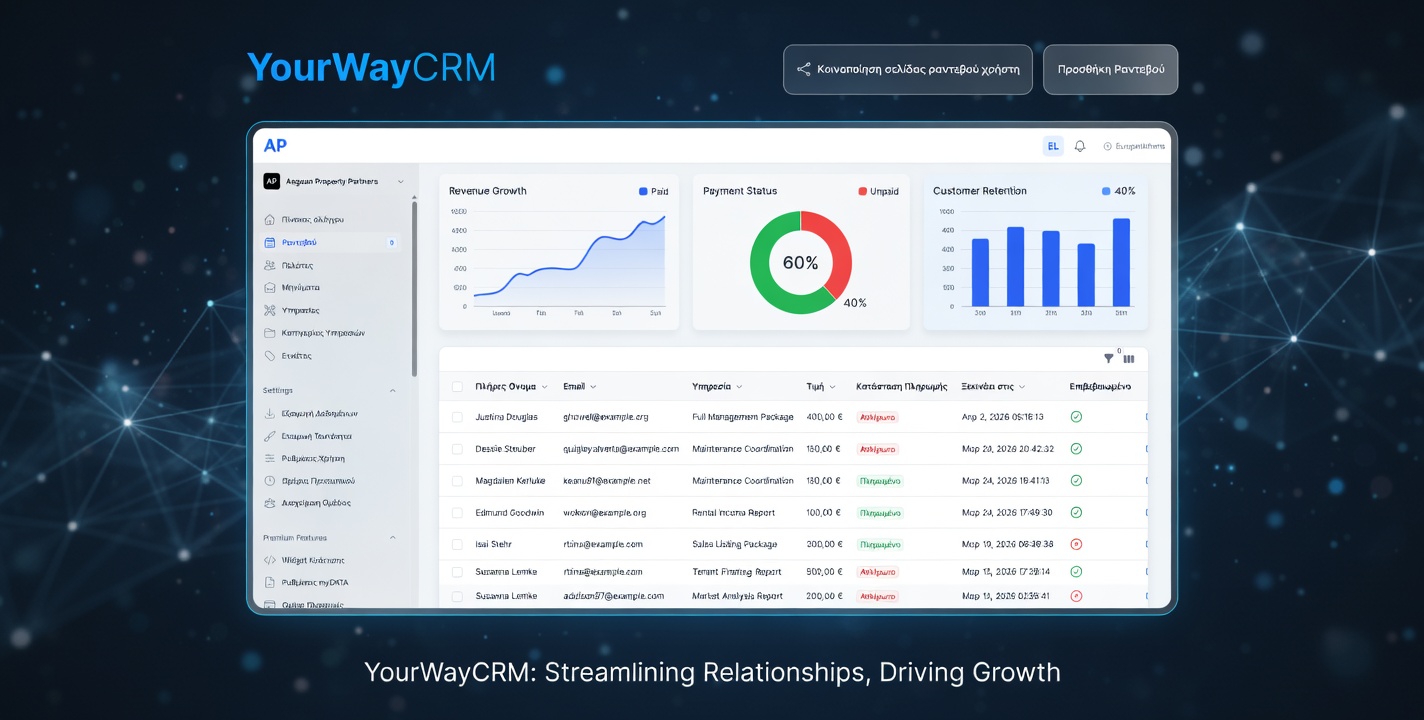
CRM for Transportation: Fleet & Customer Management
The transportation industry faces unique challenges that demand specialized solutions. Whether you operate a small fleet of delivery vehicles or manage multiple logistics routes, balancing customer expectations with fleet operations is critical. A robust CRM system designed for transportation companies can transform how you manage both customer relationships and vehicle operations, ultimately improving profitability and service quality.
Why Transportation Companies Need Specialized CRM Solutions
Traditional CRM platforms often fall short for transportation businesses because they don't account for fleet-specific needs. Transportation companies must juggle multiple responsibilities simultaneously: tracking vehicles, managing driver schedules, responding to customer inquiries, and ensuring timely deliveries. Without proper tools, these operations become fragmented, leading to missed opportunities and frustrated customers.
A transportation-focused CRM addresses these pain points by integrating customer management with fleet operations. This unified approach ensures that every team member—from dispatchers to drivers to customer service representatives—has access to real-time information.
Key Features for Transportation CRM Systems
Customer Relationship Management
Your customers are the lifeblood of your transportation business. A good CRM helps you:
- Track customer preferences and delivery requirements
- Maintain detailed communication history for every client
- Automate quotes and invoicing processes
- Monitor customer satisfaction and feedback
- Identify high-value clients and growth opportunities
By centralizing customer data, you can provide personalized service that builds loyalty and encourages repeat business. YourWayCRM enables small transportation companies to maintain these relationships efficiently without requiring a large administrative team.
Fleet Management Integration
Fleet management goes hand-in-hand with customer service. Your CRM should provide:
- Real-time vehicle tracking and location updates
- Maintenance scheduling and compliance tracking
- Driver performance monitoring and safety records
- Route optimization for fuel efficiency
- Load management and capacity planning
These features ensure your fleet operates at peak efficiency while maintaining safety standards and regulatory compliance. When customers call with questions, your team can provide accurate ETAs and status updates instantly.
Dispatch and Scheduling
Efficient dispatch operations are essential for transportation businesses. Your CRM should allow you to:
- Assign jobs to drivers based on location and availability
- Optimize routes to minimize travel time and fuel costs
- Track job completion in real-time
- Handle last-minute changes and emergency requests
- Maintain accurate records for billing and compliance
Benefits of Integrated Transportation CRM
Improved Customer Service
When your team has complete visibility into both customer history and fleet status, service quality improves dramatically. Customers receive accurate delivery windows, proactive communication about delays, and personalized attention based on their preferences. This level of service builds trust and differentiates your company from competitors.
Operational Efficiency
Integrating customer management with fleet operations eliminates data silos and reduces manual data entry. Your team spends less time on administrative tasks and more time solving problems and serving customers. Automated workflows streamline routine processes like invoicing, scheduling, and compliance reporting.
Cost Reduction
Better route optimization reduces fuel consumption and vehicle wear. Preventive maintenance scheduling extends vehicle lifespan. Improved scheduling reduces idle time and maximizes driver productivity. These efficiency gains directly impact your bottom line, making CRM adoption a smart financial investment.
Data-Driven Decision Making
A comprehensive CRM provides insights into your business performance. You can analyze customer acquisition costs, identify your most profitable routes, track driver performance, and forecast demand. These metrics help you make informed decisions about expansion, pricing, and resource allocation.
Choosing the Right CRM for Your Transportation Business
Not all CRM systems are created equal. When evaluating options, look for:
- Industry-specific features: Ensure the platform addresses transportation-specific needs, not just generic customer management.
- Mobile accessibility: Your drivers and dispatchers need access on the go, so mobile functionality is essential.
- Integration capabilities: The CRM should connect with your GPS tracking, accounting software, and other business tools.
- Scalability: Choose a solution that grows with your business without requiring expensive upgrades.
- User-friendly interface: Your team should be able to adopt the system quickly without extensive training.
- Affordable pricing: Small transportation companies need solutions that deliver value without breaking the budget.
YourWayCRM is designed specifically for small business owners who need powerful functionality without complexity. Its intuitive interface and transportation-focused features make it an excellent choice for companies looking to streamline operations without significant investment.
Implementation Best Practices
Successfully implementing a CRM requires planning and commitment. Start by identifying your most pressing operational challenges. Whether it's customer communication, route optimization, or maintenance tracking, prioritize features that address your biggest pain points.
Involve your team in the implementation process. Drivers, dispatchers, and customer service representatives have valuable insights into daily operations. Their input ensures the system is configured to match your actual workflows.
Begin with a pilot program using a subset of your operations. This allows you to test the system, train your team, and make adjustments before full rollout. Allocate time for training and establish clear processes for using the new system.
The Future of Transportation CRM
Technology continues to evolve, and transportation CRM systems are becoming more sophisticated. Features like AI-powered route optimization, predictive maintenance alerts, and automated customer communication are becoming standard. Small transportation companies that adopt these technologies early gain competitive advantages in efficiency and customer service.
Conclusion
Managing a transportation business successfully requires balancing customer satisfaction with fleet efficiency. A specialized CRM system designed for transportation companies provides the tools needed to excel in both areas. By centralizing customer data, integrating fleet operations, and automating routine processes, you can improve service quality, reduce costs, and make better business decisions.
Whether you operate a small local delivery service or a growing logistics company, investing in the right CRM solution pays dividends. YourWayCRM and similar platforms offer small business owners the opportunity to compete effectively while maintaining the personal touch that builds customer loyalty. Start exploring transportation CRM solutions today and discover how they can transform your business.