Doing Less, Better: The Practice Edition
The mental health profession attracts dedicated professionals who often fall into a familiar trap: doing more and more, until burnout becomes inevitable. Whether it's overloading your schedule, managing too many admin tasks manually, or saying yes to every client inquiry, the "more is better" mindset can undermine the very quality of care you're trying to provide.
This guide explores a counterintuitive approach: doing less, but doing it exceptionally well. For mental health practitioners running a private practice, this philosophy can transform both your wellbeing and your client outcomes.
Why "More" Doesn't Work in Private Practice
Many therapists and psychologists build their practices with the assumption that revenue and client satisfaction grow with client volume. In reality, the opposite often happens. When you're stretched thin across too many clients, administrative duties, and operational decisions, several problems emerge:
- Reduced session quality: Rushing between appointments leaves no mental space for thoughtful preparation or post-session reflection.
- Higher cancellation rates: Overbooked schedules lead to practitioner fatigue, which clients sense and respond to by cancelling.
- Administrative chaos: Manual scheduling, scattered client records, and disorganized follow-ups consume hours that could be spent on clinical work.
- Increased errors: Double-bookings, missed client communications, and lost notes happen when systems aren't in place.
- Practitioner burnout: The cumulative effect is exhaustion, which compromises your ability to help anyone effectively.
The solution isn't to work harder—it's to work smarter by being intentional about what you take on and how you organize it.
Step 1: Audit Your Current Commitments
Before you can do less, you need to see what you're actually doing. Spend a week tracking your time across three categories: client contact, administration, and operational decisions.
Ask yourself honestly:
- Which clients energize you, and which drain you?
- How much time do you spend on scheduling, reminders, and follow-ups?
- Are there administrative tasks you could eliminate or delegate?
- Which services or client types align best with your expertise and interests?
This audit often reveals surprising patterns. Many practitioners discover they're offering services outside their core competency, maintaining relationships with clients who aren't a good fit, or spending disproportionate time on tasks that could be automated.
Step 2: Streamline Administration with Technology
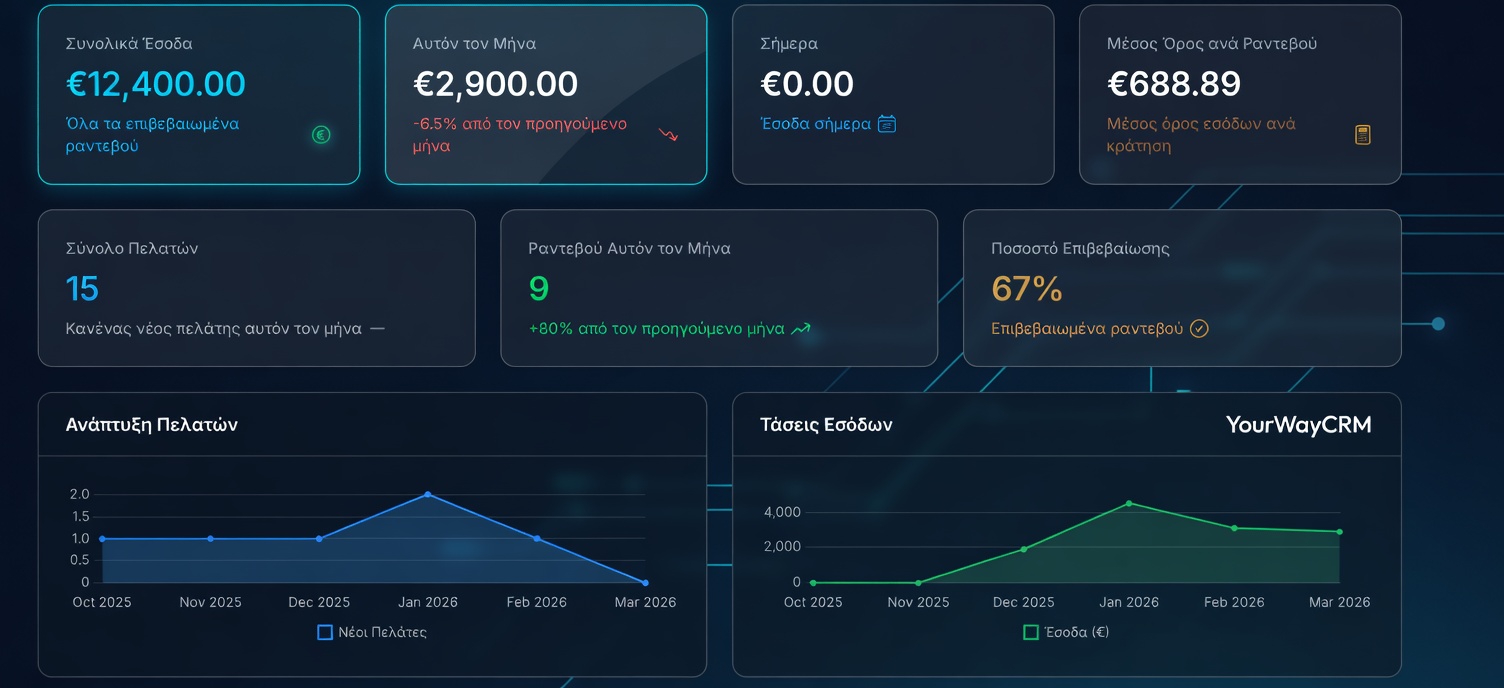
One of the quickest wins in "doing less" is eliminating repetitive administrative work. This is where practice management software becomes invaluable. A platform like YourWayCRM can handle:
- Automated scheduling: Clients book their own appointments, reducing back-and-forth emails and phone calls.
- Appointment reminders: Automated SMS or email reminders reduce no-shows without you lifting a finger.
- Centralized client records: All notes, contact information, and session history in one place, eliminating time spent searching for information.
- Organized communication: Client messages and inquiries are logged systematically, so nothing falls through the cracks.
By automating these tasks, you reclaim 5-10 hours per week that were previously consumed by administrative overhead. This time can be redirected toward client care, professional development, or rest—all of which improve your practice.
Step 3: Define Your Ideal Client Profile
Not every potential client is a good fit for your practice. Defining your ideal client profile—in terms of presenting issues, age group, values, and communication style—allows you to be selective about who you work with.
This isn't about being exclusive; it's about being strategic. When your caseload consists primarily of clients you're well-equipped to help and genuinely enjoy working with, session quality improves, cancellations decrease, and you experience less burnout.
For example, if you specialize in anxiety disorders but find yourself taking on substance abuse cases, you're doing both yourself and those clients a disservice. Referring them to a more appropriate provider is better for everyone.
Step 4: Set Boundaries on Your Availability
A smaller caseload of well-matched clients is more profitable and sustainable than a bloated schedule of mismatched ones. Consider:
- Capping your weekly client load: Decide on a maximum number of sessions per week that allows you to deliver quality care without burnout.
- Establishing clear office hours: Communicate when you're available for appointments and when you're not. This protects your personal time and sets realistic expectations.
- Creating a waitlist: When you reach capacity, new clients go on a waitlist rather than being squeezed into an already full schedule.
- Setting response time expectations: Clients don't need same-day responses to non-urgent messages. Communicate your typical response time and stick to it.
These boundaries might feel counterintuitive to revenue, but they actually protect it. A sustainable practice with lower burnout and higher-quality work attracts referrals and client loyalty far better than an overstretched one.
Step 5: Simplify Your Service Offerings
Many practices offer a bewildering range of services: individual therapy, couples therapy, group workshops, consultation, assessments, and more. While variety can be valuable, it also creates complexity in scheduling, record-keeping, and marketing.
Consider focusing on 2-3 core services that align with your expertise and passion. This allows you to:
- Develop deeper expertise in those areas
- Create consistent, streamlined processes for each service
- Market more effectively (it's easier to communicate one clear message than five)
- Reduce the mental load of context-switching
You can always expand later, but starting focused is far less overwhelming.
Step 6: Build Systems for Consistency
When you're doing less, consistency becomes easier. With a smaller caseload and clearer focus, you can establish reliable systems for client communication, session preparation, and record-keeping.
Good systems mean:
- Clients always know what to expect from you
- You spend less mental energy on decisions and logistics
- Your practice runs smoothly even during your time off
- New clients experience the same professional standard as existing ones
The Real Benefit: Sustainability
Doing less, better isn't about earning less money or helping fewer people. It's about building a practice that's sustainable for the long term. When you're not burning out, you can show up fully for the clients you do work with. You make fewer errors. You feel more satisfied. And ironically, a thriving, sustainable practice often generates more revenue than an overextended one.
The mental health field needs practitioners who are present, grounded, and capable. By being intentional about what you take on and how you organize it, you're not just protecting yourself—you're protecting your clients too.