Your First 10 Clients: Where They Come From
Starting a law practice is exhilarating—and terrifying. You've invested time, money, and effort into your qualification, and now you're facing the biggest challenge: finding your first clients. The good news? Your first 10 clients rarely come from where you think they do, and they're far more accessible than you might believe.
Understanding where your initial client base comes from is crucial for building momentum in your practice. Unlike established firms with brand recognition and referral networks, you'll need to be intentional about client acquisition. Let's explore the most reliable sources for your first clients and how to activate them effectively.
Personal and Professional Networks
Your immediate circle is your strongest asset when launching a practice. Family, friends, university contacts, and former colleagues represent your first tier of potential clients. These relationships already include trust—they know you personally and understand your commitment to excellence.
Don't underestimate these connections. A friend's cousin facing a divorce, a former classmate needing contract review, or a colleague's business partner requiring legal guidance—these are real opportunities. The key is making your availability known without being pushy. A simple announcement that you're now in practice, shared authentically through your network, often yields immediate inquiries.
Keep a spreadsheet of these contacts and follow up periodically. When you help someone, ask if they know others who might benefit from your services. This organic networking forms the foundation of sustainable growth.
Referrals from Other Professionals
Accountants, financial advisors, property agents, and other professionals regularly encounter people needing legal assistance. These professionals aren't your competitors—they're potential referral partners. When you build relationships with them, they become extensions of your marketing effort.
Visit local accounting firms, introduce yourself, and explain the types of clients you serve. Offer to reciprocate referrals where appropriate. Many of your first clients will come through these professional networks because trust flows through established relationships.
Consider joining professional associations and local business groups. These environments naturally facilitate introductions and provide credibility. When someone asks an accountant for a lawyer recommendation, your name should be top of mind.
Local Community Visibility
Your local community is a goldmine of potential clients. Sponsoring local sports teams, speaking at community events, or volunteering for relevant causes builds awareness and demonstrates your commitment to your area. People prefer working with lawyers they've heard of—even if they've only heard their name once.
Write articles for local newsletters, participate in school or community boards, or offer free legal information sessions at libraries. These activities position you as knowledgeable and accessible, two qualities that attract first-time clients seeking legal help.
Many of your first clients will come from people who saw you somewhere local and felt comfortable approaching you. This grassroots visibility is particularly powerful for solo practitioners and small firms.
Online Presence and Search
Today's clients search online before contacting any lawyer. A basic website with clear information about your practice areas, location, and how to contact you is essential. You don't need an elaborate site—you need one that answers basic questions and appears in local search results.
Ensure your Google Business Profile is complete and accurate. Many of your first clients will find you through local search or Google Maps. Encourage early clients to leave reviews; social proof builds credibility for those considering your services.
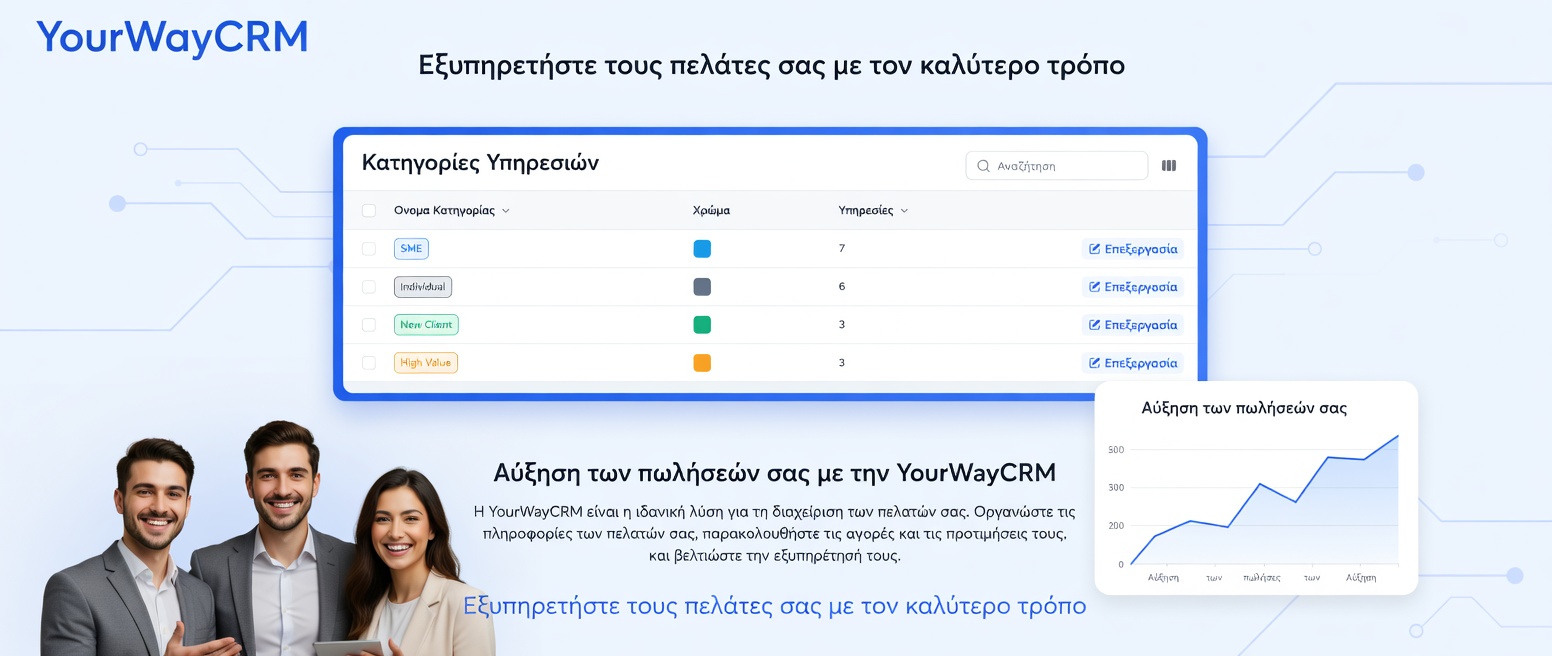
Your online presence doesn't need to be complex, but it must be professional and easy to navigate. A client management system like YourWay CRM can help you manage inquiries efficiently, ensuring no potential client falls through the cracks during your busy growth phase.
Direct Outreach and Cold Calling
This approach feels uncomfortable, but it works. Identify potential clients in your target market—small business owners, property developers, or individuals in your practice area—and reach out directly. A personalized email or phone call explaining your services and offering a free consultation can generate genuine interest.
The key is specificity. Rather than generic outreach, target businesses or individuals who clearly need your services. A personal touch—mentioning a specific challenge you can solve—dramatically improves response rates.
Keep detailed records of your outreach efforts and follow-ups. YourWay CRM makes tracking these interactions simple, ensuring you maintain consistent contact with prospects without duplicating efforts.
Existing Clients as Growth Engines
Your first client isn't just a client—they're a potential source of multiple referrals. When you deliver exceptional service, satisfied clients naturally recommend you to others. This word-of-mouth referral is often the highest-quality lead source because it comes with built-in trust.
After completing work successfully, ask clients if they know anyone else who might benefit from your services. Make referral requests specific: "Do you know any small business owners who might need help with employment contracts?" yields better results than vague requests for referrals.
Consider implementing a simple referral incentive—not necessarily financial, but perhaps a discount on future services or a small gift. This acknowledges the value of their recommendation.
Managing Your First Clients Effectively
Once you've attracted your first clients, managing them professionally is crucial. Missed deadlines, poor communication, or disorganized file management can damage your reputation before it's even established. This is where systems matter.
Implement a client management system from day one. Track deadlines, schedule follow-ups, manage documents, and maintain clear communication records. When your first clients see that you're organized, responsive, and professional, they become your best advocates.
YourWay CRM helps you manage appointments, track deadlines, and maintain client communication seamlessly. As your practice grows, these systems scale with you, ensuring quality never diminishes.
The Timeline Reality
Your first 10 clients won't all appear in week one. Building a practice takes time and consistency. Most successful practitioners report that their first clients came from a mix of sources—some personal referrals, some direct outreach, some online discovery. Diversifying your client acquisition sources creates stability as your practice grows.
Stay persistent, remain professional, and continually activate your networks. Your first 10 clients are closer than you think.