How to Scale Without Losing Quality
Growing a law practice is exciting—but it's also one of the most challenging transitions a lawyer-owner faces. As your client base expands, you're juggling more cases, managing more staff, and handling increased administrative demands. The biggest risk? Compromising the quality of service that built your reputation in the first place.
Scaling successfully means creating systems that work just as well when you're handling 50 cases as they did when you were handling 5. It requires intentional planning, the right tools, and a clear commitment to maintaining your professional standards throughout the growth process.
Start with Process Documentation
Before you bring on new staff or take on more clients, document everything your practice does. This isn't busywork—it's the foundation of scalability. Write down your workflows for common tasks: how you intake clients, how you manage deadlines, how you communicate with opposing counsel, how you prepare files for court.
When processes are documented, new team members can learn them quickly and consistently. You won't have to re-explain procedures repeatedly, and you'll reduce the risk of mistakes that damage client relationships or your reputation. Documentation also reveals inefficiencies you might not have noticed when you were doing everything yourself.
Invest in Client Management Systems
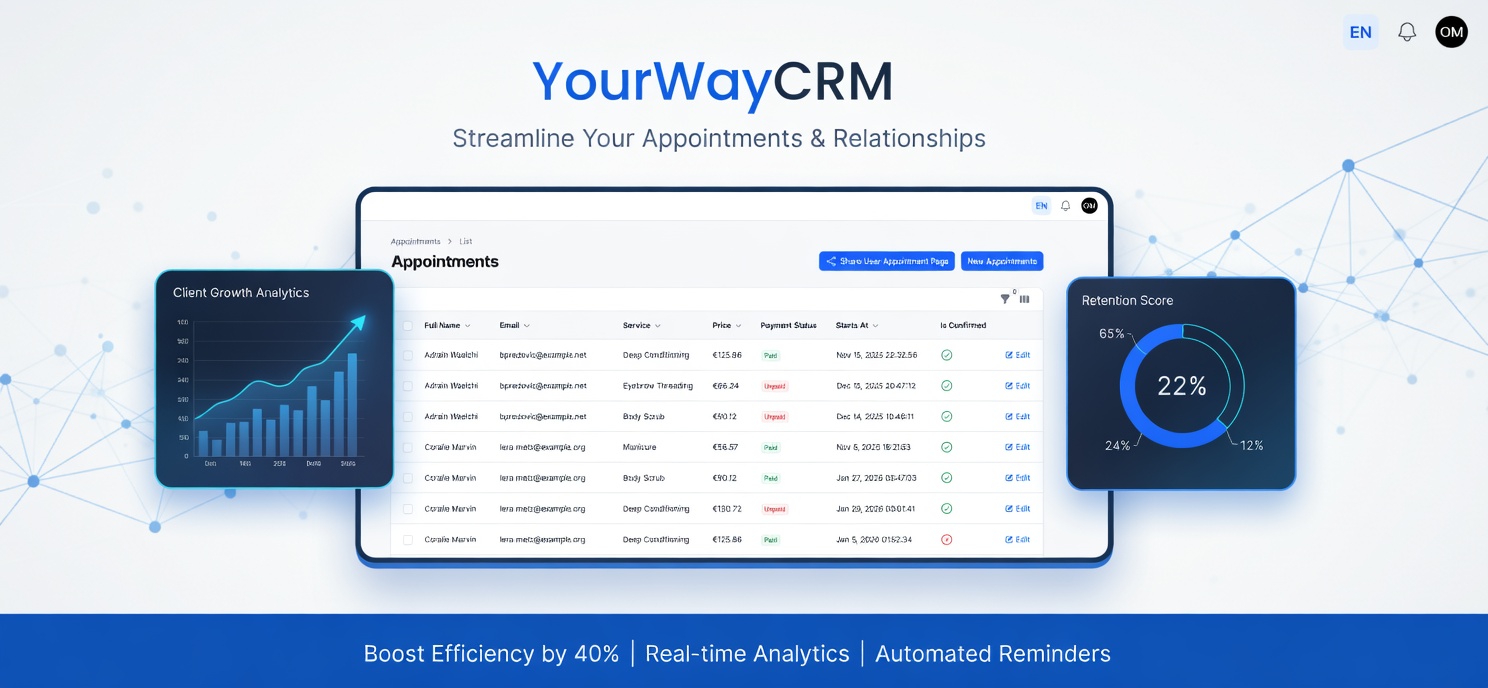
Manual spreadsheets and scattered notes don't scale. As your practice grows, you need a centralized system that everyone can access—one that tracks client information, case details, deadlines, and communication history. This is where a platform like YourWayCrm becomes invaluable. A proper client management system ensures that whether you have one staff member or ten, every client receives consistent service and no deadline slips through the cracks.
The right system also reduces the administrative burden on you personally. Instead of being the only person who knows where everything is, your entire team has visibility into cases and client interactions. This is essential for maintaining quality as you delegate more work.
Build a Strong Intake Process
Your intake process sets the tone for every client relationship. As you scale, this is where quality often first deteriorates—rushed intakes lead to missed details, unclear expectations, and unhappy clients. Instead, standardize and strengthen your intake process:
- Create a detailed intake form that captures all essential information
- Define clear criteria for the types of cases you accept
- Establish a consistent timeline for following up with potential clients
- Train staff on how to explain your fee structure and process clearly
- Document what happens next so clients know what to expect
A strong intake process actually makes scaling easier because it filters out poor-fit clients and ensures that everyone who does become a client is properly informed and prepared.
Hire Strategically and Train Thoroughly
Your team is your quality control. Hiring the right people and training them properly is non-negotiable. Don't rush to fill positions just because you're busy. Take time to find people who share your commitment to quality and who fit your practice culture.
Once you hire, invest in training. New staff should shadow experienced team members, work through your documented processes, and understand the "why" behind your procedures—not just the "what." Regular feedback and ongoing training keep quality high as your team grows.
Maintain Clear Communication Standards
As your practice grows, communication becomes more complex. With multiple team members handling different aspects of cases, clients can easily fall through the cracks or receive inconsistent messages. Establish communication standards:
- Define response time expectations for client calls and emails
- Create templates for common client communications
- Establish a system for internal handoffs between team members
- Use your case management system to document all client interactions
- Schedule regular team check-ins to discuss cases and address issues
When communication is standardized and tracked, clients experience consistent, professional service regardless of who they're interacting with.
Monitor Quality Metrics
You can't improve what you don't measure. As you scale, establish metrics that matter to your practice. This might include:
- Client satisfaction scores or feedback
- Deadline adherence rates
- Average time to respond to client inquiries
- Number of client complaints or issues
- Staff productivity and accuracy rates
Review these metrics regularly. If you notice quality slipping in any area, that's a signal to adjust your processes, provide additional training, or reconsider your growth pace.
Know When to Say No
Scaling doesn't mean saying yes to every opportunity. Sometimes the best decision for quality is to decline a case that doesn't fit your practice or that would stretch your team too thin. Growing sustainably means growing at a pace your systems and team can handle.
Protect your reputation by being honest about your capacity. A client turned away professionally is better than a client served poorly.
Leverage Technology to Reduce Administrative Burden
The more administrative work you can automate or streamline, the more time your team has for substantive work. Use tools like YourWayCrm to handle scheduling, client communication, deadline tracking, and file organization. Automation frees up mental energy and reduces human error—both critical for maintaining quality as you scale.
Conclusion
Scaling your law practice without losing quality comes down to intentional systems, the right technology, and a team that shares your commitment to excellence. Document your processes, invest in client management tools, hire carefully, and monitor quality metrics as you grow. With these foundations in place, you can expand your practice confidently—knowing that every client receives the same high-quality service that built your reputation.