How to Build a Sales Pipeline with CRM
A strong sales pipeline is the lifeblood of any growing business. It gives you visibility into future revenue, helps your team stay organized, and ensures no opportunity falls through the cracks. The best way to build and manage a sales pipeline? Using a Customer Relationship Management (CRM) system.
In this guide, we'll walk you through the essential steps to build a sales pipeline with CRM and transform the way your business sells.
What is a Sales Pipeline?
A sales pipeline is a visual representation of all the deals your sales team is working on at various stages of the sales process. It shows prospects as they move from initial contact through negotiation and finally to closing. Without a clear pipeline, your sales team operates reactively rather than strategically.
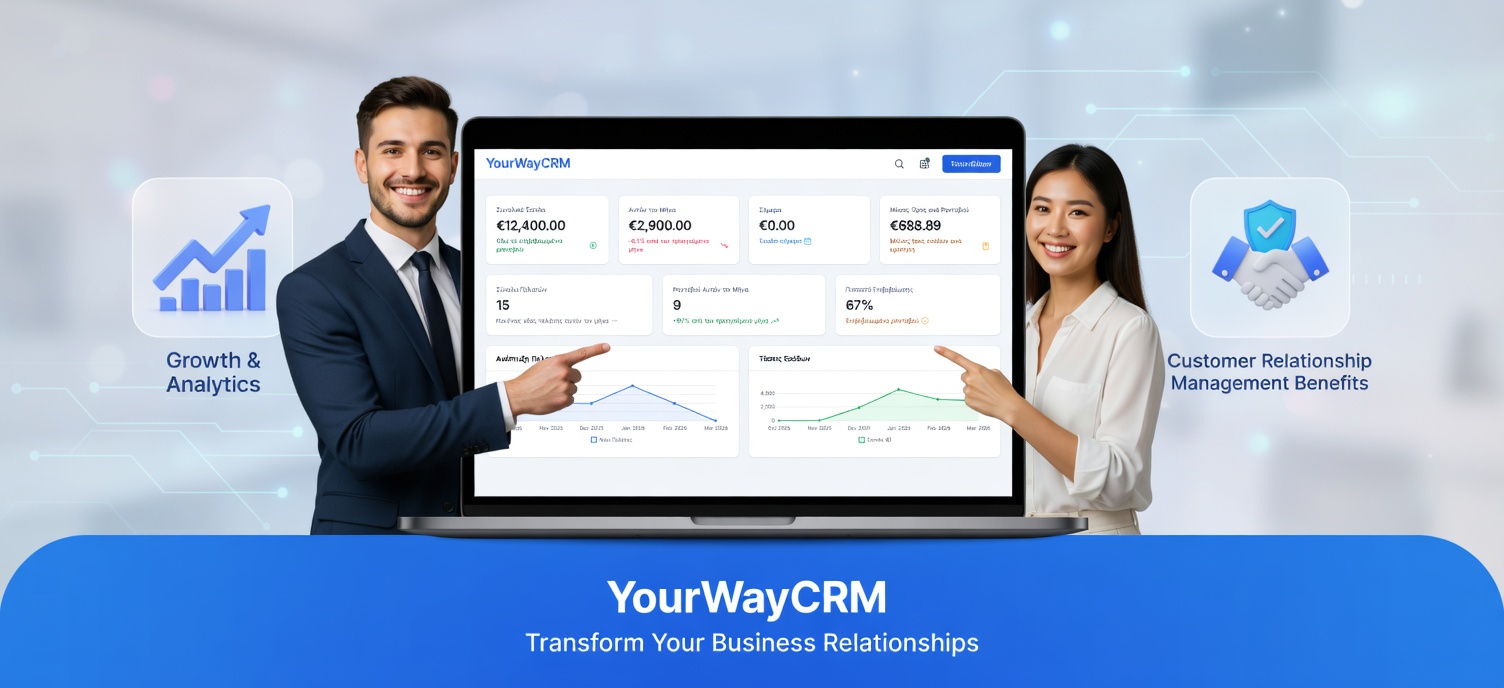
A CRM system like YourWayCRM makes it easy to visualize your entire pipeline, track deal progress, and forecast revenue with confidence.
Step 1: Define Your Sales Stages
The foundation of any sales pipeline is clarity about your sales stages. These are the distinct phases a prospect moves through before becoming a customer.
Common sales stages include:
- Lead: A potential customer who has shown interest
- Qualification: You've confirmed they're a fit for your product
- Proposal: You've presented a solution and pricing
- Negotiation: Discussing terms and final details
- Closed Won: Deal successfully completed
- Closed Lost: Prospect decided not to move forward
Your stages should reflect your unique sales process. In YourWayCRM, you can customize these stages to match exactly how your business sells.
Step 2: Organize Your Leads and Contacts
Before you can build a pipeline, you need to populate it with leads. Start by consolidating all your contact information into one central location—your CRM.
This means:
- Importing existing contacts from email, spreadsheets, or previous systems
- Creating standardized fields for consistent data entry
- Assigning leads to appropriate sales team members
- Tagging contacts by industry, company size, or other relevant criteria
A well-organized contact database is the starting point for pipeline success. YourWayCRM allows you to segment and organize leads effortlessly, ensuring your team has access to the information they need when they need it.
Step 3: Set Clear Deal Values and Timelines
Every deal in your pipeline should have two critical pieces of information: the deal value and the expected close date.
Deal value helps you forecast revenue accurately. Expected close dates keep your team accountable and help you identify deals that need attention. When you add this information to your CRM, you can generate reliable sales forecasts and identify bottlenecks in your process.
Be realistic about both values and timelines. Overly optimistic forecasts lead to poor business decisions.
Step 4: Create a Lead Qualification Process
Not every lead deserves the same attention. A good qualification process filters prospects to focus your team's energy on high-quality opportunities.
Consider using a qualification framework like BANT (Budget, Authority, Need, Timeline) to evaluate leads. Your CRM can track qualification criteria and automatically flag deals that meet your standards.
This keeps your pipeline healthy by removing low-quality prospects early and preventing your team from chasing dead ends.
Step 5: Track Activities and Next Steps
A pipeline is only useful if it reflects reality. This means consistently logging activities—calls, emails, meetings, and follow-ups.
In your CRM, you should:
- Log every customer interaction
- Set reminders for follow-up tasks
- Document deal progress in notes
- Assign next steps to team members
By maintaining detailed activity records, your entire team stays informed about where each deal stands. YourWayCRM makes this simple with built-in activity tracking and task management features.
Step 6: Monitor Pipeline Health Regularly
Building a pipeline isn't a one-time project—it requires ongoing management. Regularly review your pipeline to identify trends and issues:
- Which stages have deals stuck for too long?
- What's your average deal size and sales cycle?
- Are certain team members closing deals faster?
- Where are your biggest pipeline gaps?
Most CRM systems, including YourWayCRM, provide dashboards and reports that give you instant visibility into pipeline health. Use these insights to coach your team and refine your sales process.
Step 7: Forecast Revenue Accurately
One of the biggest benefits of a well-built sales pipeline is accurate revenue forecasting. By tracking deal values and probabilities, you can predict future revenue with confidence.
Assign a win probability to each deal based on its stage. A deal in the "Proposal" stage might have a 50% probability, while a deal in "Negotiation" might be 80%. Multiply deal value by probability to get a realistic forecast.
This helps you plan inventory, staffing, and growth initiatives based on actual sales trends rather than guesswork.
Best Practices for Sales Pipeline Success
Keep data clean: Outdated or duplicate information ruins pipeline accuracy. Establish data entry standards and regularly audit your CRM.
Use consistent terminology: Make sure your entire team uses the same stage names and definitions.
Review regularly: Schedule weekly or bi-weekly pipeline reviews to keep deals moving.
Automate where possible: Use CRM automation to send reminders, update records, and notify team members of important milestones.
Train your team: Ensure every team member knows how to use your CRM effectively.
Start Building Your Sales Pipeline Today
A strong sales pipeline is within reach for any small business willing to invest in the right tools and processes. By using a CRM like YourWayCRM, you gain the visibility and organization needed to grow revenue consistently and predictably.
Start by defining your sales stages, organizing your contacts, and committing to regular pipeline management. The result? A sales team that sells smarter, forecasts better, and closes more deals.