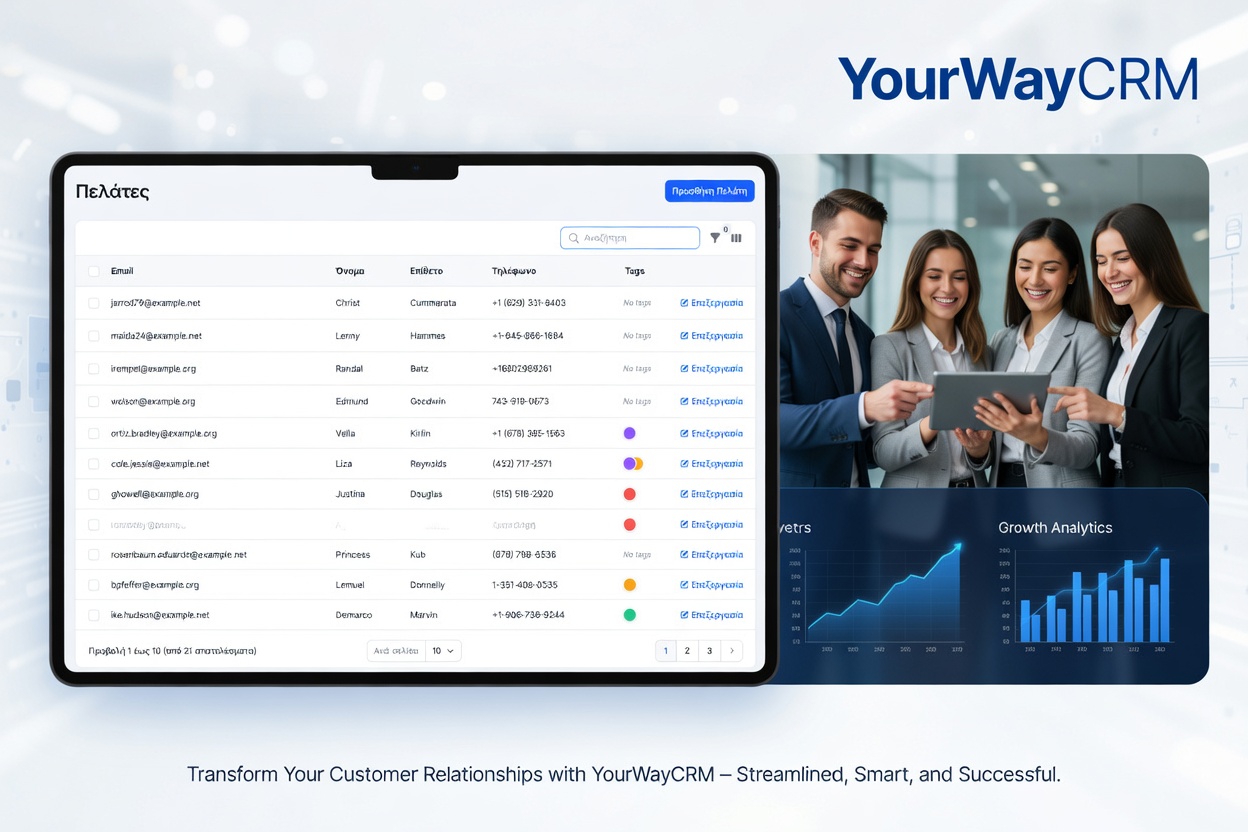
CRM's Critical Role in Account-Based Selling
Account-based selling (ABS) has revolutionized how B2B companies approach their most valuable prospects. Instead of casting a wide net, ABS focuses your sales efforts on specific, high-value accounts that align perfectly with your business. But here's the challenge: managing complex, multi-stakeholder sales processes across these accounts requires serious coordination. This is where a robust CRM system becomes absolutely essential.
For small business owners, implementing account-based selling might seem like a strategy reserved for enterprise-level companies. However, with the right CRM platform, even smaller teams can execute sophisticated ABS strategies that rival those of much larger organizations.
What is Account-Based Selling?
Account-based selling is a strategic approach where sales and marketing teams work together to target specific high-value accounts rather than pursuing individual leads. Instead of the traditional funnel approach, ABS treats each target account as a market of one, customizing your approach to meet the unique needs and challenges of that organization.
This methodology is particularly effective for B2B companies selling complex solutions, high-ticket items, or services requiring executive-level buy-in. The benefits are substantial:
- Higher deal values and longer customer lifetime value
- Shorter sales cycles when executed properly
- Better alignment between sales and marketing teams
- More efficient use of sales resources
- Improved customer retention and expansion opportunities
Why CRM is Essential for Account-Based Selling
A CRM system serves as the backbone of any successful account-based selling strategy. Here's why it's indispensable:
Centralized Account Intelligence
Your CRM becomes the single source of truth for all information related to target accounts. Every interaction, communication, deal stage, and stakeholder detail lives in one place. This prevents the chaos of scattered emails, forgotten conversations, and missed opportunities. YourWayCRM helps small business teams maintain comprehensive account profiles, ensuring no detail about your target accounts falls through the cracks.
Multi-Stakeholder Tracking
Large accounts rarely have a single decision-maker. Your CRM enables you to map out all key stakeholders, their roles, influence levels, and individual communication preferences. You can track interactions with each person, understand their concerns, and tailor your messaging accordingly. This sophisticated stakeholder management is crucial for navigating complex sales processes.
Sales and Marketing Alignment
Account-based selling requires seamless collaboration between sales and marketing teams. A shared CRM platform ensures both teams are working from the same playbook, with real-time visibility into account status, campaign performance, and sales progress. Marketing can create targeted campaigns for specific accounts, while sales can immediately see which accounts are most engaged and ready to advance.
Personalized Account Strategies
Your CRM allows you to document and execute customized strategies for each target account. You can set specific objectives, outline the buying committee's structure, plan key touchpoints, and establish timelines. This structured approach ensures your team stays focused and coordinated throughout the sales process.
How to Implement Account-Based Selling with Your CRM
Getting started with ABS doesn't require a complete overhaul of your sales process. Follow these practical steps:
Step 1: Identify Your Target Accounts
Work with your sales and marketing teams to define the ideal account profile (IAP). What company characteristics, industry verticals, company sizes, and revenue levels align best with your solution? Use your CRM to create a list of target accounts that match these criteria. For small businesses, this might be 10-50 accounts rather than thousands of leads.
Step 2: Build Comprehensive Account Profiles
In your CRM, create detailed profiles for each target account. Include company information, current challenges, decision-makers, buying timelines, and competitive landscape. The more you know about each account, the better you can tailor your approach.
Step 3: Map the Buying Committee
Identify all stakeholders involved in the purchase decision. Create contact records for each person, noting their title, department, influence level, and communication preferences. Track your interactions with each stakeholder separately to understand their individual concerns and motivations.
Step 4: Develop Personalized Campaigns
Create targeted marketing and sales campaigns for your account list. Use your CRM to track which campaigns resonate with which accounts and stakeholders. A/B test different messaging, content, and outreach approaches to optimize your results.
Step 5: Coordinate Sales and Marketing Efforts
Ensure your sales team is aware of all marketing touchpoints and that marketing understands the sales team's account priorities. Use your CRM to document all activities and maintain clear communication about account status and next steps.
Key CRM Features for Account-Based Selling
When evaluating a CRM for account-based selling, look for these essential features:
- Account Hierarchies: The ability to organize contacts and deals under parent accounts
- Activity Tracking: Comprehensive logging of all calls, emails, meetings, and interactions
- Deal Pipeline Management: Clear visibility into each account's sales stage and progress
- Custom Fields: Flexibility to track account-specific information relevant to your business
- Reporting and Analytics: Insights into account engagement, pipeline health, and sales performance
- Integration Capabilities: Seamless connection with your marketing automation, email, and communication tools
- Collaboration Tools: Features that enable teams to work together on accounts
Measuring Success with Account-Based Selling
Your CRM should provide clear metrics to measure your ABS success. Key indicators include:
- Deal size and value per account
- Sales cycle length for target accounts
- Win rate against target accounts
- Customer lifetime value
- Marketing engagement metrics by account
- Sales team productivity and focus
Track these metrics in your CRM dashboard to continuously refine your account-based selling strategy.
Conclusion
Account-based selling represents a fundamental shift in how B2B companies approach sales. By focusing your efforts on high-value accounts and personalizing your approach, you can close larger deals, build stronger relationships, and grow faster. A CRM system like YourWayCRM makes this strategy accessible and manageable for small business teams, providing the tools and visibility needed to execute sophisticated, multi-stakeholder sales processes with confidence.
If you're ready to take your sales approach to the next level, implementing account-based selling with a robust CRM should be your next strategic priority.