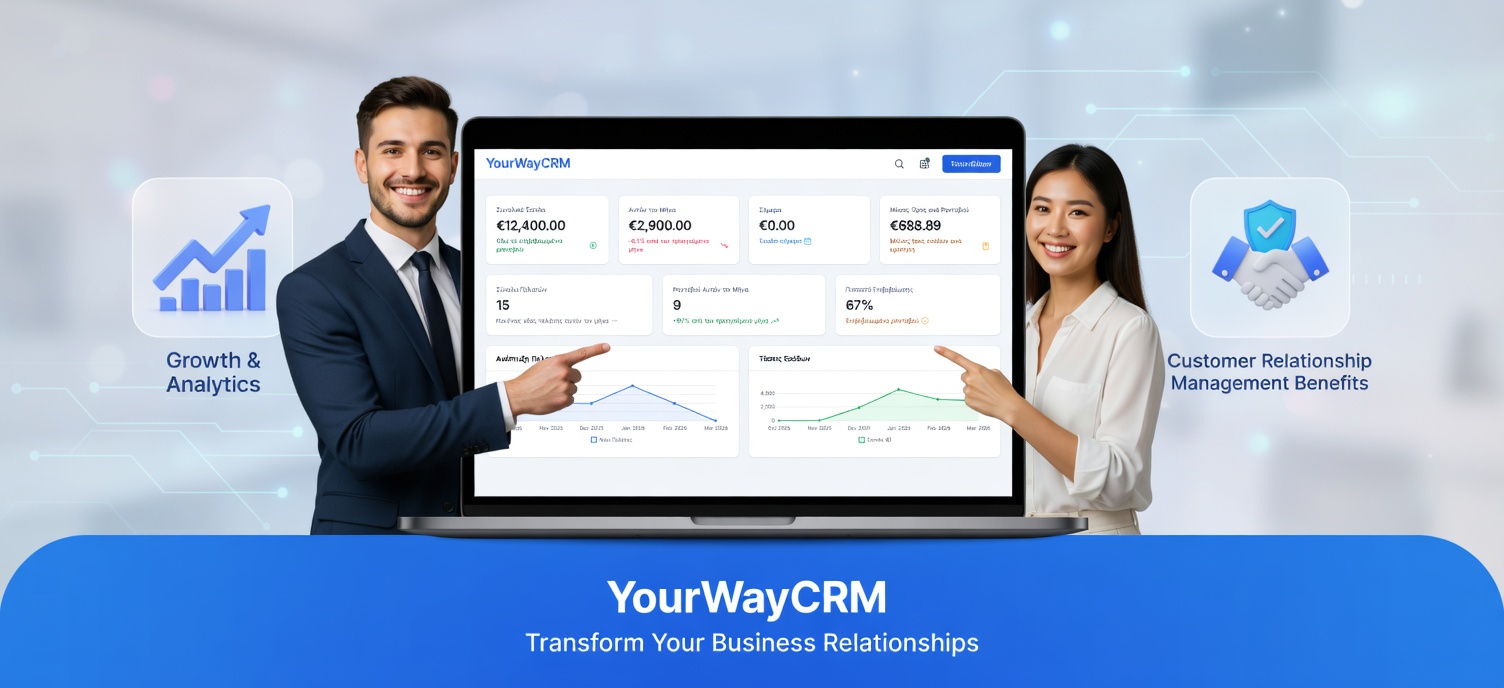
Why Activity Sequences Matter for Your Business
Following up with customers is one of the most critical yet often neglected aspects of running a successful small business. Studies show that most sales happen after the fifth contact, yet many businesses give up after one or two attempts. This is where CRM activity sequences come in—they're your secret weapon for staying organized and consistent in your customer interactions.
Activity sequences in a CRM system create a structured workflow that ensures no lead falls through the cracks. Instead of relying on memory or scattered notes, you have a systematic approach that keeps your team aligned and your customers engaged. For small business owners juggling multiple responsibilities, this automation is invaluable.
What Are CRM Activity Sequences?
A CRM activity sequence is a pre-planned series of actions designed to nurture leads or customers through different stages of your sales pipeline. These sequences typically include emails, phone calls, tasks, and reminders scheduled at strategic intervals. Think of it as a roadmap that guides your team through the entire customer journey.
Rather than manually remembering when to follow up with each prospect, your CRM—like YourWayCRM—automatically triggers the next action in the sequence based on specific conditions or time intervals. This ensures consistency and professionalism while freeing up your team's time for more strategic work.
Key Benefits of Systematic Follow-Up Sequences
- Increased Conversion Rates: Consistent follow-up dramatically improves your chances of closing deals. Sequences keep your business top-of-mind.
- Time Savings: Automation eliminates manual task creation and reminders, allowing your team to focus on high-value activities.
- Improved Customer Experience: Timely, relevant touchpoints make customers feel valued and understood.
- Better Team Accountability: Everyone knows what actions are scheduled and when they're due.
- Data-Driven Insights: Track which sequences work best and optimize based on real results.
- Scalability: Handle more leads without proportionally increasing your workload.
How to Design Effective Activity Sequences
Step 1: Define Your Goals
Start by clarifying what you want to achieve with each sequence. Are you nurturing cold leads, following up on proposals, or re-engaging inactive customers? Your goal shapes the entire sequence structure. Different customer segments may need different approaches.
Step 2: Map Out Customer Touchpoints
Identify the logical progression of interactions. A typical sequence might look like: initial email → follow-up call → personalized proposal → check-in email → final reminder. Space these touchpoints strategically—too frequent and you'll annoy prospects; too sparse and they'll forget about you.
Step 3: Choose Your Communication Channels
Mix different communication methods to reach customers where they're most receptive. Combine emails, phone calls, SMS messages, and even social media interactions. This multi-channel approach increases engagement and shows you're committed to connecting.
Step 4: Personalize at Scale
Use your CRM to insert customer names, company details, and relevant information into your messages. Personalization makes automated sequences feel genuine. YourWayCRM allows you to customize templates with dynamic fields that automatically populate with customer data.
Step 5: Set Logical Triggers and Timing
Determine what triggers each action. This might be based on time elapsed, customer behavior, or specific events. For example, if a customer views your pricing page but doesn't sign up, automatically trigger a follow-up email within 24 hours. Timing is crucial—send emails at optimal times when your customers are most likely to engage.
Best Practices for Activity Sequences
Keep your sequences reasonable in length. A sequence with 15+ steps might overwhelm prospects. Most effective sequences have 5-8 touchpoints spread over 2-4 weeks. Monitor engagement metrics and adjust accordingly.
Always provide value in each interaction. Don't just ask for the sale repeatedly. Share relevant content, answer questions, and address pain points. This builds trust and positions your business as a helpful resource rather than just another salesperson.
Test and refine your sequences regularly. Track open rates, click-through rates, response rates, and conversions. Use these insights to optimize subject lines, messaging, and timing. What works for one audience might not work for another.
Make sure your sequences comply with email regulations and respect customer preferences. Include unsubscribe options and honor do-not-contact requests immediately. Building a sustainable business means respecting your customers' boundaries.
Real-World Examples of Effective Sequences
Cold Lead Sequence: Day 1 - Introduction email, Day 3 - Follow-up email with case study, Day 7 - Phone call attempt, Day 10 - Value-focused email, Day 14 - Final offer email, then move to nurture sequence.
Proposal Follow-Up Sequence: Day 0 - Send proposal, Day 2 - Check-in email, Day 5 - Phone call, Day 8 - Address objections email, Day 12 - Final deadline reminder.
Post-Purchase Sequence: Day 1 - Thank you email, Day 3 - Onboarding guide, Day 7 - How-to content, Day 14 - Check-in call, Day 30 - Upsell opportunity.
Implementing Sequences in Your CRM
Most modern CRM platforms, including YourWayCRM, make it easy to set up activity sequences without coding knowledge. Start by creating templates for your most common messages. Then, define your sequence rules and conditions. Test with a small group before rolling out to your entire customer base.
Train your team on how sequences work and when to manually override them. Sometimes a customer situation requires personal judgment. Your CRM should support both automation and human touch.
Conclusion
CRM activity sequences transform follow-up from a haphazard process into a systematic, scalable strategy. By automating routine touchpoints and maintaining consistent communication, you'll increase conversions, improve customer satisfaction, and free up your team to focus on what they do best. Start small, measure results, and continuously refine your approach. The businesses that master systematic follow-up consistently outperform their competitors.