CRM for B2B Pipeline Management: Complete Guide
Managing a B2B sales pipeline can feel overwhelming when you're juggling multiple deals, stakeholders, and timelines. Without proper organization, opportunities slip through the cracks, deals stall, and revenue becomes unpredictable. This is where a Customer Relationship Management (CRM) system becomes invaluable for small businesses.
A robust CRM platform gives you complete visibility into your sales pipeline, allowing you to track deals from initial contact through closing. In this guide, we'll explore how to use CRM effectively for B2B pipeline management and why it matters for your bottom line.
Why B2B Pipeline Management Matters
Your sales pipeline is the lifeblood of your business. It represents all the potential revenue in your organization at any given time. Without proper pipeline management, you won't know:
- How many deals are in progress
- Which deals are likely to close soon
- Where bottlenecks exist in your sales process
- What your revenue forecast looks like
- Which sales activities need attention
B2B sales cycles are typically longer and more complex than B2C. Multiple decision-makers, longer evaluation periods, and higher deal values mean you need detailed tracking and strategic management. A CRM system like YourWayCRM helps you maintain control over these complex processes.
Key Features of CRM for Pipeline Management
Deal Tracking and Stage Management
The foundation of pipeline management is tracking deals through defined stages. A good CRM allows you to create custom pipeline stages that match your specific sales process. Whether your stages are "Prospecting," "Qualification," "Proposal," "Negotiation," and "Closing," you need visibility into where each deal stands.
YourWayCRM enables you to move deals through stages with drag-and-drop functionality, update deal information in real-time, and assign deals to team members. This ensures nothing falls through the cracks and everyone knows what they're responsible for.
Probability and Forecasting
Accurate revenue forecasting depends on understanding deal probability. Assign win probabilities to deals based on their stage, and your CRM will automatically calculate expected revenue. This helps you:
- Make informed business decisions
- Set realistic sales targets
- Identify when you need to pursue additional opportunities
- Plan resources more effectively
Activity Tracking and Timeline
B2B deals require multiple touchpoints. Your CRM should track every interaction: emails, calls, meetings, and proposals. This creates a complete timeline of your relationship with each prospect, helping your team understand the deal's history and next steps without relying on individual memory.
Collaboration Tools
B2B sales often involves multiple team members. A CRM with built-in collaboration features allows your team to share notes, assign tasks, and communicate about deals without leaving the system. This alignment is crucial for closing complex deals.
How to Implement CRM for Pipeline Management
Step 1: Define Your Sales Stages
Before implementing a CRM, map out your actual sales process. What stages do deals go through? How long does each stage typically take? What activities happen in each stage? Document this clearly so you can configure your CRM accurately.
Step 2: Set Up Deal Fields and Information
Determine what information you need to track for each deal. Beyond basic details like company name and deal value, consider tracking:
- Decision makers and their roles
- Competition and competitive threats
- Budget and timeline
- Key issues or pain points
- Next steps and follow-up dates
Step 3: Train Your Team
A CRM is only effective if your team uses it consistently. Invest time in training on how to enter deals, update stages, log activities, and use reporting features. Make data entry part of your daily workflow.
Step 4: Monitor and Optimize
Use your CRM's reporting features to analyze your pipeline. Look for bottlenecks where deals stall, identify your most successful sales stages, and measure conversion rates. Use these insights to continuously improve your sales process.
Best Practices for B2B Pipeline Management
Keep Data Clean and Current
Garbage in, garbage out. Your pipeline is only as accurate as your data. Establish rules for data entry and regularly audit your pipeline for duplicate or outdated information. Assign someone to maintain data quality.
Set Activity Reminders
B2B sales require consistent follow-up. Use your CRM to set reminders for next steps, ensuring no deal is neglected. Automated reminders help your team stay on top of their pipeline.
Review Pipeline Regularly
Make pipeline reviews a regular habit. Weekly or bi-weekly reviews help you catch issues early, celebrate wins, and adjust strategy as needed. These reviews should include reviewing deal probability, timeline, and next steps.
Focus on Deal Velocity
Track how quickly deals move through your pipeline. If deals are stalling in certain stages, investigate why. Are there missing resources? Unclear next steps? Use this data to identify and remove bottlenecks.
Measuring Pipeline Health
Your CRM should provide insights into these key metrics:
- Pipeline Coverage: Total pipeline value vs. monthly quota (typically 3-4x)
- Win Rate: Percentage of deals that close successfully
- Sales Cycle Length: Average time from initial contact to close
- Deal Velocity: How quickly deals progress through stages
- Conversion Rates: Percentage of deals moving from one stage to the next
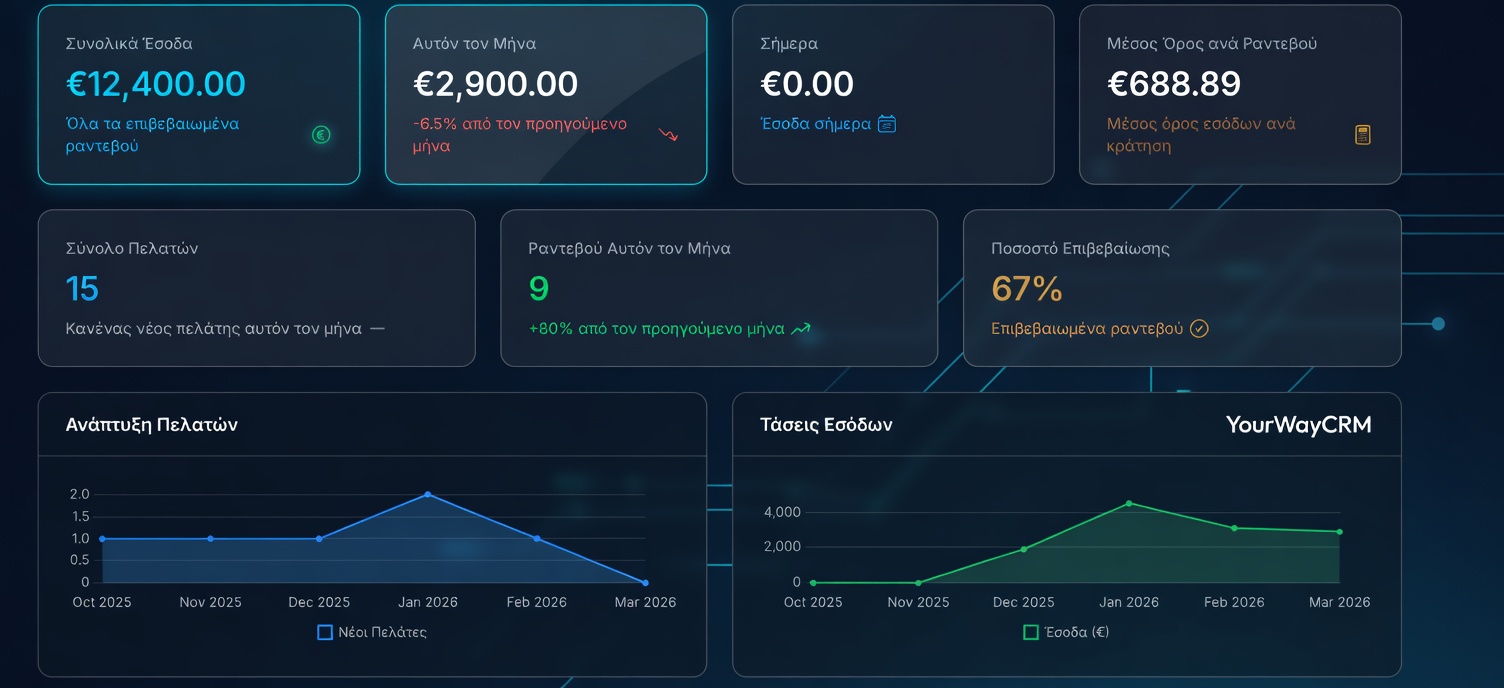
YourWayCRM provides dashboards and reports that make tracking these metrics straightforward, giving you the visibility you need to manage your pipeline effectively.
Conclusion
Effective B2B pipeline management is essential for predictable revenue and sustainable growth. A CRM system transforms pipeline management from a manual, error-prone process into a streamlined, data-driven discipline. By implementing a CRM with the right features and following best practices, you'll gain control over your sales pipeline, improve forecasting accuracy, and ultimately close more deals.
Whether you're using YourWayCRM or another platform, the key is choosing a system that fits your business needs and committing to consistent, disciplined use. Your pipeline is the foundation of your business—manage it well, and success follows.