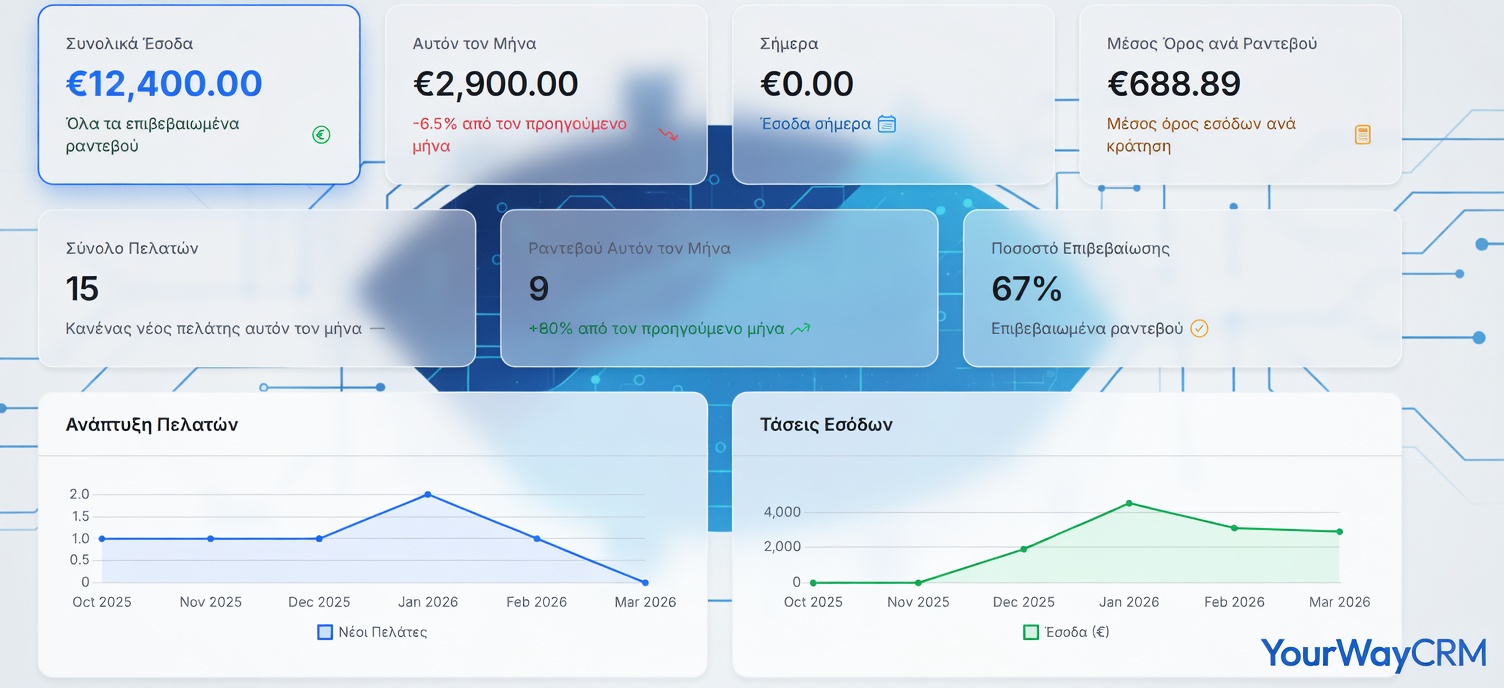
CRM and Cold Outreach: A Winning Combination
Cold outreach can feel intimidating for small business owners. You're reaching out to prospects who don't know you, trying to spark interest in your products or services. But here's the truth: cold outreach doesn't have to be a shot in the dark. When you combine it with a robust CRM system, you transform cold outreach from a risky gamble into a strategic, data-driven process that actually works.
In this guide, we'll explore how CRM and cold outreach work together to create a powerful sales engine for your business. You'll learn practical strategies to implement immediately and see real results.
Why Cold Outreach Matters for Small Businesses
Let's face it: most small businesses can't rely solely on inbound leads and referrals. You need a proactive approach to grow your customer base. Cold outreach is that approach. It allows you to:
- Expand your addressable market beyond your current network
- Build a consistent pipeline of qualified prospects
- Control your growth timeline rather than waiting for leads to come to you
- Test new market segments and customer personas
However, cold outreach without proper organization and tracking quickly becomes chaotic. This is where CRM software becomes essential.
The CRM Advantage in Cold Outreach
A CRM system is your command center for cold outreach campaigns. It keeps everything organized, trackable, and scalable. Here's what a good CRM does for your cold outreach efforts:
Centralized Contact Management
Instead of juggling spreadsheets and losing track of conversations, a CRM stores all your prospect information in one place. You can segment contacts by industry, company size, location, or any other criteria relevant to your business. This organization is crucial when reaching out to hundreds or thousands of cold prospects.
Interaction Tracking
Every email, call, and touchpoint with a prospect is logged automatically in your CRM. This means you'll never forget where you left off in a conversation. Your team members can see the full history and continue the relationship seamlessly, increasing your chances of conversion.
Follow-Up Automation
Cold outreach requires persistence. Most prospects won't respond to your first message. With a CRM, you can set up automated follow-up sequences that remind you to reach out again at the right time. This keeps your pipeline moving without requiring manual effort for every single follow-up.
Performance Metrics and Insights
A quality CRM provides analytics on your cold outreach campaigns. You can see which email templates get the most opens, which subject lines drive responses, and which prospects are most likely to convert. These insights let you continuously improve your approach.
Building Your Cold Outreach Strategy with CRM
Step 1: Build Your Prospect List
Start by identifying your ideal customer profile. Who are they? What industry are they in? What size is their company? What challenges do they face? Use this information to build a list of prospects that match your criteria. Import this list into your CRM to get started.
Step 2: Personalize Your Outreach
Generic cold emails get deleted. Your CRM allows you to segment prospects and tailor your messaging to different groups. Research each prospect before reaching out. Reference something specific about their company or a recent achievement. This personalization dramatically improves response rates.
Step 3: Create a Multi-Channel Approach
Don't rely on email alone. Use your CRM to coordinate outreach across multiple channels: email, LinkedIn, phone calls, and even direct mail for high-value prospects. A platform like YourWayCRM helps you manage all these touchpoints from one dashboard, ensuring consistent and coordinated outreach.
Step 4: Set Up Automated Workflows
Once a prospect responds or reaches a certain engagement level, trigger automated workflows in your CRM. These might include sending additional resources, scheduling follow-up calls, or moving prospects into nurture sequences. Automation keeps your pipeline flowing without overwhelming your team.
Step 5: Track and Optimize
Monitor your cold outreach metrics religiously. Which campaigns have the highest response rates? Which prospects are most likely to become customers? Use these insights to refine your approach. Small improvements in response rates compound into significant revenue growth over time.
Best Practices for Cold Outreach with CRM
- Keep your data clean: Regularly update contact information and remove unresponsive prospects. Accurate data is the foundation of effective outreach.
- Respect boundaries: Follow anti-spam laws and unsubscribe requests. Your reputation is worth more than any single sale.
- Use templates strategically: Create email templates for different scenarios, but always personalize the opening and key details.
- Train your team: Make sure everyone using your CRM understands the system and follows your cold outreach process consistently.
- Balance automation and human touch: While automation handles routine tasks, your sales team should focus on building genuine relationships with high-potential prospects.
The Results You Can Expect
When you combine a strategic cold outreach approach with a powerful CRM system, the results speak for themselves. Small businesses using this combination typically see:
- Increased response rates from cold outreach (often 10-20% or higher with personalization)
- Shorter sales cycles due to consistent follow-up and tracking
- Higher conversion rates as you refine your targeting and messaging
- Better team productivity with automated workflows handling routine tasks
- Predictable revenue growth from a consistent pipeline of qualified prospects
Get Started Today
Cold outreach doesn't have to be overwhelming. By implementing a CRM system designed for small businesses and following a strategic approach, you can build a reliable sales engine that drives consistent growth. The key is to start simple, track everything, and continuously optimize based on your results.
Whether you're using YourWayCRM or another platform, commit to the process. Cold outreach combined with CRM is a winning combination that separates thriving small businesses from those that struggle to grow. Your next best customer is out there—you just need the right tools and strategy to find them.