CRM's Role in Building Customer Advocacy Programs
Customer advocacy is one of the most powerful marketing tools available to small businesses. When your customers become your advocates, they promote your brand authentically, bringing in new business at a fraction of the cost of traditional marketing. However, building and managing a successful customer advocacy program requires more than just good intentions—it requires the right tools and strategy. This is where a robust CRM system becomes invaluable.
What is Customer Advocacy?
Customer advocacy goes beyond customer satisfaction. It's when your customers actively recommend your products or services to others, leave positive reviews, provide testimonials, and defend your brand in conversations. These advocates become extensions of your marketing team, sharing their genuine experiences with their networks.
For small businesses operating with limited marketing budgets, customer advocacy programs can be transformative. Word-of-mouth referrals from trusted sources carry more weight than any advertisement, and they come with built-in credibility.
Why CRM Systems Are Essential for Advocacy Programs
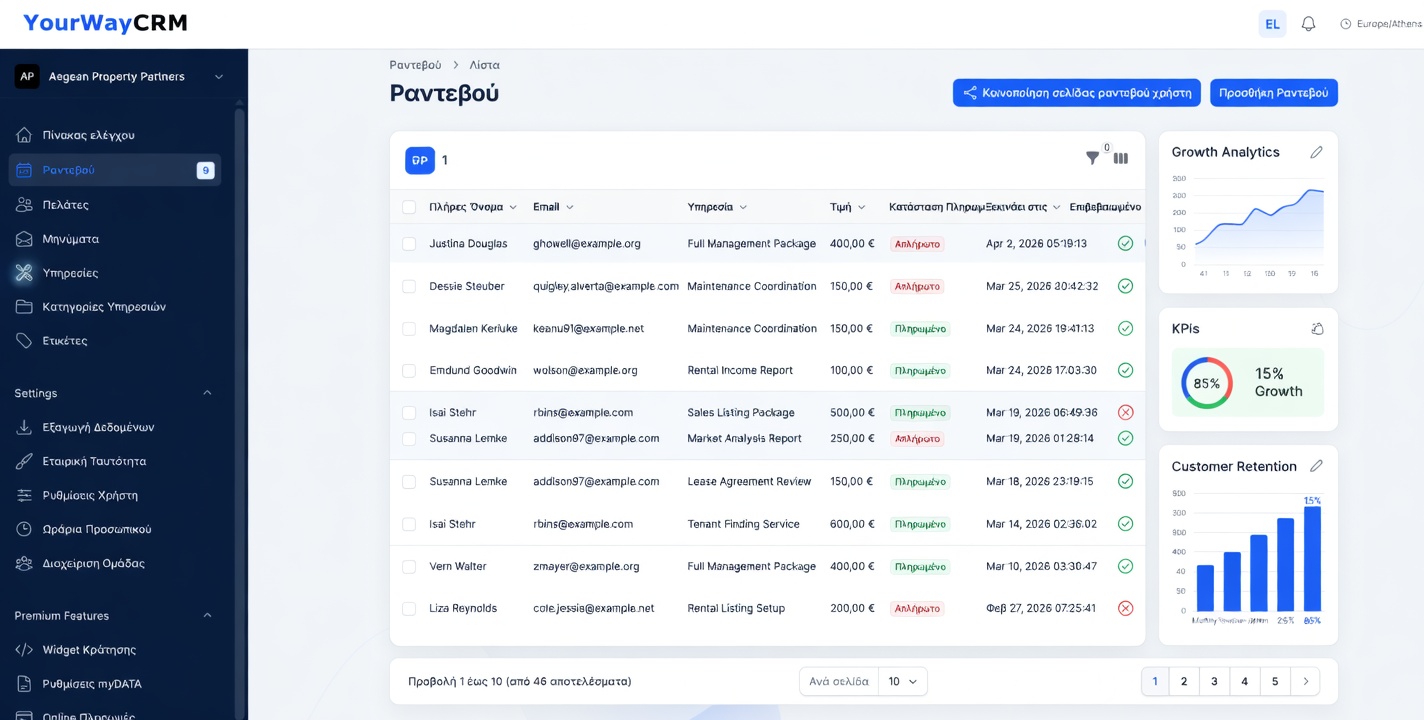
A CRM platform like YourWayCRM provides the infrastructure needed to identify, nurture, and reward your most loyal customers. Here's why it matters:
- Customer Insights: CRM systems track every interaction, purchase, and touchpoint, helping you understand which customers are most satisfied and likely to advocate for your brand.
- Segmentation: You can segment customers based on engagement levels, purchase history, and satisfaction scores to target your advocacy efforts effectively.
- Personalization: With detailed customer data, you can personalize your outreach, making advocates feel valued and appreciated.
- Automation: CRM automation streamlines the process of identifying advocates and delivering targeted requests for reviews, referrals, and testimonials.
Identifying Your Potential Advocates
Not all customers are equally likely to become advocates. The most valuable advocates are typically those who have experienced the most value from your product or service. A CRM system helps you identify these individuals through data analysis.
Look for customers who exhibit these characteristics:
- High purchase frequency and value
- Long customer lifetime with your business
- Positive engagement with your brand across channels
- Active on social media and likely to share content
- Responsive to your communications
YourWayCRM allows you to create custom reports and dashboards that highlight these high-potential advocates, making it easy to focus your efforts where they'll have the greatest impact.
Building Relationships with Advocates
Once you've identified potential advocates, the next step is nurturing these relationships. A CRM system enables you to maintain consistent, meaningful communication without overwhelming your team.
Consider these advocacy-building strategies:
- Regular Check-ins: Use your CRM to schedule regular touchpoints with key customers, ensuring they feel valued and heard.
- Exclusive Benefits: Create loyalty programs or exclusive perks for your most engaged customers, tracked through your CRM.
- Community Building: Use CRM data to create customer communities or forums where advocates can connect and share experiences.
- Feedback Loops: Systematically collect and act on customer feedback, showing that you value their input.
Making the Ask: Requesting Advocacy
When you've built strong relationships with potential advocates, asking them to promote your brand becomes natural. A CRM system helps you time these requests appropriately and personalize them based on individual customer preferences.
You might ask advocates to:
- Leave reviews on Google, Trustpilot, or industry-specific platforms
- Provide testimonials or case studies
- Refer friends and colleagues to your business
- Share your content on social media
- Participate in webinars or speaking opportunities
The key is making these requests at the right time—typically shortly after a positive customer experience—and making it as easy as possible for them to comply.
Tracking and Rewarding Advocacy
A comprehensive CRM system tracks every advocacy action, from referrals to reviews to social shares. This data is crucial for understanding what's working and for showing appreciation to your advocates.
Consider implementing a referral rewards program tracked through your CRM. This might include discounts, exclusive access to new features, or public recognition. When advocates see that their efforts are valued and rewarded, they're more likely to continue promoting your brand.
Measuring the Impact
To justify your investment in a customer advocacy program, you need to measure its results. Your CRM should provide clear metrics on:
- Number of referrals generated and their conversion rates
- Quality and quantity of reviews and testimonials
- Customer acquisition cost through advocacy versus other channels
- Lifetime value of customers acquired through advocacy
- Overall program ROI
These insights help you refine your approach and demonstrate the value of your advocacy efforts to stakeholders.
Getting Started with Advocacy Programs
Building a customer advocacy program doesn't require a massive overhaul of your operations. Start small by identifying your top 10-20 customers and reaching out personally to thank them and ask for their support. As you scale, implement a CRM system to automate and systematize the process.
YourWayCRM makes it easy for small business owners to manage customer relationships, track interactions, and build advocacy programs without requiring extensive technical expertise or a large team. With the right CRM in place, you can transform your satisfied customers into your most effective marketing channel.
Conclusion
Customer advocacy programs represent a significant opportunity for small businesses to grow through authentic, cost-effective marketing. By leveraging a CRM system to identify, nurture, and reward your most loyal customers, you create a sustainable engine for business growth. The result is a community of advocates who genuinely believe in your brand and actively promote it to others—the ultimate goal of any marketing strategy.