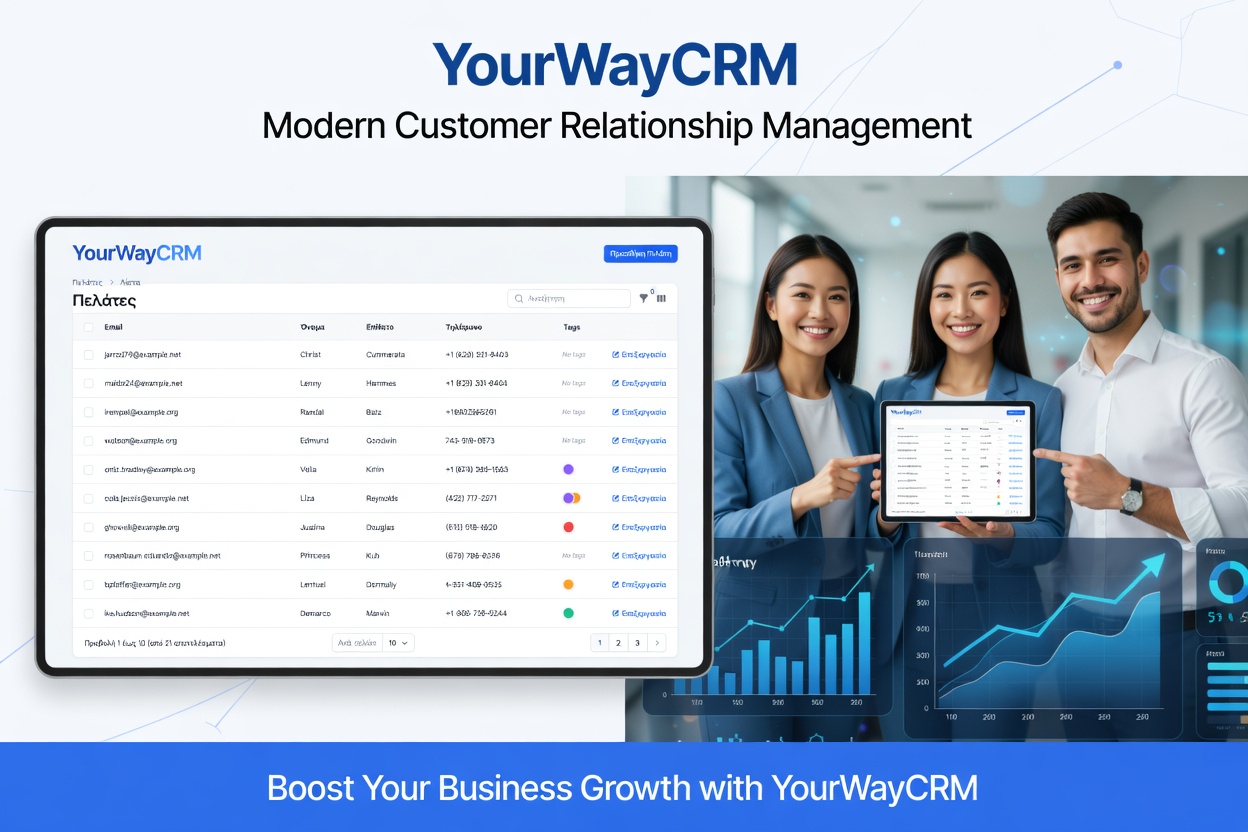
How CRM Enables Proactive Communication
In today's competitive business landscape, waiting for customers to reach out is no longer a viable strategy. Small business owners who take the initiative to communicate first gain a significant advantage in building loyalty and closing deals. A Customer Relationship Management (CRM) system is the secret weapon that makes proactive communication not just possible, but effortless.
Proactive communication means reaching out to customers before they ask, anticipating their needs, and staying top-of-mind throughout their journey. With a CRM platform like YourWayCRM, you can systematize this approach and ensure no opportunity slips through the cracks.
What Is Proactive Communication?
Proactive communication goes beyond responding to inquiries. It's about taking initiative to engage customers at the right time with the right message. Instead of waiting for a customer to contact you with a problem, you reach out first to offer solutions, share valuable insights, or remind them about your products and services.
For small businesses, this approach transforms customer relationships from transactional to consultative. You position yourself as a trusted advisor rather than just a vendor, which leads to higher customer satisfaction and increased lifetime value.
How CRM Systems Enable Proactive Communication
Centralized Customer Data
A CRM system serves as the central hub for all customer information. Every interaction, purchase history, preference, and note is stored in one accessible location. This comprehensive view enables you to understand each customer deeply and identify opportunities for meaningful engagement.
When you have complete customer data at your fingertips, you can personalize your communication and demonstrate genuine interest in their success. YourWayCRM makes it easy to access this information instantly, so you're always prepared to have informed conversations.
Automated Reminders and Follow-ups
One of the most powerful features of a CRM is automation. You can set up automated reminders to follow up with leads, check in with inactive customers, or congratulate clients on milestones. These automated touches maintain engagement without requiring constant manual effort.
Automated follow-ups ensure consistency across your team and eliminate the risk of forgotten customers. Whether it's a birthday greeting or a check-in after a purchase, these small gestures build strong relationships.
Predictive Analytics and Insights
Modern CRM systems use data to predict customer behavior and identify opportunities. You can spot patterns indicating when a customer might need your product again, which accounts are at risk of churning, or which prospects are most likely to convert.
These insights allow you to reach out at exactly the right moment with exactly the right offer. Instead of generic blasts, your communication becomes strategic and targeted.
Segmentation for Personalized Messaging
CRM systems allow you to segment your customer base by various criteria—industry, purchase history, engagement level, or lifecycle stage. This segmentation enables you to craft tailored messages that resonate with each group.
Personalized communication dramatically improves open rates, response rates, and conversion rates. Customers appreciate being treated as individuals, not generic contacts on a list.
Key Benefits of Proactive Communication
- Increased Customer Retention: Regular, thoughtful communication keeps your business top-of-mind and demonstrates that you value the relationship.
- Higher Customer Lifetime Value: Proactive customers are more likely to make repeat purchases and recommend you to others.
- Faster Sales Cycles: By reaching out before customers realize they need something, you can accelerate the buying process.
- Reduced Churn: Identifying at-risk customers early allows you to intervene before they leave.
- Competitive Advantage: Most small businesses are reactive. Being proactive sets you apart in your market.
- Better Team Alignment: A CRM ensures your entire team communicates consistently and knows what's been discussed with each customer.
Practical Ways to Use CRM for Proactive Communication
Schedule Regular Check-ins
Use your CRM to schedule periodic check-in calls or emails with key accounts. Set reminders to touch base quarterly or monthly depending on the relationship's importance. These touchpoints keep communication flowing and often uncover new opportunities.
Monitor Engagement Metrics
Track how customers engage with your emails, website, or social media. When engagement drops, that's your signal to reach out and re-engage. YourWayCRM helps you identify these patterns so you can act quickly.
Celebrate Customer Milestones
Use your CRM to track important dates—anniversaries, birthdays, business anniversaries. Reaching out on these occasions shows you care and strengthens emotional connections.
Provide Value Before Asking
Use your CRM insights to identify content, tips, or resources that would benefit specific customers. Share these proactively to position yourself as a helpful resource, not just a salesperson.
Create Drip Campaigns
Set up automated email sequences that nurture leads and customers over time. These campaigns deliver consistent value and keep your business in front of prospects throughout their decision-making process.
Getting Started with Proactive Communication
Implementing proactive communication doesn't require a massive overhaul. Start by auditing your current customer interactions. Are you mostly reactive? Identify the top 20% of customers who generate 80% of your revenue and commit to proactive engagement with them first.
Next, choose a CRM system that fits your business needs. YourWayCRM is designed specifically for small businesses, making it easy to implement proactive communication strategies without overwhelming complexity.
Finally, establish a communication rhythm. Decide how often you'll reach out to different customer segments and automate what you can. Consistency matters more than perfection.
Conclusion
Proactive communication is no longer a nice-to-have—it's essential for small business success. By leveraging a CRM system to organize customer data, automate follow-ups, and identify opportunities, you can transform your business relationships and drive sustainable growth. The businesses that master proactive communication will outpace their competitors and build the loyal customer base that fuels long-term success.