Why Home Service Businesses Need Better Client Management
Home service businesses thrive on recurring revenue. Whether you're running a landscaping company, cleaning service, HVAC business, or plumbing operation, your most valuable clients are the ones who come back month after month. Yet many home service owners still rely on spreadsheets, notebooks, or fragmented systems to manage these relationships.
This approach creates problems: missed appointments, forgotten client preferences, inconsistent service quality, and ultimately, lost customers. The solution lies in implementing a Customer Relationship Management (CRM) system designed for your industry's unique needs.
The Challenge of Managing Recurring Clients
Recurring clients present both opportunities and challenges. On one hand, they represent predictable revenue and lower customer acquisition costs. On the other hand, managing their preferences, schedules, and service history becomes complex as your business grows.
Consider these common pain points:
- Forgetting when clients need their next service
- Losing track of specific preferences or special instructions
- Double-booking appointments or scheduling conflicts
- Failing to follow up on past issues or complaints
- Missing opportunities to upsell or cross-sell services
- Struggling to maintain consistent service quality across your team
Without a centralized system, these issues multiply as your client base grows, directly impacting your bottom line.
How a CRM Transforms Client Management
A dedicated CRM system acts as your business's central nervous system for client relationships. It consolidates all client information, service history, preferences, and communication in one accessible location.
Automated Scheduling and Reminders
With a CRM like YourWayCRM, you can automate recurring service schedules. Set up monthly lawn maintenance or quarterly HVAC inspections once, and the system handles the rest. Automated reminders notify clients before their appointments, reducing no-shows and keeping your team's calendar optimized.
Centralized Client Profiles
Every team member can access complete client information instantly. This includes service history, special requests, payment methods, and communication preferences. Your technician knows Mrs. Johnson prefers afternoon appointments and has a dog before arriving at her home, creating a more personalized experience.
Service History and Notes
Document every interaction and service completed. These notes become invaluable for identifying patterns, addressing recurring issues, and providing continuity when different team members service the same client. You'll never miss important details that affect service quality.
Improved Scheduling Efficiency
Route optimization and intelligent scheduling ensure your team spends less time traveling and more time serving clients. A CRM helps you group nearby appointments, reducing fuel costs and increasing the number of clients your team can serve daily.
Building Stronger Client Relationships
A CRM doesn't just manage logistics—it strengthens relationships. When you consistently deliver personalized service and remember client preferences, you build loyalty that translates to long-term revenue.
Proactive Communication
Set up automated email or SMS campaigns to remind clients about seasonal services, maintenance tips, or special offers. These touchpoints keep your business top-of-mind without requiring manual effort from your team.
Identifying Upsell Opportunities
Your CRM tracks which clients have which services. If a client receives regular lawn care, you can identify opportunities to offer landscaping upgrades or seasonal services. These insights help grow revenue from your most valuable customers.
Quick Response to Issues
When a client reaches out with a problem, your team can immediately access their full history. This enables faster resolution and demonstrates genuine care for their satisfaction.
Key Features for Home Service CRMs
When selecting a CRM for your home service business, prioritize these features:
- Mobile Access: Your team needs to access client information on job sites, not just in the office
- Recurring Appointment Management: Automate scheduling for regular services
- Client Portal: Allow clients to book, reschedule, and pay online
- Payment Processing: Integrate billing to streamline invoicing and reduce payment delays
- Team Collaboration: Ensure all team members stay synchronized
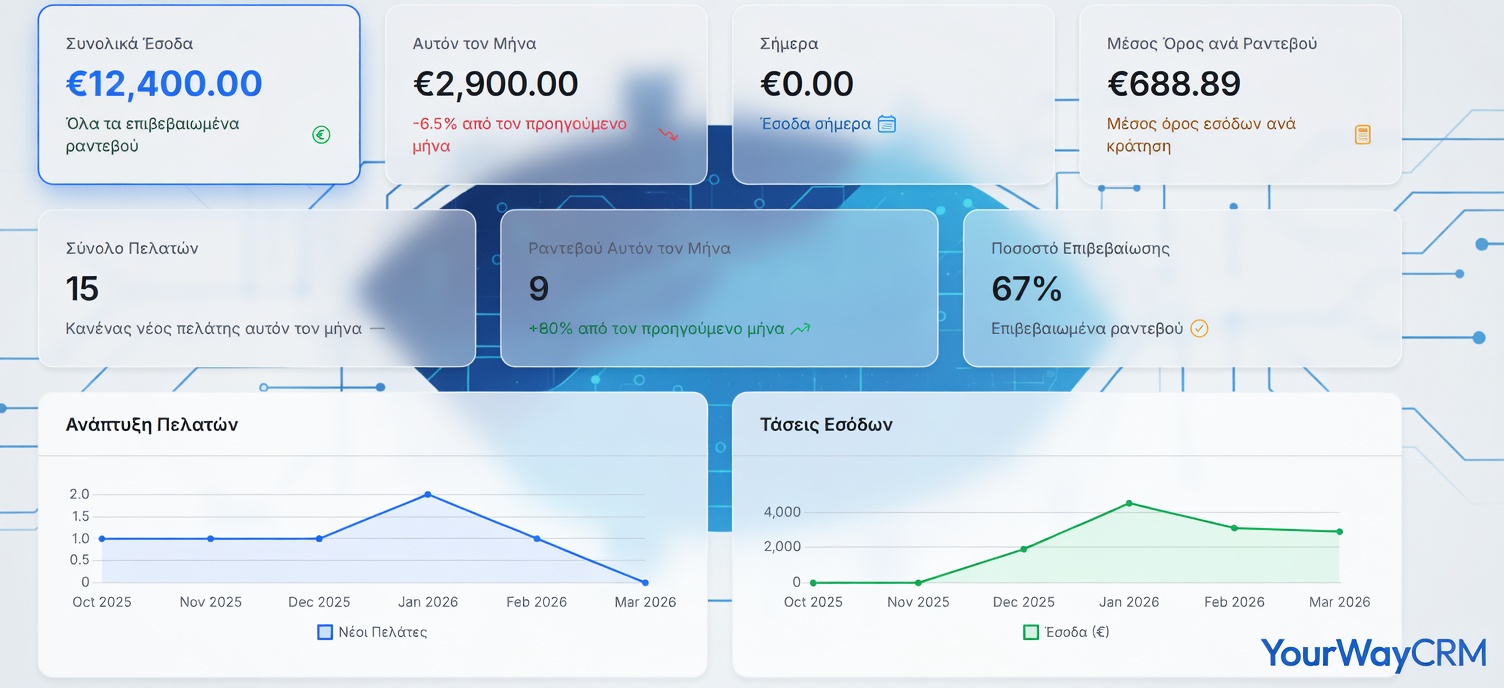
- Reporting and Analytics: Track key metrics like client retention and revenue per client
- Integration Capabilities: Connect with your existing accounting software and other tools
Getting Started with Your CRM Strategy
Implementing a CRM doesn't require a complete business overhaul. Start by identifying your most critical pain points. Are you struggling with scheduling? Losing track of client preferences? Forgetting follow-ups?
Choose a CRM that addresses these specific challenges. YourWayCRM, for example, is built specifically for small home service businesses, with features designed for your workflow rather than forcing you to adapt to enterprise software.
Begin with your most important clients, ensuring their information is complete and accurate. Train your team on the system, starting with basic features before exploring advanced capabilities. As adoption increases, you'll discover new ways the CRM improves efficiency and client satisfaction.
The Bottom Line
Recurring clients are the foundation of a profitable home service business. Managing them effectively requires more than good intentions—it demands a system that keeps you organized, helps your team deliver consistent quality, and creates opportunities for growth.
A CRM transforms how you manage these relationships, turning potential chaos into streamlined operations. The result: happier clients, more efficient teams, and a business positioned for sustainable growth.