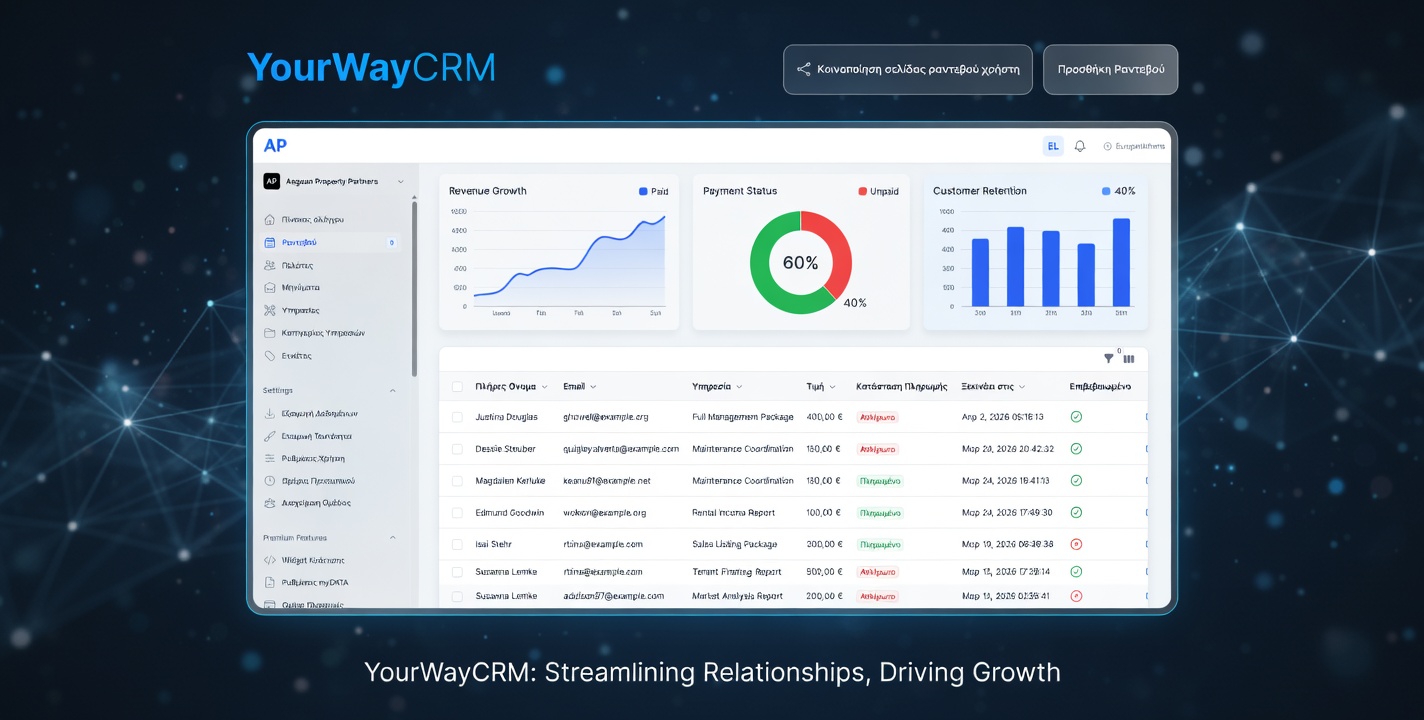
How CRM Improves Customer Experience
In today's competitive business landscape, customer experience has become the ultimate differentiator. Small business owners are constantly seeking ways to stand out and build loyal customer bases. One of the most powerful tools available is a Customer Relationship Management (CRM) system. But how exactly does a CRM improve customer experience? The answer lies in understanding the deep connection between data organization, personalization, and customer satisfaction.
Understanding the CRM and Customer Experience Connection
A CRM system is more than just a database—it's a strategic tool that helps businesses understand and serve their customers better. When implemented effectively, a CRM creates a foundation for exceptional customer experiences by ensuring every team member has access to the same customer information.
Think about the frustration customers feel when they have to repeat their story to different representatives. A CRM eliminates this problem by maintaining a complete customer history. Every interaction, purchase, preference, and concern is recorded in one accessible location. This means your sales team, customer service representatives, and marketing professionals all understand the customer's journey and needs.
Personalization at Scale
Modern customers expect personalized experiences. They want businesses to remember their preferences, acknowledge their history, and treat them as individuals rather than transaction numbers. This is where a CRM truly shines.
With a CRM like YourWayCRM, small business owners can:
- Track customer preferences and buying patterns
- Send personalized messages and offers based on customer behavior
- Remember important dates and milestones
- Tailor product recommendations to individual needs
- Create targeted campaigns that resonate with specific customer segments
When customers receive personalized attention, they feel valued. This emotional connection transforms casual buyers into loyal advocates who return repeatedly and recommend your business to others.
Faster Response Times and Better Service
Customer experience is heavily influenced by how quickly and effectively businesses respond to inquiries. A CRM system streamlines communication by automating routine tasks and ensuring nothing falls through the cracks.
With automated workflows, follow-up reminders, and centralized communication logs, your team can:
- Respond to customer inquiries faster
- Ensure consistent service quality across all touchpoints
- Reduce response time delays and missed opportunities
- Prioritize high-value customers appropriately
- Manage customer expectations with transparency
Speed matters. Studies show that customers who receive quick responses are significantly more satisfied and likely to remain loyal. A CRM enables your small business to compete with larger competitors by delivering enterprise-level service efficiency.
Building Stronger Customer Relationships
The foundation of great customer experience is genuine relationships. A CRM helps you build these relationships by enabling meaningful interactions at every stage of the customer journey.
From initial contact through post-purchase support, a CRM provides insights that allow your team to:
- Understand customer pain points and address them proactively
- Anticipate needs before customers express them
- Maintain consistent communication across all channels
- Celebrate customer milestones and achievements
- Create loyalty programs tailored to customer preferences
These relationship-building activities create emotional bonds that transcend transactional exchanges. Customers who feel genuinely understood and valued become brand ambassadors.
Data-Driven Decision Making
A CRM provides valuable analytics and insights that help small business owners make informed decisions about customer experience improvements. By analyzing customer data, you can identify trends, pain points, and opportunities for enhancement.
This data-driven approach allows you to:
- Identify which customer segments are most satisfied
- Recognize patterns in customer behavior and preferences
- Measure the effectiveness of customer experience initiatives
- Allocate resources to high-impact improvements
- Demonstrate ROI on customer experience investments
Consistency Across Your Organization
When multiple team members interact with customers, consistency becomes challenging. A CRM ensures that every customer receives the same quality of service and experience, regardless of which team member they interact with.
This organizational consistency builds trust and professionalism. Customers appreciate knowing that they'll receive reliable, high-quality service every time they engage with your business.
The Bottom Line
The relationship between customer experience and CRM is straightforward: a well-implemented CRM system enables small businesses to deliver exceptional customer experiences that drive loyalty, increase lifetime value, and generate positive word-of-mouth marketing. By centralizing customer information, enabling personalization, improving response times, and providing actionable insights, a CRM becomes an essential tool for any small business committed to customer success.
If you're looking to elevate your customer experience, YourWayCRM offers the tools and features designed specifically for small business owners who want to build lasting customer relationships without the complexity of enterprise solutions.