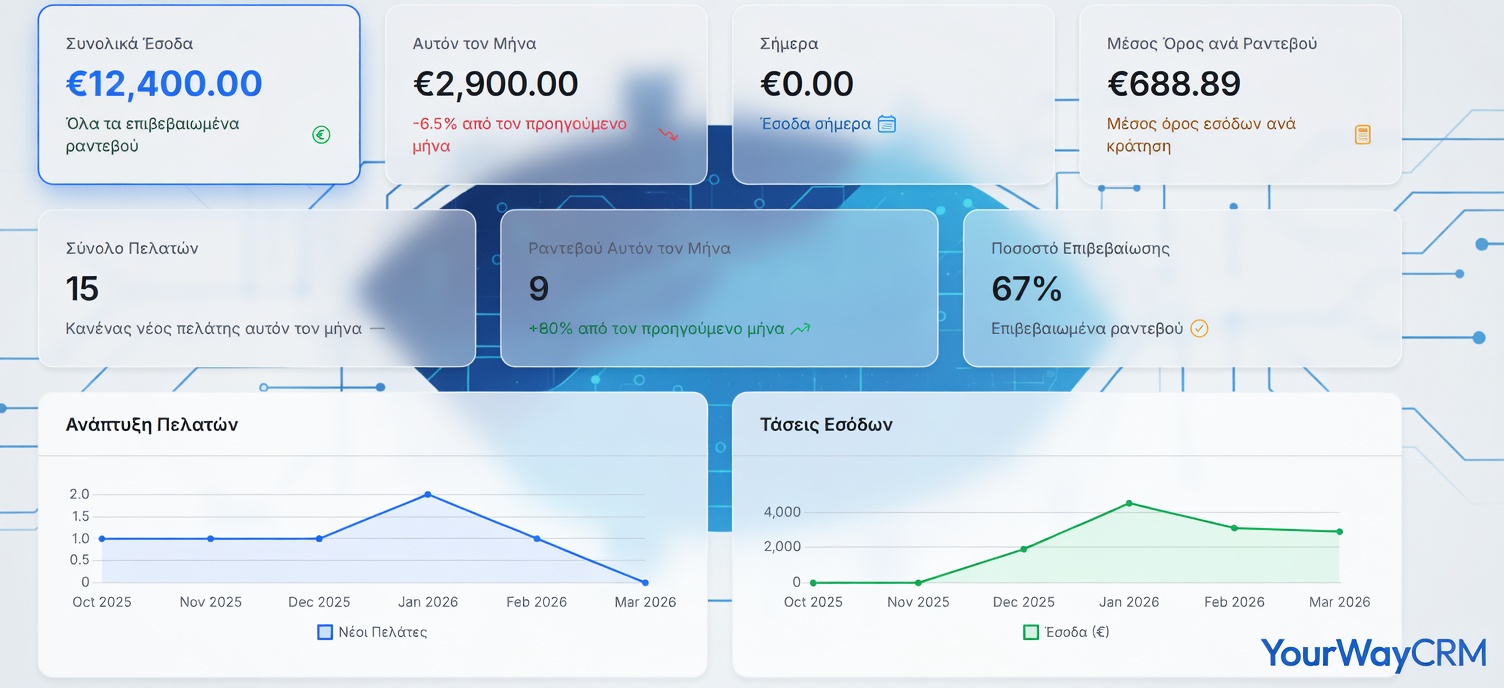
CRM Improves Post-Sale Customer Support
The sale doesn't end when the customer signs the contract. In fact, that's when the real relationship begins. Post-sale customer support is critical for building loyalty, encouraging repeat business, and generating positive referrals. Yet many small business owners struggle to deliver consistent, personalized support after the initial transaction.
This is where a Customer Relationship Management (CRM) system becomes invaluable. A robust CRM platform helps you organize customer information, track interactions, and deliver exceptional support that keeps customers coming back. Let's explore how CRM improves post-sale customer support and why it matters for your business.
Centralized Customer Information at Your Fingertips
One of the biggest challenges in post-sale support is having quick access to customer history and details. When a customer contacts you with a question or issue, your team needs immediate context about their purchase, preferences, and previous interactions.
A CRM system stores all customer information in one centralized location. Your support team can instantly access:
- Purchase history and order details
- Previous support tickets and resolutions
- Customer preferences and communication history
- Product or service specifics they purchased
- Any special notes or requirements
With YourWayCRM, for example, your entire team sees the complete customer picture. This eliminates the frustration of customers having to repeat information and enables your support staff to provide faster, more informed solutions.
Streamlined Ticket Management and Tracking
Post-sale issues don't resolve themselves. Customers expect timely responses and updates on their support requests. Without proper tracking, tickets can fall through the cracks, leading to frustrated customers and damaged reputation.
A CRM system automates ticket creation, assignment, and tracking. When a customer submits a support request, the CRM automatically:
- Creates a ticket with all relevant information
- Assigns it to the appropriate team member
- Sets reminders for follow-up
- Tracks resolution time and status
- Maintains a complete audit trail
This systematic approach ensures no customer falls through the cracks and every issue receives proper attention. You can also identify patterns in support issues, helping you improve products or services proactively.
Personalized Communication at Scale
Customers appreciate when businesses remember their preferences and tailor communication to their needs. However, maintaining personalized relationships with dozens or hundreds of customers is practically impossible without the right tools.
A CRM enables you to:
- Segment customers by purchase type, industry, or behavior
- Send targeted follow-up messages and check-ins
- Automate personalized emails based on customer actions
- Track communication preferences (email, phone, SMS)
- Create templates that feel personal, not generic
With these capabilities, you can nurture relationships at scale. A customer who purchased a specific product receives relevant support content and offers. Those who haven't engaged recently get a personalized check-in. This level of attention builds loyalty and increases customer lifetime value.
Proactive Support and Issue Prevention
The best customer support is preventing problems before they occur. A CRM system helps you shift from reactive to proactive support.
By analyzing customer data, you can identify:
- Customers likely to need support based on their purchase
- Common issues that need addressing
- Customers at risk of churn
- Opportunities to upsell or cross-sell
For instance, if you notice that customers who purchase a specific product often have questions within the first week, you can proactively send helpful resources or schedule a check-in call. This prevents frustration and demonstrates that you care about their success.
Improved Team Collaboration and Efficiency
Post-sale support often involves multiple team members—sales representatives, support specialists, account managers, and more. Without coordination, customers may receive conflicting information or duplicate outreach.
A CRM centralizes communication and collaboration by:
- Providing visibility into all customer interactions across the team
- Enabling internal notes and handoffs between team members
- Reducing duplicate efforts and miscommunication
- Creating accountability for follow-ups
- Supporting knowledge sharing across the organization
When your entire team works from the same system, customers receive consistent, coordinated support regardless of who they interact with.
Measurable Insights and Continuous Improvement
To improve post-sale support, you need data. A CRM provides detailed analytics on support metrics, including:
- Average response time
- First-contact resolution rate
- Customer satisfaction scores
- Support costs and efficiency
- Common issues and trends
These insights help you identify bottlenecks, train your team more effectively, and allocate resources where they're needed most. You can set goals, track progress, and celebrate improvements.
Building Long-Term Customer Loyalty
Ultimately, excellent post-sale support builds loyalty. Customers who feel supported and valued return for repeat purchases and recommend your business to others. This is where the real ROI of CRM shines—it transforms one-time buyers into loyal advocates.
By using a CRM like YourWayCRM to deliver consistent, personalized, and efficient post-sale support, you create experiences that customers remember and appreciate. The result is stronger relationships, higher retention rates, and sustainable business growth.
Take Action Today
If your post-sale support is currently managed through scattered emails, spreadsheets, or memory, it's time for a change. Implementing a CRM system is one of the smartest investments small business owners can make. Start by identifying your biggest post-sale support challenges and look for a CRM solution that addresses those specific needs. Your customers—and your bottom line—will thank you.