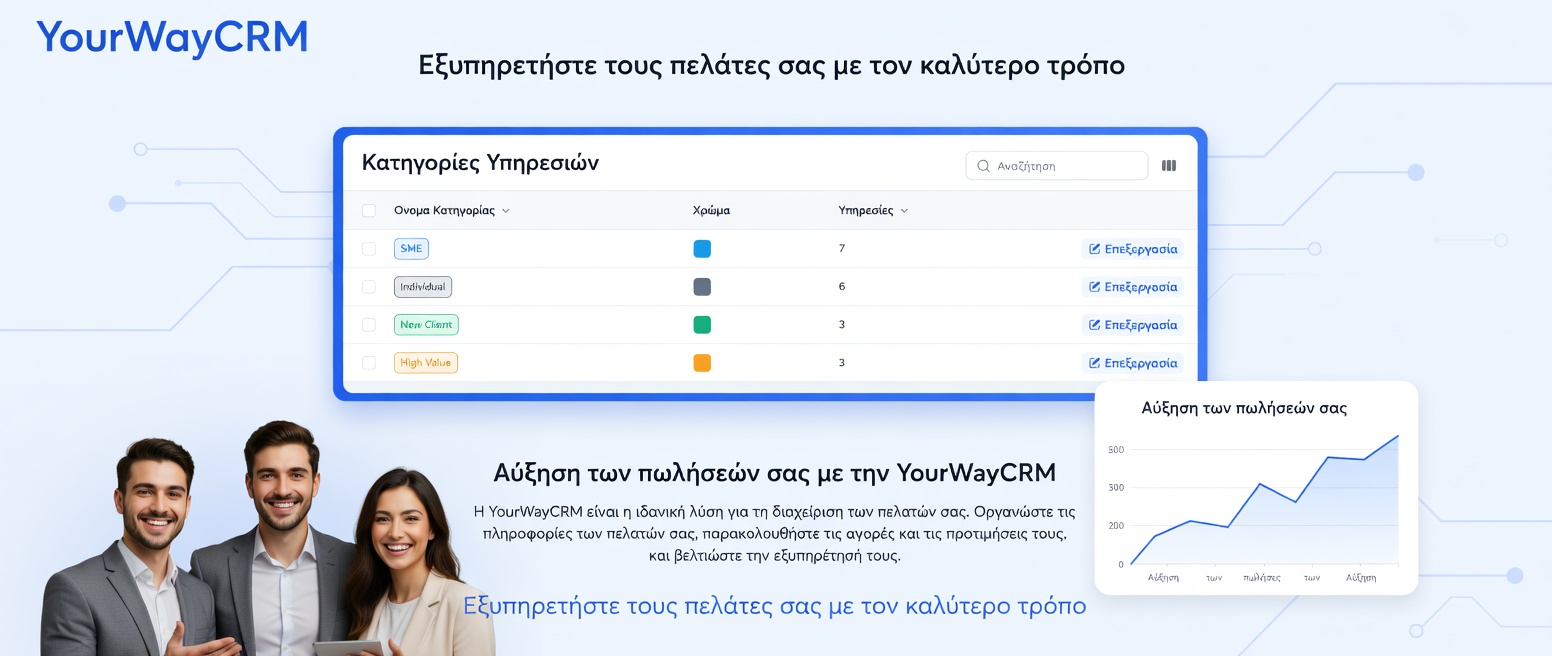
Using CRM to Manage Your Sales Territory
Managing a sales territory effectively is crucial for small business growth. Whether you're a solo entrepreneur or managing a team of sales representatives, organizing your territory strategically can significantly impact your bottom line. A Customer Relationship Management (CRM) system like YourWayCRM provides the tools you need to streamline territory management and maximize sales potential.
Why Sales Territory Management Matters
Sales territory management involves dividing your market into specific regions or customer segments and assigning them to sales representatives. Without proper organization, you risk duplicating efforts, missing opportunities, and losing revenue. A well-managed territory ensures every potential customer receives attention and every salesperson knows exactly what they're responsible for.
Effective territory management leads to:
- Increased sales productivity and efficiency
- Better customer relationships and satisfaction
- Reduced overlap and wasted effort
- More accurate sales forecasting
- Higher employee motivation and accountability
How CRM Streamlines Territory Management
A CRM system centralizes all customer information and sales activities in one accessible platform. This visibility allows you to see which accounts belong to each territory, track progress toward goals, and identify gaps in coverage. YourWayCRM helps you organize customer data by location, industry, company size, or any other criteria that makes sense for your business.
With a CRM, you can:
- Assign leads and accounts to specific sales reps
- Track all customer interactions and communication history
- Monitor sales pipeline progress for each territory
- Generate territory-specific performance reports
- Identify upsell and cross-sell opportunities within each area
Setting Up Your Sales Territories
Before implementing territory management in your CRM, determine how to divide your market. Common approaches include geographic regions, industry verticals, company size, or customer value. For small businesses, geographic territories often work best, especially if you have a local or regional focus.
Once you've decided on your territory structure, input this information into your CRM. YourWayCRM allows you to create custom fields and categories that match your business model. Assign each customer and prospect to the appropriate territory, then assign territories to your sales team members. This creates a clear framework where everyone understands their responsibilities.
Tracking Territory Performance
One of the greatest advantages of using a CRM for territory management is the ability to track performance metrics. Monitor key indicators like:
- Number of new leads generated per territory
- Conversion rates by territory
- Average deal size and sales cycle length
- Customer retention rates
- Revenue generated per territory
YourWayCRM's reporting features allow you to generate detailed analytics for each territory, helping you identify which areas are thriving and which need attention. This data-driven approach enables you to make informed decisions about resource allocation and territory adjustments.
Balancing Workload and Opportunity
A well-managed CRM helps ensure fair workload distribution among your sales team. Some territories naturally have more potential than others, so monitor account distribution to prevent burnout or unfair advantage. Use your CRM to analyze territory potential based on existing accounts, market size, and growth opportunities.
If you notice imbalances, adjust territory boundaries or account assignments accordingly. Regular reviews ensure each salesperson has a realistic opportunity to meet their goals, which boosts morale and retention.
Improving Customer Relationships
Territory management isn't just about organization—it's about building stronger customer relationships. When customers work with the same sales representative consistently, they develop trust and familiarity. A CRM ensures your reps have complete visibility into every customer interaction, allowing them to provide personalized service and anticipate customer needs.
Use your CRM to schedule follow-ups, track customer preferences, and maintain consistent communication. This level of attention strengthens relationships and increases customer loyalty within each territory.
Scaling Your Sales Efforts
As your business grows, territory management becomes increasingly important. A CRM system scales with you, allowing you to add new territories, sales reps, and customers without losing control. YourWayCRM's flexible platform accommodates businesses of all sizes, making it easy to expand your sales operation strategically.
When you're ready to hire additional sales staff, your CRM makes onboarding faster and easier. New reps can quickly see their assigned accounts, understand the customer history, and start building relationships immediately.
Best Practices for Territory Management
To maximize your CRM's effectiveness in managing sales territories, follow these best practices:
- Keep data current: Regularly update customer information and territory assignments in your CRM
- Set clear goals: Define specific, measurable objectives for each territory
- Review regularly: Schedule monthly or quarterly reviews to assess territory performance
- Communicate clearly: Ensure all team members understand territory boundaries and expectations
- Provide training: Help your sales team maximize CRM features to manage their territories effectively
- Adjust as needed: Be willing to modify territories based on market changes and performance data
Conclusion
Effective sales territory management is essential for small business success. By leveraging a CRM system like YourWayCRM, you gain the visibility, organization, and insights needed to optimize your sales operation. From setting up territories and tracking performance to improving customer relationships and scaling your efforts, a CRM transforms how you manage your sales team and revenue growth. Start implementing these strategies today and watch your sales productivity soar.