CRM Tools for Managing Long Sales Cycles
Long sales cycles are a reality for many small businesses—whether you're selling enterprise software, construction services, or B2B consulting. When deals take months or even years to close, staying organized becomes critical. Without the right system, leads slip through the cracks, follow-ups get forgotten, and opportunities are lost. That's where a CRM system becomes invaluable.
A Customer Relationship Management platform helps you track every interaction, maintain consistent communication, and ensure no opportunity falls behind. Let's explore how CRM tools can transform the way you manage extended sales processes.
Understanding Long Sales Cycles
A long sales cycle typically involves multiple stakeholders, several decision-making stages, and extended timeframes between initial contact and purchase. Industries like manufacturing, real estate, and professional services commonly experience these lengthy processes.
The challenges are significant:
- Difficulty remembering where each prospect stands in the pipeline
- Inconsistent communication across your sales team
- Lost context between follow-up conversations
- Inability to predict revenue accurately
- Missed opportunities due to poor tracking
Without proper management, your sales team wastes time searching for information and wondering when to follow up next. This inefficiency costs you deals and revenue.
How CRM Systems Streamline Long Sales Cycles
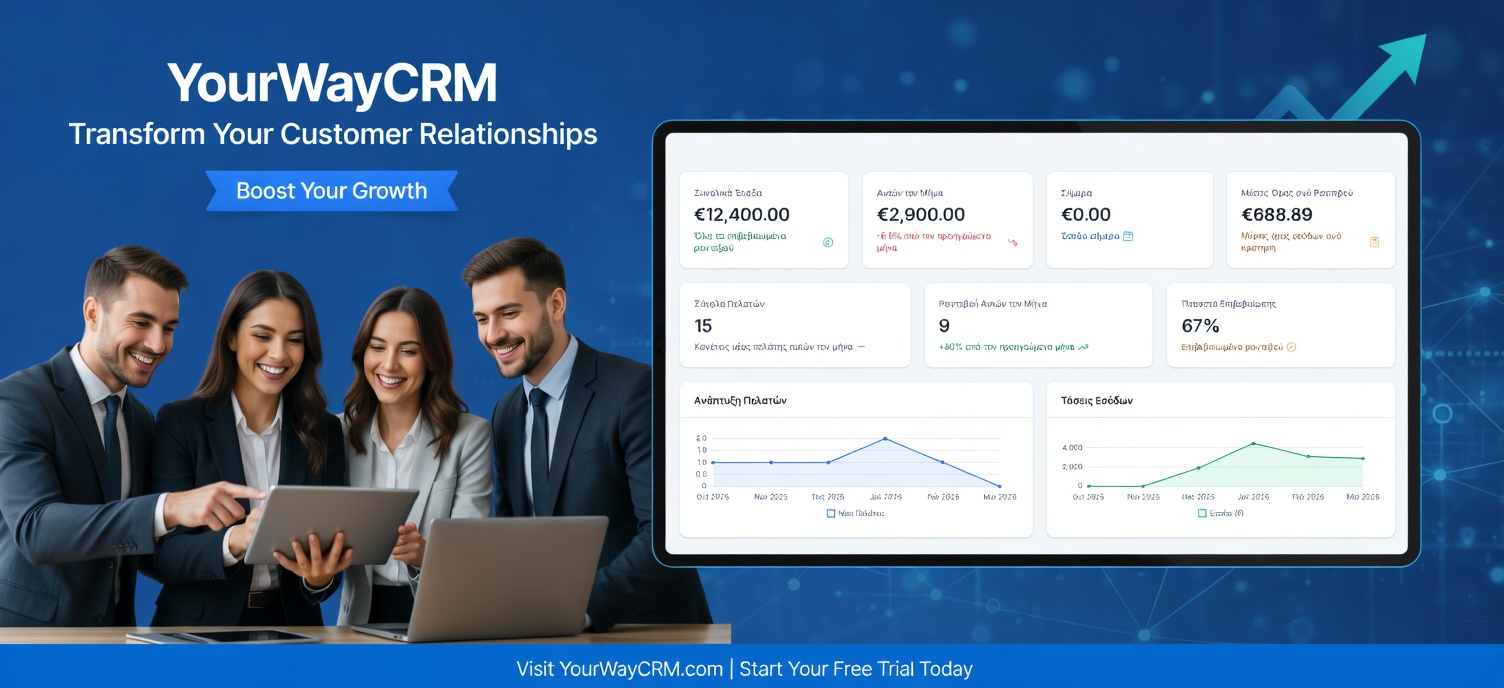
A CRM platform like YourWayCRM centralizes all customer information and sales activities in one accessible location. Here's how it makes managing long cycles easier:
Centralized Deal Tracking
Every interaction—calls, emails, meetings, proposals—is recorded in your CRM. Your entire team can see the complete history of each deal, understanding exactly where prospects stand without having to ask colleagues or dig through old emails. This transparency ensures consistency and prevents duplicate efforts.
Automated Follow-Up Reminders
Long sales cycles mean plenty of waiting periods. CRM systems let you set automated reminders so you never miss a critical follow-up. Whether it's checking in after a proposal or reconnecting with a cold lead, your CRM ensures timely action without manual tracking.
Pipeline Visibility
A visual sales pipeline shows you exactly how many deals are in each stage and their estimated values. This visibility helps you forecast revenue more accurately and identify bottlenecks where deals are stalling. You can quickly spot which prospects need attention and which are moving smoothly toward closure.
Document and Proposal Management
Long cycles often involve multiple proposals, contracts, and supporting documents. CRM platforms store everything in one place, associated with the correct deal. You'll never waste time searching for "that proposal we sent last quarter" again.
Team Collaboration
When multiple team members are involved in a long sales process, communication is essential. CRM systems allow your team to add notes, share updates, and collaborate on deals without leaving the platform. This ensures everyone stays informed and can step in seamlessly if a colleague is unavailable.
Best Practices for Long Sales Cycle Management
Simply implementing a CRM isn't enough—you need to use it strategically. Here are proven practices for managing extended sales processes:
Define Clear Sales Stages
Break your sales process into distinct stages: prospect, qualified lead, proposal, negotiation, and closed. Each stage should have clear criteria for advancement. This structure helps your team understand where deals stand and what actions are needed next.
Set Regular Touchpoint Schedules
Don't leave follow-ups to chance. Plan your communication cadence—perhaps a touchpoint every two weeks or monthly check-ins. Use your CRM to schedule these consistently so relationships stay warm throughout the cycle.
Track Decision Makers
Long cycles often involve multiple decision makers. Use your CRM to document each stakeholder's role, concerns, and preferences. This knowledge helps you tailor your approach and address objections more effectively.
Measure Sales Cycle Length
Track how long deals typically take to close from initial contact to signature. Understanding your average cycle length helps you forecast better and identify when deals are taking longer than expected, signaling potential problems.
Create a Content Library
Develop case studies, whitepapers, and educational materials that address common objections and questions. Store these in your CRM so your team can easily share relevant resources at each stage of the cycle.
The Impact on Your Bottom Line
Implementing a CRM system for long sales cycle management delivers measurable results. Businesses typically see:
- Shorter average sales cycles due to better tracking and follow-up
- Higher close rates from consistent nurturing
- Improved revenue forecasting accuracy
- Better resource allocation across your sales team
- Increased customer satisfaction through personalized communication
YourWayCRM makes it easy for small businesses to implement these practices without complexity. The platform is designed specifically for growing companies managing complex sales processes, offering intuitive pipeline management and automated workflows that adapt to your unique sales cycle.
Getting Started with CRM for Long Sales Cycles
If you're currently managing long sales cycles with spreadsheets, email, and hope, it's time for a change. Start by evaluating your current process: Where are deals getting stuck? What information do team members struggle to find? What follow-ups are being missed?
These pain points are exactly what a CRM system solves. By centralizing information, automating reminders, and providing visibility into your pipeline, you'll dramatically improve your ability to close deals faster and more predictably.
Your long sales cycles don't have to be a weakness. With the right CRM system in place, they become a competitive advantage—allowing you to build deeper relationships, demonstrate consistent value, and close bigger deals than competitors who lack this visibility and structure.