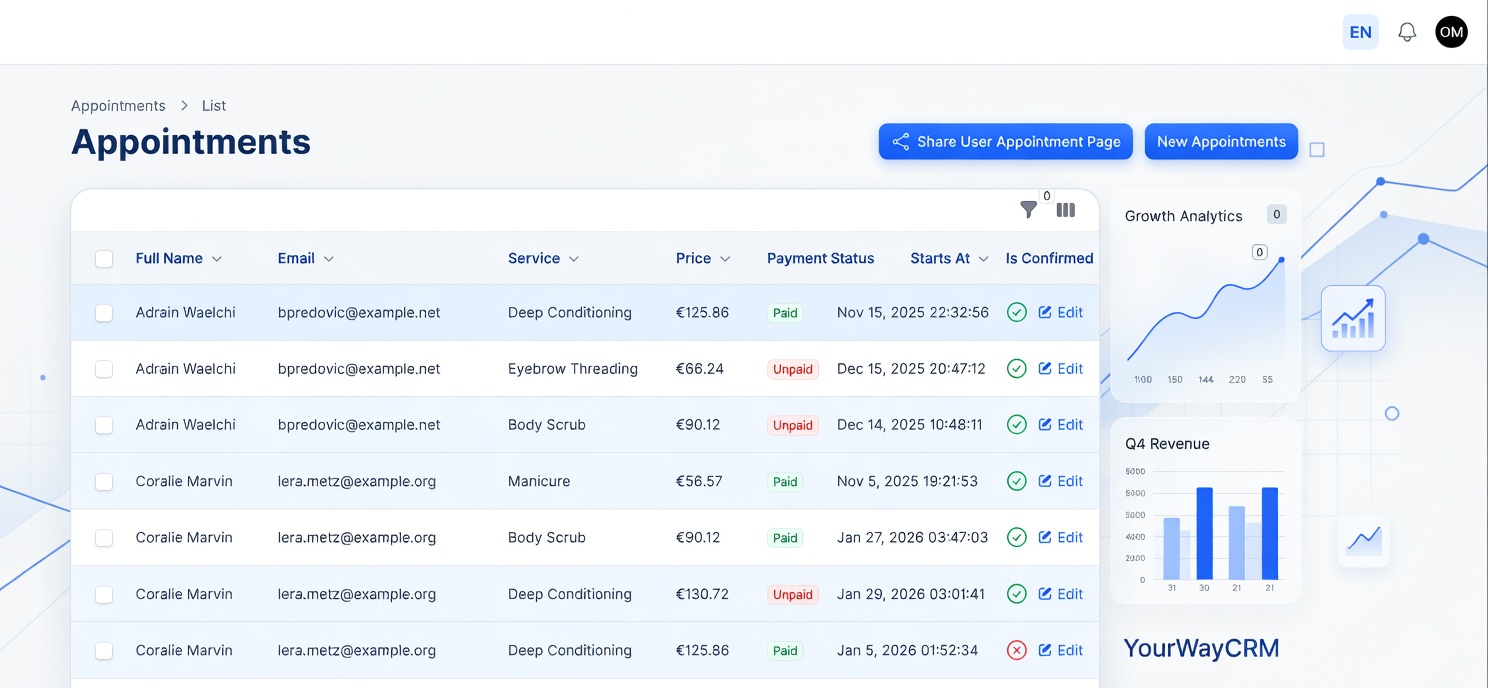
How CRM Helps with Price Negotiation Tracking
Price negotiations are a critical part of the sales process for most small businesses. Whether you're selling products, services, or both, managing multiple price negotiations simultaneously can quickly become overwhelming. Without proper tracking, you risk losing valuable information, making inconsistent offers, or missing follow-up opportunities. This is where a Customer Relationship Management (CRM) system becomes invaluable.
A robust CRM platform helps you centralize all price negotiation data, ensuring every team member has access to the same information. In this guide, we'll explore how CRM systems streamline price negotiation tracking and why your small business needs this capability.
Why Price Negotiation Tracking Matters
Price negotiations are rarely straightforward. Clients often request discounts, bulk pricing, or special terms. Without a structured system to track these conversations, you might:
- Offer different prices to similar clients, creating fairness issues
- Forget important details from previous conversations
- Miss critical follow-up dates
- Struggle to understand which negotiation strategies work best
- Waste time searching through emails for pricing history
Effective price negotiation tracking prevents these problems and gives your sales team a competitive advantage. It ensures consistency, professionalism, and better decision-making throughout the sales cycle.
Key Benefits of CRM for Negotiation Tracking
Centralized Information Storage
A CRM system like YourWayCRM keeps all negotiation details in one place. Instead of scattered emails and spreadsheets, your team accesses a unified record of every price discussion, counteroffer, and agreement. This centralization means:
- New team members can quickly understand negotiation history
- You maintain accurate records for compliance and auditing
- Information is always current and accessible from anywhere
- You reduce the risk of miscommunication between departments
Real-Time Visibility and Collaboration
When multiple team members work on a deal, communication gaps often occur. A CRM provides real-time visibility into negotiation status. Sales reps can update pricing discussions, and managers instantly see where deals stand. This transparency enables better collaboration and faster decision-making.
Consistent Pricing Strategies
Price consistency is crucial for maintaining customer relationships and protecting profit margins. CRM systems help you establish and follow pricing guidelines. You can set approval workflows for discounts, track which price points were offered, and ensure your team doesn't undercut established pricing without authorization.
Improved Deal Velocity
When negotiation history is readily available, your team responds faster to client requests. Instead of spending time researching previous conversations, they can quickly reference past offers and move negotiations forward. This speed often translates to closing deals faster.
Essential Features for Negotiation Tracking
Deal Stages and Pipelines
A good CRM organizes deals into clear stages. For price negotiations, this might include "Initial Quote," "Negotiation In Progress," "Awaiting Client Response," and "Final Terms Agreed." Tracking deals through these stages gives you visibility into how many negotiations are active and at what stage.
Custom Fields and Notes
Every negotiation is unique. CRM systems allow you to create custom fields to capture specific information—original price, discount offered, client budget constraints, or negotiation deadline. Detailed notes sections let team members document the reasoning behind price adjustments and key discussion points.
Activity Tracking and Timelines
CRM platforms automatically log all interactions—emails, calls, and meetings. This creates a complete timeline of the negotiation process. You can see exactly when offers were made, when clients responded, and what agreements were reached.
Automated Reminders and Follow-ups
Negotiations often stall because follow-ups are missed. CRM systems can automatically remind your team about pending negotiations, upcoming decision deadlines, or clients who haven't responded to offers. This automation ensures nothing falls through the cracks.
Best Practices for Using CRM in Price Negotiations
Document Everything
Make it a habit to record every price discussion, offer, and client request in your CRM. Even informal conversations should be noted. This documentation creates accountability and provides valuable context for future interactions.
Establish Clear Approval Workflows
Define who can approve price discounts and at what levels. Use your CRM's workflow features to route discount requests for approval, ensuring consistency and preventing unauthorized pricing.
Use Reporting to Analyze Trends
CRM reporting capabilities help you understand negotiation patterns. Which price points do clients typically accept? How long do negotiations usually take? What discount ranges impact your margins? These insights help you refine your negotiation strategy.
Train Your Team
Ensure all team members understand how to use the CRM for negotiation tracking. Consistent usage across your team maximizes the system's value and ensures data quality.
Conclusion
Price negotiation tracking is no longer something you can manage with spreadsheets and email alone. A comprehensive CRM system like YourWayCRM provides the structure, visibility, and tools your small business needs to negotiate effectively and close deals faster. By centralizing negotiation data, enabling team collaboration, and maintaining pricing consistency, you'll improve both your sales performance and customer relationships.
If you're still managing negotiations manually, now is the time to implement a CRM solution that works for your business. The efficiency gains and revenue impact will quickly justify the investment.