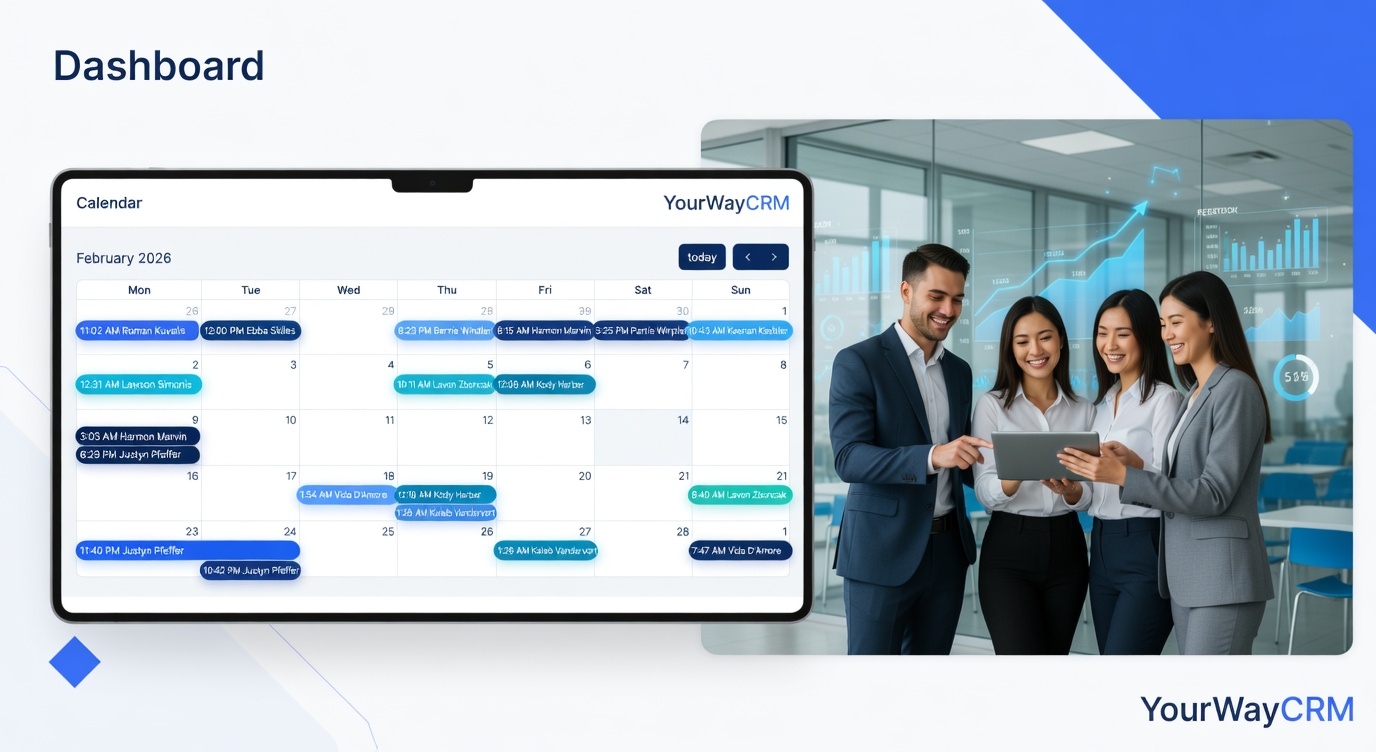
How CRM Helps You Re-Engage Inactive Customers
Every small business faces the same challenge: customers who once purchased regularly suddenly go quiet. These inactive customers represent untapped revenue opportunities, yet many business owners don't have a systematic way to bring them back. This is where a CRM system becomes invaluable. By leveraging customer relationship management tools, you can identify, understand, and re-engage inactive customers with precision and purpose.
Why Inactive Customers Matter
Before diving into solutions, it's important to understand why re-engaging inactive customers is critical for your business growth. Acquiring new customers costs significantly more than retaining existing ones—studies show it can be 5-25 times more expensive. Inactive customers already know your brand, have experienced your products or services, and have made purchases before. This familiarity means they're far more likely to buy again with the right approach.
Additionally, inactive customers who re-engage often become loyal advocates. They may refer friends, leave positive reviews, or increase their purchase frequency. The lifetime value of a re-engaged customer can far exceed what you'd spend acquiring someone new.
How CRM Systems Identify Inactive Customers
The first step in re-engagement is identifying who your inactive customers are. A robust CRM system automatically tracks customer behavior, including:
- Purchase history: Last purchase date, frequency, and average order value
- Engagement metrics: Email opens, website visits, and interaction patterns
- Communication touchpoints: Last contact date and response rates
- Lifecycle stage: Whether customers are active, dormant, or at-risk
YourWayCRM, for example, provides clear visibility into customer activity timelines, making it easy to spot customers who haven't engaged in 90 days, six months, or a year. Rather than manually reviewing spreadsheets, your CRM does the heavy lifting and flags inactive accounts automatically.
Segmenting Inactive Customers for Targeted Campaigns
Not all inactive customers are the same. Some may have left due to poor service, others due to price sensitivity, and some simply forgot about you. A CRM system allows you to segment inactive customers based on specific criteria:
- Length of inactivity (recently inactive vs. long-term dormant)
- Historical purchase value (high-value vs. low-value customers)
- Reason for inactivity (if tracked through notes or tags)
- Product or service category they previously purchased
This segmentation is crucial because it enables personalized re-engagement strategies. A high-value customer inactive for three months deserves a different approach than a low-value customer inactive for two years. By tailoring your message to each segment, you'll see higher response rates and better ROI on your re-engagement efforts.
Creating Personalized Re-Engagement Campaigns
Once you've identified and segmented inactive customers, your CRM enables you to launch targeted campaigns. Here's how:
Email Campaigns with Personal Touch
Use your CRM to pull customer data and create personalized emails that reference their past purchases or preferences. Instead of a generic "We miss you!" message, try: "We noticed you haven't visited us since purchasing [product name]. Here's a special offer just for you." This personal touch dramatically increases open rates and conversions.
Automated Win-Back Sequences
Set up automated email sequences triggered by inactivity. For example, after 90 days of no purchase, send a friendly check-in. After 180 days, offer a discount. After one year, launch a final "last chance" campaign. Your CRM handles the timing and delivery automatically, ensuring no inactive customer falls through the cracks.
Targeted Offers Based on History
CRM data reveals what customers previously bought and how much they spent. Use this intelligence to craft offers they'll find relevant. If a customer previously spent $500 on premium services, offering them a 10% discount on that category is far more effective than a generic 20% off coupon.
Tracking Re-Engagement Success
The beauty of using a CRM for re-engagement is measurability. Your system tracks:
- Campaign open and click-through rates
- Conversion rates from re-engagement emails
- Revenue generated from re-engaged customers
- Which segments respond best to which offers
- Time to re-engagement (how long it takes to get a response)
This data allows you to continuously refine your approach. If one segment responds better to discounts while another prefers exclusive early access to new products, your CRM insights guide future campaigns. Over time, you'll develop a highly effective re-engagement playbook.
Building Systems for Long-Term Customer Retention
While re-engaging inactive customers is important, preventing inactivity in the first place is even better. A CRM system helps by:
- Sending automated reminders for repeat purchases based on customer cycles
- Flagging customers at-risk of becoming inactive before they do
- Maintaining consistent communication through regular newsletters or updates
- Recording customer preferences to improve future interactions
By using your CRM proactively, you reduce the number of inactive customers in the first place, creating a virtuous cycle of engagement and loyalty.
Getting Started with CRM-Driven Re-Engagement
If you're ready to tap into the revenue potential of inactive customers, start by implementing these CRM practices:
- Audit your customer database and identify inactive accounts
- Segment them by inactivity length and historical value
- Create tailored re-engagement campaigns for each segment
- Set up automated sequences to maintain consistent outreach
- Track results and optimize based on performance data
A CRM platform like YourWayCRM makes this process streamlined and manageable, even for small teams. Rather than juggling spreadsheets and manual emails, you'll have a systematic, data-driven approach to bringing inactive customers back.
Conclusion
Inactive customers represent hidden revenue in your business. With the right CRM system, you can identify them, understand why they've gone quiet, and win them back with personalized, targeted campaigns. The combination of customer data, automation, and analytics that a CRM provides transforms re-engagement from a guessing game into a strategic, measurable process. Start leveraging your CRM today to unlock the potential of your inactive customer base.