CRM and Sales Reporting: Making Data-Driven Decisions
In today's competitive business landscape, small business owners can't afford to rely on gut instinct alone. The most successful companies use data to guide their decisions, and sales reporting through a CRM system is the backbone of this approach. By leveraging comprehensive sales data, you can identify trends, spot opportunities, and optimize your sales strategy for maximum growth.
Why Sales Reporting Matters for Small Businesses
Sales reporting transforms raw data into actionable insights that drive business growth. When you understand your sales pipeline, conversion rates, and customer behavior, you can make smarter decisions about resource allocation, marketing spend, and sales tactics. Without proper reporting, you're essentially flying blind—making decisions based on assumptions rather than facts.
Many small business owners struggle with scattered data across spreadsheets, emails, and individual notes. This fragmented approach makes it nearly impossible to get a clear picture of your sales performance. A CRM system consolidates all this information into one place, providing real-time visibility into your entire sales operation.
Key Metrics Your Sales Reports Should Track
To make truly data-driven decisions, you need to monitor the right metrics. Here are the essential sales KPIs every small business should track:
- Sales Pipeline Value: The total value of all deals in your pipeline at different stages
- Conversion Rate: The percentage of prospects who become paying customers
- Average Deal Size: The typical revenue per closed deal
- Sales Cycle Length: How long it takes from initial contact to closing
- Win/Loss Ratio: The percentage of deals won versus lost
- Customer Acquisition Cost: The total cost to acquire a new customer
- Revenue Growth: Month-over-month or year-over-year sales increases
- Sales Rep Performance: Individual metrics for each team member
How CRM Reporting Improves Decision-Making
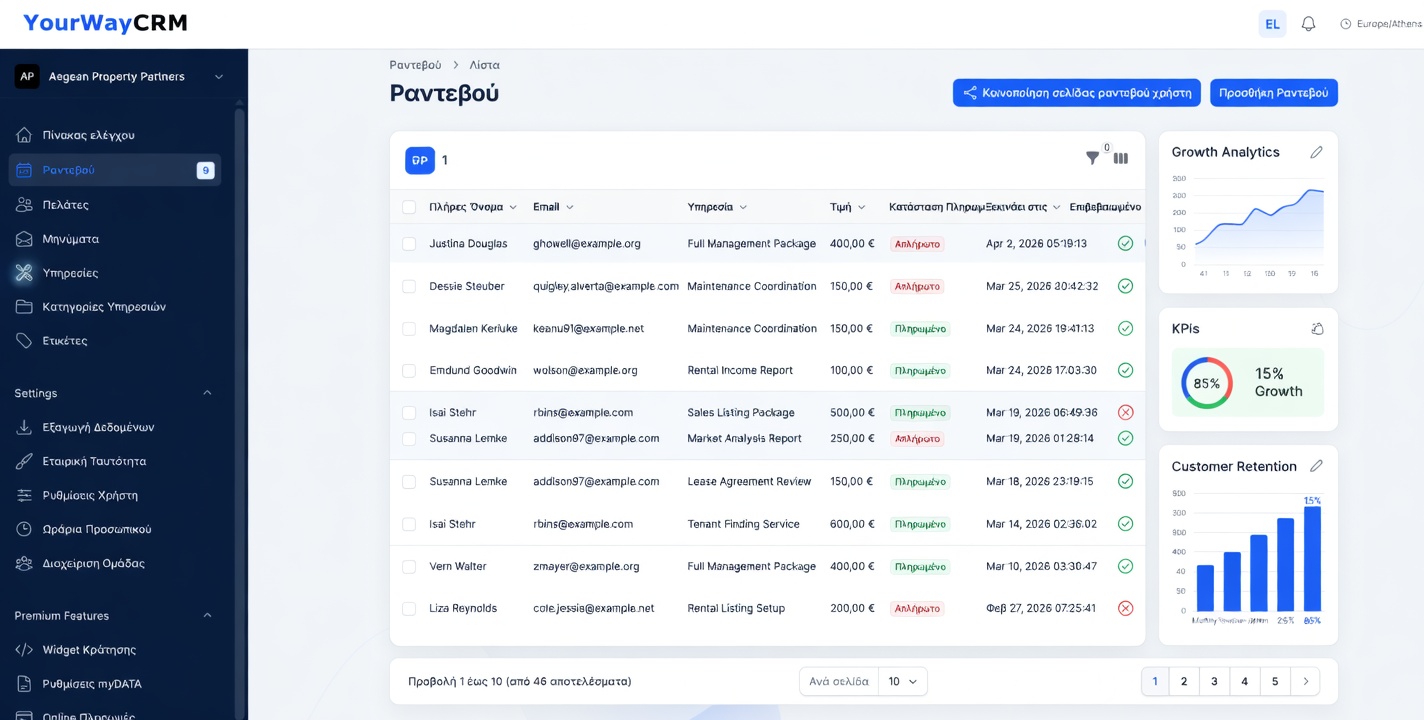
A robust CRM platform like YourWayCRM provides the reporting tools you need to analyze sales performance at a glance. Instead of spending hours compiling data, you can access customizable dashboards that show exactly what you need to know. This saves time and ensures your decisions are based on current, accurate information.
With CRM reporting, you can quickly identify which sales strategies are working and which aren't. If your conversion rate is lower than expected, you can investigate which stage of the pipeline is causing bottlenecks. If certain sales reps are outperforming others, you can analyze their approach and share best practices across your team.
Identifying Trends and Opportunities
Historical sales data reveals patterns that can inform future strategy. By analyzing trends over time, you can predict seasonal fluctuations, anticipate market changes, and capitalize on emerging opportunities. For example, if your data shows that certain product features drive higher conversion rates, you can emphasize those features in your marketing and sales pitch.
CRM reporting also helps you identify your most valuable customers and the characteristics they share. This allows you to create more targeted marketing campaigns and focus your sales efforts on prospects most likely to become high-value clients.
Optimizing Your Sales Process
Data-driven insights enable you to continuously improve your sales process. By tracking metrics at each stage of your pipeline, you can identify where deals stall and implement strategies to move them forward. Perhaps prospects are getting stuck during the proposal stage—in that case, you might invest in better proposal templates or sales training.
Regular reporting also helps you set realistic sales targets based on historical performance and market conditions. Rather than arbitrary goals, you can establish benchmarks grounded in actual data, making them more achievable and motivating for your team.
Forecasting Revenue with Confidence
One of the most valuable applications of CRM sales reporting is accurate revenue forecasting. By analyzing your pipeline and historical conversion rates, you can predict future revenue with much greater accuracy. This is crucial for financial planning, budgeting, and communicating with investors or lenders.
YourWayCRM's reporting features make it easy to generate forecasts based on your current pipeline and past performance. You can adjust forecasts as deals progress through your pipeline, giving you increasingly accurate predictions as you move closer to the end of your reporting period.
Taking Action on Your Data
The most important aspect of sales reporting isn't just collecting data—it's acting on it. Schedule regular review meetings with your sales team to discuss performance metrics and identify areas for improvement. Use your reports to celebrate wins, address challenges, and adjust your strategy as needed.
Create accountability by sharing relevant metrics with your sales team. When reps can see how their individual performance compares to team averages and targets, they're more motivated to improve. Recognition and constructive feedback based on real data are far more effective than vague performance discussions.
Conclusion
In the modern sales environment, data-driven decision-making is no longer optional—it's essential. By implementing a CRM system with robust reporting capabilities, you gain the visibility and insights needed to optimize your sales process, improve performance, and accelerate growth. Start tracking the metrics that matter most to your business, review them regularly, and let the data guide your strategy. Your bottom line will thank you.