How CRM Tracks Purchase History for Better Service
Understanding your customers' purchase history is one of the most valuable assets your business can have. When you know what your customers have bought, when they bought it, and how much they spent, you can deliver more personalized service and build stronger relationships. This is where Customer Relationship Management (CRM) systems shine. A modern CRM platform automatically tracks and organizes purchase history, giving you insights that transform how you serve your customers.
Why Purchase History Matters
Purchase history is more than just a record of transactions. It's a window into your customers' needs, preferences, and buying patterns. When your team has access to this information, they can anticipate customer needs, recommend relevant products, and provide proactive support. This level of personalization significantly improves customer satisfaction and loyalty.
Small business owners often struggle with keeping track of customer purchases across different channels. Without a centralized system, this information gets scattered across emails, spreadsheets, and individual team members' notes. A CRM system consolidates all this data in one place, making it instantly accessible to anyone who needs it.
How CRM Systems Track Purchase History
Modern CRM platforms like YourWayCRM automatically capture and organize purchase information from multiple sources. Here's how the process typically works:
- Automatic Data Integration: CRM systems integrate with your point-of-sale systems, e-commerce platforms, and accounting software to automatically pull in transaction data without manual entry.
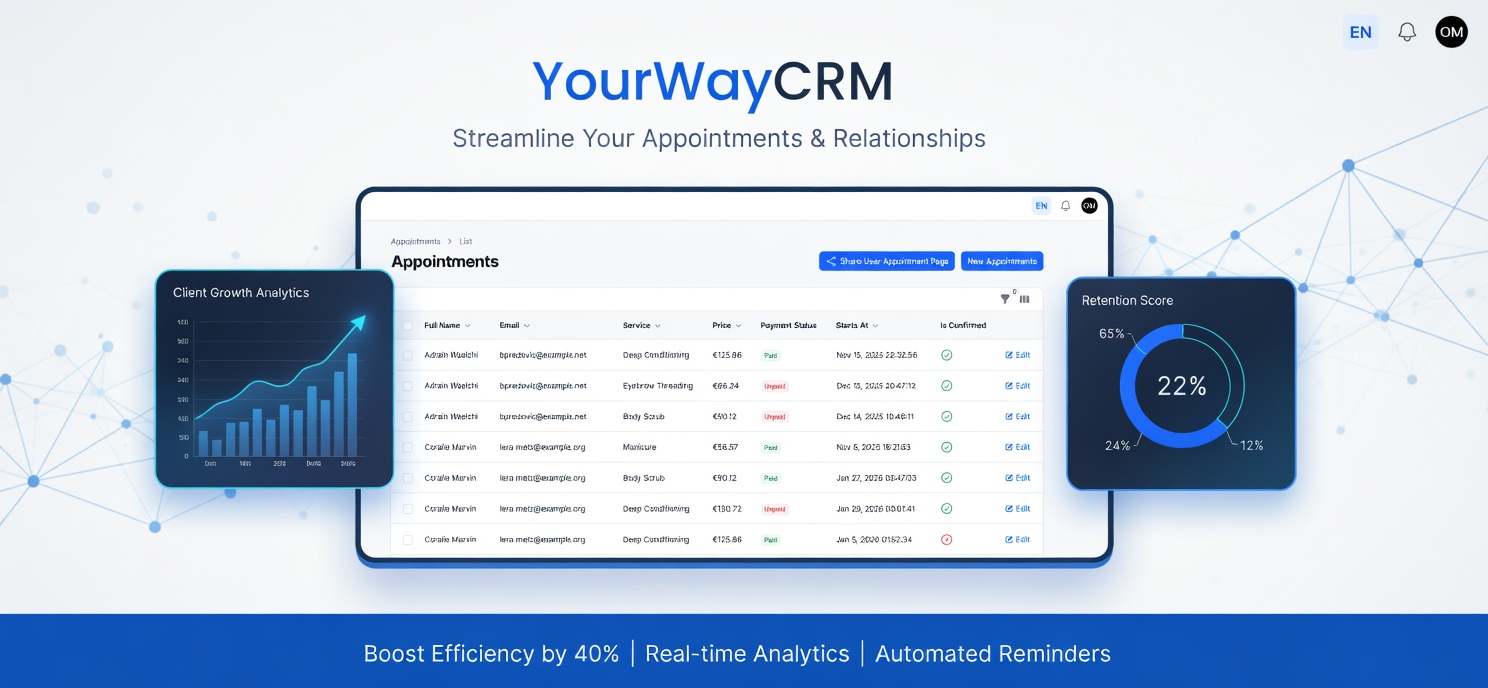
- Centralized Customer Profiles: Each customer gets a comprehensive profile that displays their complete purchase history, including dates, amounts, products, and order statuses.
- Timeline Views: Purchase history is organized chronologically, allowing team members to see the customer's journey at a glance.
- Detailed Transaction Records: Beyond just listing purchases, CRM systems store detailed information about each transaction, including payment methods, shipping addresses, and product specifications.
Key Benefits of Tracking Purchase History
Improved Customer Service
When your customer service team has access to complete purchase history, they can provide faster, more accurate support. A customer calling about a product issue can be helped immediately because your team already knows exactly what they purchased and when. This eliminates the frustration of having to explain their situation repeatedly.
Personalized Recommendations
Purchase history enables your sales team to make intelligent product recommendations. If a customer previously bought related items or products from a specific category, your team can suggest complementary products they're likely to need. This increases average order value and customer satisfaction simultaneously.
Identifying Loyal Customers
By analyzing purchase frequency and total spending, you can identify your most loyal customers. These VIP customers deserve special attention and exclusive offers. With purchase history tracked in your CRM, you can segment customers by loyalty level and create targeted retention strategies.
Predicting Churn Risk
Purchase history reveals patterns that indicate when a customer might be at risk of switching to a competitor. If a regular customer suddenly stops buying or significantly reduces their purchase frequency, your team can reach out proactively with special offers or check-ins to re-engage them.
Accurate Forecasting
Understanding historical purchase patterns helps you forecast future sales more accurately. You can identify seasonal trends, predict when customers are likely to reorder, and plan inventory accordingly. This data-driven approach reduces waste and ensures you have the right products available when customers need them.
Using Purchase History for Upselling and Cross-Selling
One of the most powerful applications of purchase history tracking is identifying upselling and cross-selling opportunities. When you know what a customer has purchased, you can strategically recommend higher-value products or complementary items at the right time.
For example, if a customer has purchased basic office supplies multiple times, they might be ready to invest in premium products or bulk ordering options. A customer who bought a product six months ago might be ready to repurchase or upgrade. With this information visible in your CRM, your sales team can initiate conversations at exactly the right moment.
Building Stronger Customer Relationships
Customers appreciate when businesses remember their preferences and purchase history. This personal touch builds trust and loyalty. When your team references previous purchases in conversations, it demonstrates that you value the customer relationship and pay attention to their needs.
YourWayCRM makes this easy by displaying purchase history prominently in customer profiles, ensuring your entire team has the context they need to build genuine relationships. Whether it's a follow-up email, a phone call, or an in-person conversation, your team can reference their purchase history naturally and meaningfully.
Making Data-Driven Decisions
Aggregated purchase history data reveals trends that inform business strategy. You can identify your best-selling products, understand which customer segments are most profitable, and determine which marketing channels drive the highest-value customers. This intelligence helps you allocate resources more effectively and focus on what works.
Conclusion
Tracking purchase history is no longer optional for businesses that want to compete effectively. By implementing a CRM system that automatically captures and organizes this data, you gain a significant advantage. Your team can provide better service, make smarter recommendations, and build stronger relationships with customers. The result is increased customer satisfaction, higher retention rates, and improved profitability. Start leveraging purchase history today to transform how you serve your customers.