CRM for Wholesale Distributors: B2B Relationship Management
Wholesale distribution is a complex business. You're managing multiple customer accounts, tracking inventory across different locations, handling bulk orders, and maintaining relationships with dozens or hundreds of business clients simultaneously. Without the right tools, this becomes overwhelming quickly.
A Customer Relationship Management (CRM) system designed for wholesale distributors can transform how you operate. It centralizes customer data, automates workflows, and gives you insights that help you serve your B2B clients better. Let's explore how CRM technology addresses the unique challenges wholesale distributors face.
The Unique Challenges of Wholesale Distribution
Wholesale distributors operate differently than retail businesses or service providers. Your sales cycles are longer, your customers expect personalized service, and you're often competing on thin margins. You need to track:
- Complex pricing structures and volume discounts
- Multiple contacts within each customer organization
- Order history and purchase patterns
- Inventory levels across warehouses
- Payment terms and credit limits
- Seasonal demand fluctuations
Managing all this information across spreadsheets, emails, and disconnected systems leads to mistakes, missed opportunities, and frustrated customers. A CRM system built for your industry solves these problems by creating a single source of truth for all customer interactions and business data.
How CRM Improves B2B Relationships
Centralized Customer Intelligence
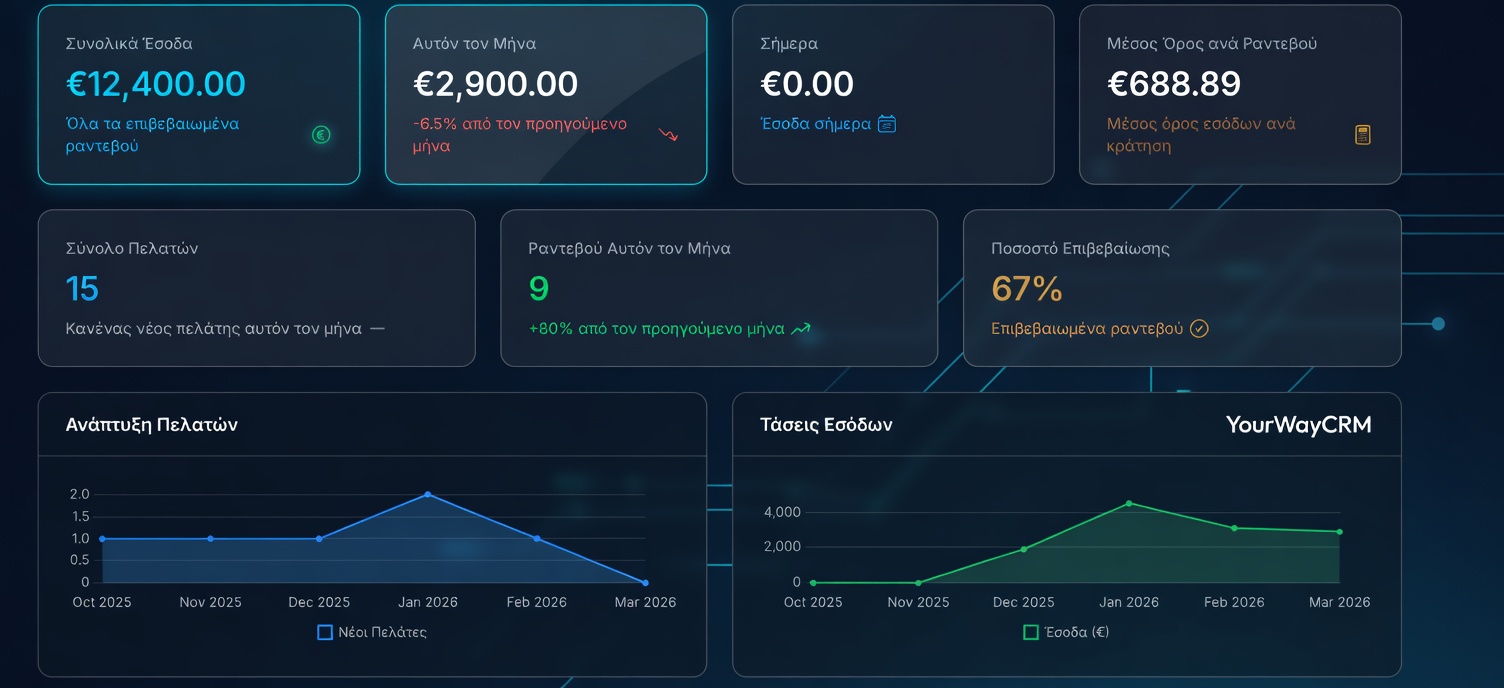
Your sales team needs complete visibility into each customer's history, preferences, and needs. A CRM system like YourWayCRM stores all customer information in one place—contact details, purchase history, communication logs, and notes from previous interactions. When a customer calls, your team immediately knows their order patterns, any issues they've had, and what products they typically buy. This context builds trust and enables faster, smarter service.
Streamlined Order Management
B2B customers expect efficient ordering and fulfillment. A CRM integrated with your inventory system lets customers place orders quickly, track shipments in real-time, and access order history. You can set up automated reorder points for loyal customers, apply appropriate discounts based on volume, and ensure accurate invoicing. This reduces manual data entry errors and speeds up the entire order-to-cash cycle.
Better Relationship Insights
Understanding your customer relationships goes beyond knowing what they bought last month. A CRM system tracks relationship health through metrics like purchase frequency, average order value, and communication patterns. You can identify which customers are at risk of churning, which ones are ready for upselling, and which relationships need more attention. This intelligence helps you allocate your sales and customer service resources more effectively.
Key Features for Wholesale Distribution
Account and Contact Management
B2B relationships involve multiple stakeholders. Your CRM should let you manage parent accounts with multiple locations or divisions, track different contacts at each account with their roles and responsibilities, and understand how various contacts influence purchasing decisions. This hierarchical view is essential for wholesale distributors managing complex organizational structures.
Pipeline and Forecast Management
Wholesale deals often move slowly but represent significant revenue. Your CRM should provide visibility into the sales pipeline, track deal progression through different stages, and generate accurate revenue forecasts. This helps you plan inventory, manage cash flow, and identify bottlenecks in your sales process.
Integration with Accounting and Inventory
Your CRM shouldn't exist in isolation. Integration with accounting software ensures accurate billing and financial reporting. Integration with inventory management systems prevents overselling, alerts you to stock issues, and helps you make smarter purchasing decisions based on customer demand patterns.
Reporting and Analytics
Data-driven decisions improve profitability. Your CRM should provide customizable reports on sales performance, customer profitability, product mix, and market trends. You should be able to analyze which customers generate the most margin, which products are trending, and where to focus your growth efforts.
Practical Implementation Tips
Implementing a CRM system for your wholesale distribution business doesn't have to be complicated. Start by:
- Defining your goals: Are you focused on improving customer retention, increasing order frequency, or streamlining operations? Your priorities shape your implementation approach.
- Cleaning your data: Before importing customer information, spend time cleaning and standardizing your data. Accurate information is crucial for CRM success.
- Training your team: Your CRM is only as good as your team's adoption. Invest in proper training and establish clear processes for how data should be entered and maintained.
- Starting with core processes: Don't try to automate everything at once. Start with your most critical processes—order management, customer communication, or pipeline tracking—and expand from there.
- Measuring success: Establish baseline metrics and track improvements. Monitor customer satisfaction, order accuracy, sales cycle length, and customer lifetime value.
The Bottom Line
Wholesale distribution is competitive, and margins are tight. You need every advantage to retain customers, increase order frequency, and operate efficiently. A CRM system designed for B2B wholesale distribution gives you that advantage by organizing customer data, automating workflows, and providing insights that drive better decisions.
YourWayCRM is built for small business owners like you, making it easy to manage complex B2B relationships without overwhelming complexity or expensive implementations. Whether you're looking to improve customer service, streamline your sales process, or gain better visibility into your business, the right CRM system pays for itself through improved efficiency and stronger customer relationships.
The question isn't whether you can afford a CRM—it's whether you can afford not to have one.