Why Customer Retention is More Profitable than Acquisition
As a small business owner, you're constantly juggling marketing budgets, growth strategies, and profitability goals. One of the most important—yet often overlooked—insights is this: retaining your existing customers is significantly more profitable than acquiring new ones. This isn't just good business sense; it's backed by solid data that should reshape how you allocate your resources.
The Numbers Don't Lie
Let's start with the facts. Research consistently shows that acquiring a new customer costs five to twenty-five times more than retaining an existing one. Meanwhile, improving customer retention rates by just 5% can increase profits by 25% to 95%. These aren't small percentages—they're game-changing numbers that directly impact your bottom line.
When you acquire a new customer, you're investing in marketing, sales efforts, onboarding, and relationship building. These costs add up quickly. But when you focus on retention, you're leveraging relationships that already exist, with customers who already understand your value and have already invested time in your product or service.
The Lifetime Value Advantage
One of the most compelling reasons retention beats acquisition is customer lifetime value (CLV). This metric represents the total revenue a customer will generate throughout their entire relationship with your business.
Consider this scenario: You spend $500 acquiring a customer who makes a single $1,000 purchase. That's a 2:1 return on investment. But if that same customer stays with you for three years, making regular purchases, referring others, and potentially upgrading to premium services, their lifetime value could reach $10,000 or more. Suddenly, that $500 acquisition cost looks like a bargain—but only if you keep them.
This is where retention strategies become critical. Every month you keep a customer engaged and satisfied, you're multiplying your return on that initial acquisition investment.
Loyal Customers Spend More
Here's another powerful insight: loyal customers spend more money than new customers. They're more likely to:
- Make repeat purchases at higher frequency
- Buy premium products or services
- Accept price increases more readily
- Require less sales effort and support
- Refer friends and family to your business
Existing customers already trust you. They've experienced your service quality firsthand. When you introduce them to new offerings or suggest upgrades, they're far more receptive than someone who's never done business with you before.
The Word-of-Mouth Multiplier
Retained customers become your best marketers. Satisfied, long-term customers naturally refer their friends, family, and colleagues to your business. This word-of-mouth marketing is incredibly cost-effective and carries more credibility than any paid advertisement.
In fact, referred customers often have higher retention rates themselves and lower acquisition costs. It's a virtuous cycle: retain customers, they refer others, those referrals convert more easily and stick around longer. This compounding effect is one of the most underrated growth engines for small businesses.
Lower Operational Costs
There's also the operational side to consider. Existing customers require less hand-holding during the sales process. They're familiar with your systems, your team, and your processes. This means lower support costs, faster transactions, and more efficient operations overall.
New customers, on the other hand, need extensive onboarding, training, and support. They have more questions, require more attention, and are more likely to churn if their early experience isn't perfect.
Practical Retention Strategies for Small Businesses
So how do you actually retain more customers? Here are actionable strategies you can implement today:
1. Prioritize Customer Service Excellence
Exceptional service is the foundation of retention. Respond quickly to inquiries, solve problems proactively, and make customers feel valued. Small businesses often have an advantage here—you can provide personalized, attentive service that larger competitors can't match.
2. Implement a CRM System
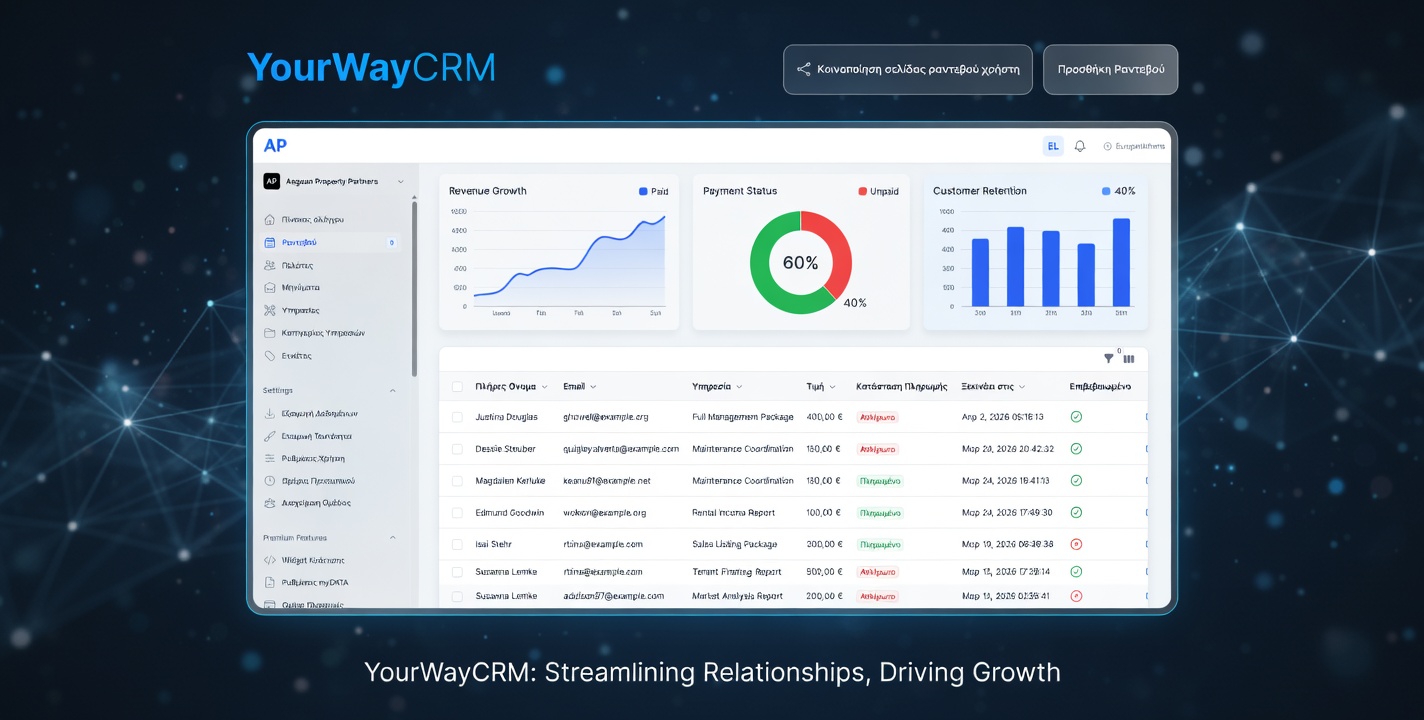
A customer relationship management platform like YourWayCRM helps you track customer interactions, preferences, and purchase history. This data allows you to personalize communication, anticipate needs, and demonstrate that you truly understand each customer. When customers feel known and valued, they stay loyal.
3. Create a Loyalty Program
Reward repeat customers with exclusive discounts, early access to new products, or special perks. A simple loyalty program acknowledges customer loyalty and gives them a tangible reason to keep coming back.
4. Stay in Regular Contact
Don't go silent after the sale. Send regular updates, helpful tips, or personalized recommendations. Email newsletters, check-ins, and exclusive content keep your business top-of-mind without being pushy.
5. Ask for Feedback
Show customers you care about their experience by regularly asking for feedback. Act on their suggestions, and let them know you've made improvements based on their input. This builds stronger relationships and gives customers a voice in your business.
6. Anticipate Customer Needs
Use your CRM data to predict when customers might need your services again or be interested in related products. Proactive outreach based on their usage patterns shows you're paying attention and genuinely invested in their success.
The Bottom Line
For small business owners working with limited budgets, the math is clear: investing in customer retention delivers better returns than chasing new acquisition. Every dollar spent retaining an existing customer generates more revenue than the same dollar spent acquiring someone new.
This doesn't mean you should ignore acquisition entirely. You still need to bring in new customers to grow. But the balance should tip heavily toward retention. Focus on delivering exceptional value, building genuine relationships, and using tools like CRM systems to stay organized and responsive. When you do, your existing customers will become the engine of your business growth—and your profitability will follow.