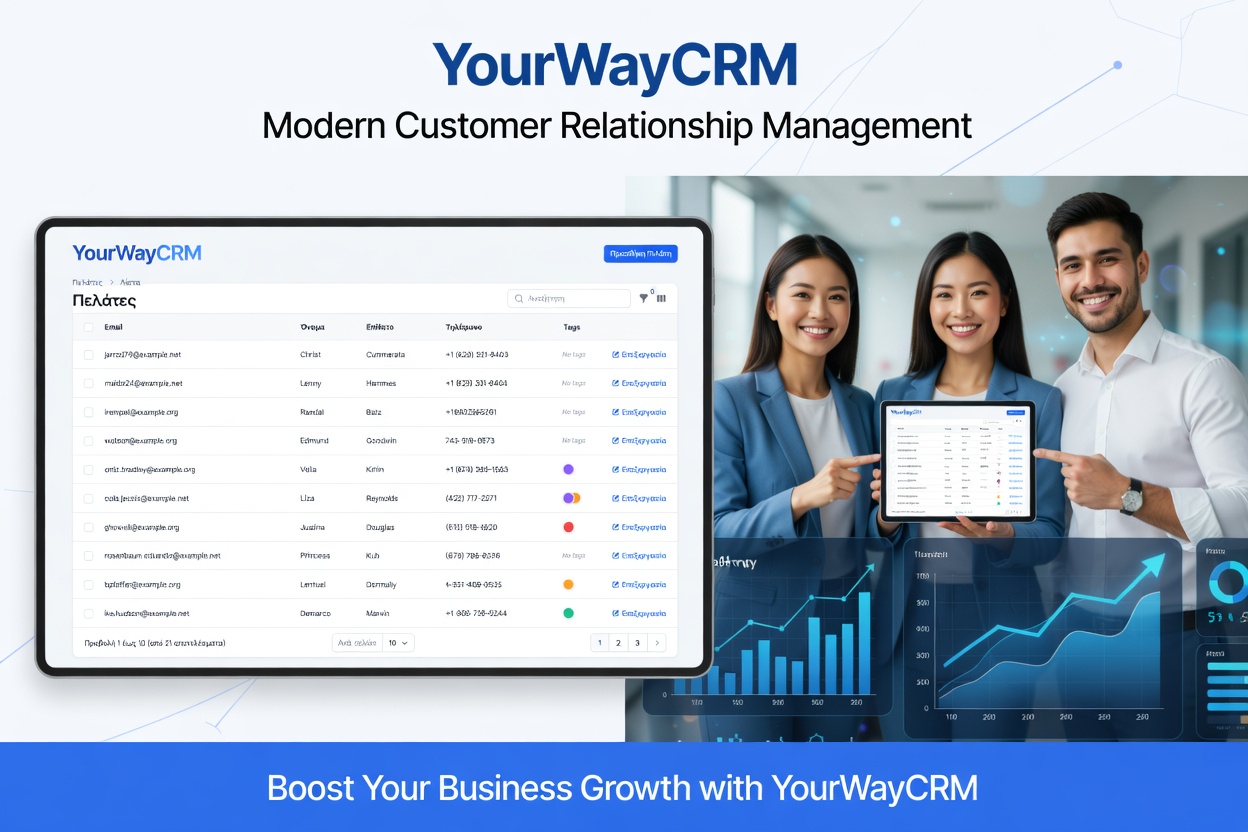
How CRM Tracks Customer Lifetime Value
Customer Lifetime Value (CLV) is one of the most important metrics for small business success, yet many entrepreneurs still don't fully understand how to measure it. If you're struggling to identify which customers drive the most profit or where to focus your marketing efforts, understanding how CRM systems track CLV can transform your business strategy.
In this guide, we'll explore what customer lifetime value is, why it matters for your business, and how modern CRM platforms help you track and optimize it effectively.
What Is Customer Lifetime Value?
Customer Lifetime Value represents the total revenue a customer generates for your business throughout your entire relationship with them. It's not just about a single purchase—it's the complete picture of their value over months or years.
For example, if a customer makes an initial purchase of $100, then returns three times over two years for additional purchases totaling $250, their CLV would be $350. This metric helps you understand which customers are worth investing in and which relationships might need nurturing.
Why CLV Matters for Small Businesses
Understanding CLV changes how you approach customer relationships and marketing spending. Here's why it's critical:
- Better Budget Allocation: You'll know exactly how much you can spend to acquire and retain high-value customers
- Improved Profitability: Focus resources on customers who generate the most revenue
- Strategic Planning: Make informed decisions about product development and service expansion
- Competitive Advantage: Identify and nurture your most loyal customers before competitors do
How CRM Systems Track Customer Lifetime Value
Data Collection and Consolidation
A CRM system like YourWayCRM serves as the central hub for all customer information. It automatically collects and consolidates data from multiple touchpoints—sales transactions, support interactions, email communications, and website behavior. This comprehensive data foundation is essential for accurate CLV calculations.
Rather than manually tracking purchases across spreadsheets, your CRM centralizes everything, ensuring no customer interaction goes unrecorded.
Purchase History Analysis
CRM platforms analyze a customer's complete purchase history to calculate their total spending. The system tracks:
- Initial purchase date and amount
- Frequency of repeat purchases
- Average order value over time
- Product or service categories purchased
- Seasonal or cyclical buying patterns
By examining these patterns, your CRM identifies trends and predicts future purchasing behavior with greater accuracy.
Revenue Attribution
Modern CRM systems attribute revenue correctly across the customer journey. They track which marketing channels, sales representatives, or campaigns influenced each purchase. This helps you understand the true cost of acquiring and retaining each customer segment.
Engagement and Retention Metrics
CLV isn't just about past purchases—it's also about predicting future value. CRM systems monitor engagement indicators such as:
- Email open rates and click-through rates
- Website visits and browsing behavior
- Support ticket frequency and satisfaction scores
- Time since last purchase
- Product usage and adoption rates
These metrics help identify at-risk customers who may be losing interest and high-potential customers ready for upselling or cross-selling.
Calculating CLV: The Formula
While CRM systems automate the process, understanding the basic formula helps you interpret the results:
CLV = (Average Purchase Value) × (Purchase Frequency) × (Customer Lifespan)
For instance, if a customer spends $50 per purchase, buys four times per year, and remains a customer for five years, their CLV would be $50 × 4 × 5 = $1,000.
Your CRM calculates this automatically for each customer, then segments them into value tiers—high-value, medium-value, and low-value customers.
Segmentation and Personalization
Once your CRM tracks CLV, it becomes a powerful tool for segmentation. You can create targeted campaigns based on customer value:
- VIP Treatment: Offer premium support and exclusive benefits to high-CLV customers
- Nurture Programs: Develop engagement strategies for medium-value customers with growth potential
- Re-engagement Campaigns: Win back low-value or inactive customers with special offers
YourWayCRM enables you to automate these segmentation strategies, ensuring every customer receives the right level of attention based on their value to your business.
Maximizing Customer Lifetime Value
Tracking CLV is only the first step. Here's how to use these insights to grow your business:
- Improve Customer Service: Invest in exceptional support for high-value customers to increase retention
- Upsell and Cross-sell Strategically: Use CLV data to identify which customers are most likely to purchase additional products
- Reduce Churn: Monitor engagement metrics to catch at-risk customers before they leave
- Optimize Acquisition Costs: Know your average CLV to determine how much you can spend on customer acquisition
Conclusion
Customer Lifetime Value is the compass that guides smart business decisions. By using a CRM system to track, calculate, and act on CLV data, you'll understand which customers deserve your attention, where to invest your marketing budget, and how to build a sustainable, profitable business.
The days of treating all customers equally are over. Modern small business owners use CRM technology to recognize their most valuable relationships and nurture them accordingly. Start tracking your customer lifetime value today, and watch your profitability grow.