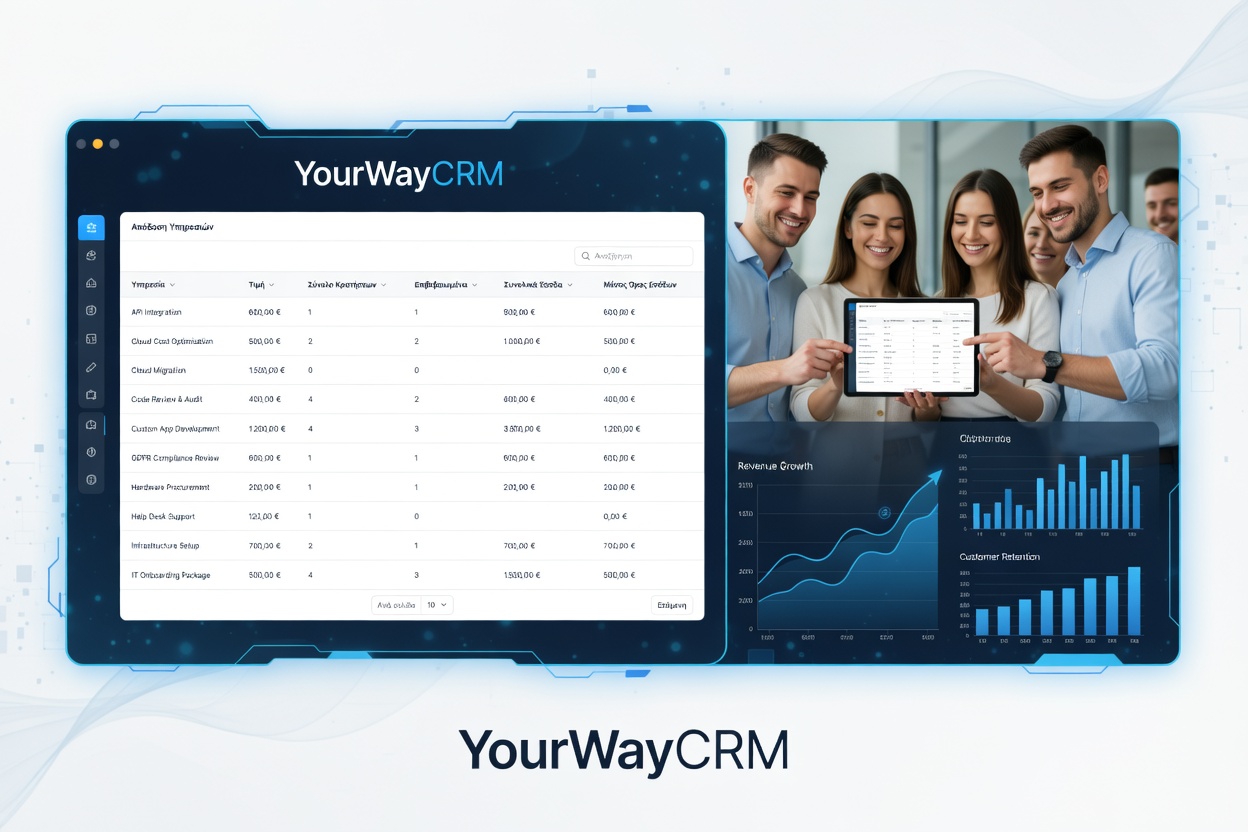
How CRM Tracks Marketing Attribution
Understanding which marketing efforts actually convert customers is one of the biggest challenges for small business owners. You might run multiple campaigns across different channels, but how do you know which one deserves the credit? This is where marketing attribution comes in. A robust CRM system like YourWayCRM helps you track and measure exactly how each marketing touchpoint contributes to a sale, giving you the insights needed to optimize your spending and improve ROI.
What is Marketing Attribution?
Marketing attribution is the process of assigning credit to different marketing channels and campaigns for driving conversions. Instead of guessing which efforts work best, attribution tracking provides data-driven answers. It shows you the customer journey from first interaction to final purchase, revealing which touchpoints matter most.
For small businesses with limited budgets, this matters tremendously. Every dollar spent on marketing needs to deliver measurable results. Without attribution tracking, you're essentially flying blind, unable to determine whether your social media ads, email campaigns, or content marketing efforts are actually generating revenue.
How CRM Systems Track Attribution
Recording Every Customer Interaction
The foundation of attribution tracking is capturing every interaction a customer has with your business. A CRM system automatically logs when someone visits your website, clicks an email, downloads a resource, or engages with your social media. This creates a complete activity timeline for each prospect and customer.
YourWayCRM centralizes all these touchpoints in one place, making it easy to see the full customer journey without piecing together data from multiple sources. When a lead comes in, you can instantly see how they found you and what content or campaigns influenced their decision.
Tracking Campaign Sources and Channels
Modern CRMs assign unique identifiers or UTM parameters to track which specific campaign or channel brought in each lead. Whether someone arrives through Google Ads, Facebook, an email campaign, or organic search, the CRM records the source. This allows you to compare performance across all your marketing channels in one dashboard.
For example, you might discover that while Google Ads costs more per click, email campaigns actually generate higher-quality leads that convert at better rates. This insight would be invisible without proper attribution tracking.
Mapping the Customer Journey
Attribution goes beyond the first click. Modern CRMs track the entire customer journey, including:
- Initial discovery channel (how they first heard about you)
- Engagement touchpoints (emails opened, content downloaded, pages visited)
- Conversion events (demo requested, purchase made, trial started)
- Post-sale interactions (support tickets, upsells, renewals)
This comprehensive view reveals which combination of touchpoints typically leads to conversion. You might find that customers who receive both a welcome email and a product demo are 3x more likely to buy than those who only see an ad.
Attribution Models Explained
CRM systems use different attribution models to assign credit. The most common include:
First-Touch Attribution
This model gives all credit to the first marketing channel that brought in the lead. It's useful for understanding which channels are best at awareness and lead generation. However, it ignores the role other touchpoints played in closing the deal.
Last-Touch Attribution
The opposite approach—this gives all credit to the final touchpoint before conversion. It's helpful for understanding which channels drive immediate action, but it undervalues early-stage awareness efforts.
Multi-Touch Attribution
This more sophisticated model distributes credit across multiple touchpoints in the customer journey. You might allocate 40% to the initial discovery channel, 30% to an email campaign, and 30% to a final retargeting ad. This provides a more realistic picture of how different marketing efforts work together.
YourWayCRM supports flexible attribution models so you can choose the approach that best matches your business model and sales cycle.
Why Attribution Tracking Matters for Small Businesses
Optimize Marketing Spend
When you know which campaigns drive revenue, you can confidently invest more in what works and cut what doesn't. This is critical for small businesses operating with limited budgets. Attribution data turns marketing from an expense into an investment you can measure and justify.
Improve Sales and Marketing Alignment
Attribution tracking creates transparency between your sales and marketing teams. Sales can see which leads came from which campaigns, while marketing can track how many leads actually convert. This shared understanding eliminates finger-pointing and builds collaboration.
Refine Your Messaging
Attribution data shows you not just which channels work, but which messages resonate. If one email subject line consistently drives opens and conversions while another underperforms, you have clear guidance for improving future campaigns.
Predict Future Results
With historical attribution data, you can forecast revenue based on your marketing activities. This helps with budgeting and goal-setting, giving you confidence in your growth projections.
Getting Started with Attribution Tracking
To implement attribution tracking effectively, start by ensuring your CRM captures all customer interactions. Set up proper tracking parameters on your website and marketing campaigns. Define your attribution model based on your sales cycle—longer cycles might benefit from multi-touch attribution, while quick-decision businesses might use last-touch.
Most importantly, regularly review your attribution data and act on insights. Look for patterns in successful customer journeys and replicate them. Identify underperforming channels and either improve them or reallocate budget elsewhere.
Conclusion
Marketing attribution transforms customer relationship management from a record-keeping tool into a strategic asset. By tracking how each marketing effort contributes to revenue, you gain the clarity needed to make smarter decisions about where to invest your resources. For small business owners juggling multiple responsibilities and limited budgets, this data-driven approach is essential for sustainable growth and competitive advantage.