How Personalization Drives Customer Loyalty
In today's competitive business landscape, customer loyalty is more valuable than ever. Yet many small business owners struggle to build lasting relationships with their customers. The secret? Personalization. When customers feel understood and valued as individuals, they're far more likely to remain loyal to your brand.
Personalization goes beyond simply using a customer's name in an email. It's about tailoring every interaction—from product recommendations to customer service—to match individual preferences and behaviors. This approach transforms casual buyers into devoted brand advocates who return again and again.
Why Personalization Matters for Customer Loyalty
Research consistently shows that customers prefer businesses that understand their needs. In fact, studies indicate that 80% of consumers are more likely to do business with a company that offers personalized experiences. For small business owners, this represents a tremendous opportunity.
When you personalize your customer interactions, you demonstrate that you care about their individual needs rather than treating them as faceless transactions. This emotional connection is the foundation of true loyalty. Customers who feel personally valued are less likely to switch to competitors, even if those competitors offer slightly lower prices.
The Key Benefits of Personalized Experiences
- Increased Customer Retention: Personalized customers have higher lifetime value and stay with your business longer
- Higher Purchase Frequency: When customers receive relevant recommendations, they buy more often
- Improved Customer Satisfaction: Personalization reduces friction and creates smoother, more enjoyable experiences
- Enhanced Word-of-Mouth: Satisfied customers naturally recommend your business to friends and family
- Competitive Advantage: Small businesses can compete with larger corporations by offering superior personalized service
Practical Personalization Strategies for Small Businesses
Collect and Organize Customer Data
The foundation of personalization is understanding your customers. Start by collecting relevant data about their preferences, purchase history, and behavior patterns. This might include:
- Purchase history and frequency
- Product preferences and interests
- Communication preferences
- Customer lifecycle stage
- Geographic location
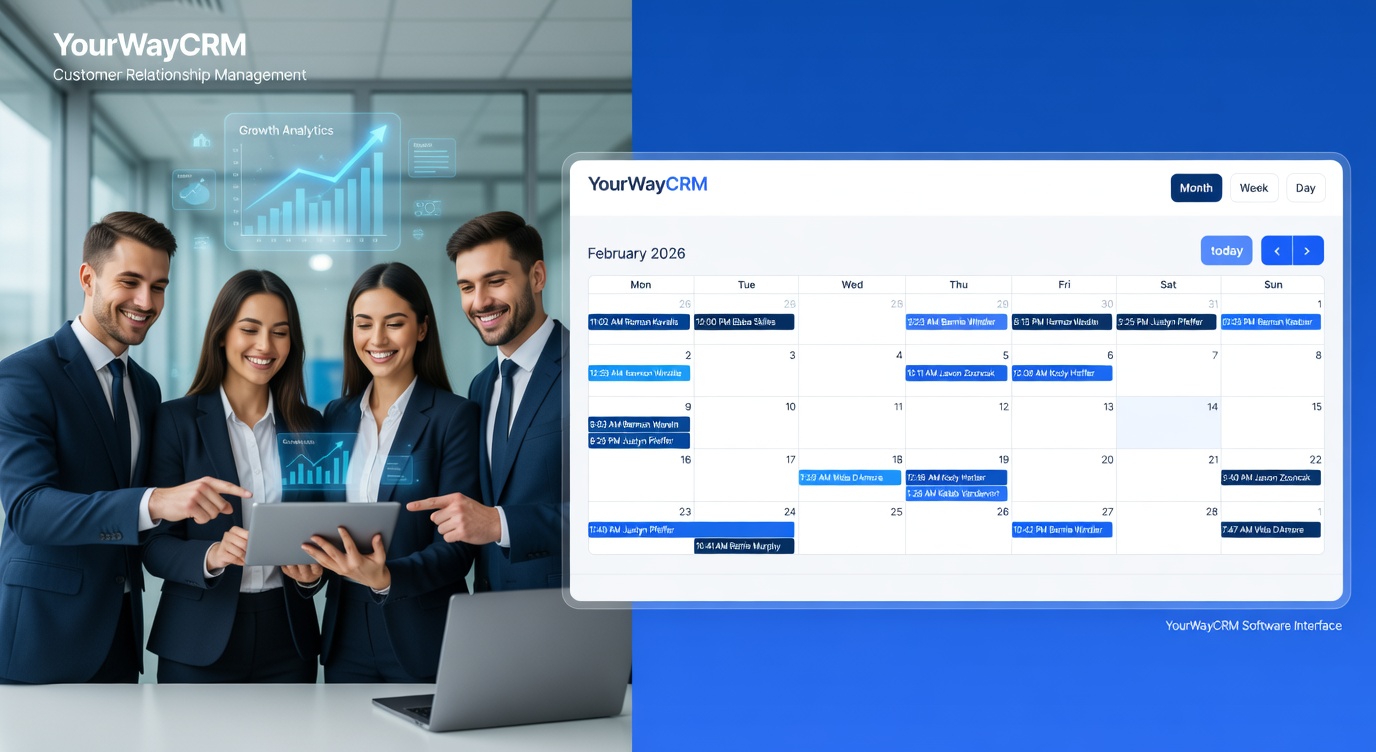
Tools like YourWayCRM make it easy to centralize this information, ensuring your entire team has access to complete customer profiles.
Segment Your Customer Base
Not all customers are the same. Group your customers into segments based on shared characteristics or behaviors. For example, you might segment by purchase frequency, product category interest, or customer lifetime value. This allows you to tailor your messaging and offers to each group's specific needs.
Tailor Your Communications
Use customer data to personalize your emails, messages, and offers. Rather than sending generic promotions to everyone, send targeted messages based on what you know about each customer. Reference their past purchases, suggest complementary products, or offer exclusive deals on items they've shown interest in.
Customize Product Recommendations
When customers visit your store or website, recommend products based on their browsing history and past purchases. These personalized recommendations feel helpful rather than pushy, and they increase the likelihood of additional sales.
Provide Exceptional Personalized Service
Train your team to recognize returning customers and reference their preferences. If a customer always orders a specific modification, remember it. If they prefer email communication over phone calls, respect that preference. These small touches demonstrate genuine care and build strong relationships.
Using Technology to Scale Personalization
As your business grows, manually personalizing every interaction becomes challenging. This is where customer relationship management tools become invaluable. A CRM system like YourWayCRM helps you:
- Maintain detailed customer profiles with interaction history
- Automate personalized email campaigns based on customer behavior
- Track customer preferences and purchase patterns
- Segment customers for targeted marketing
- Ensure consistent personalization across your entire team
By implementing a CRM, you can deliver personalized experiences at scale without overwhelming your team.
Measuring the Impact of Personalization
To know if your personalization efforts are working, track relevant metrics:
- Customer Retention Rate: Are customers staying longer?
- Repeat Purchase Rate: Are they buying more frequently?
- Average Order Value: Are personalized recommendations increasing transaction size?
- Customer Satisfaction Scores: Are customers happier?
- Net Promoter Score: Would customers recommend you to others?
Monitor these metrics regularly to assess your personalization strategy's effectiveness and identify areas for improvement.
Start Small and Build Your Personalization Program
You don't need a massive budget or complex systems to begin personalizing. Start with simple steps: learn your customers' names, remember their preferences, and tailor your communications. As you grow, invest in tools and processes that allow you to scale personalization across your business.
The businesses that prioritize personalization today will be the ones building the strongest customer relationships tomorrow. By showing your customers that you understand and value them as individuals, you create loyalty that transcends price and competition.
Ready to transform your customer relationships? Begin by implementing one personalization strategy this week. Your customers—and your bottom line—will thank you.